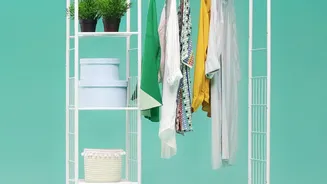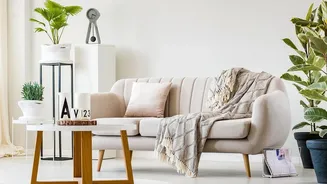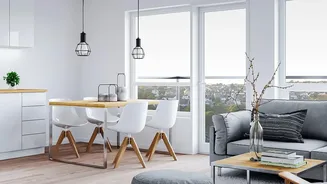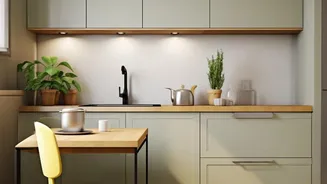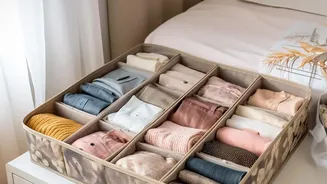

Start with a Ruthless Declutter
Before any design magic can happen, the first step is always to curate your belongings. This isn't just about tidying up; it's about making intentional choices about what earns its place in your home. A cluttered space, no matter the size, will always feel
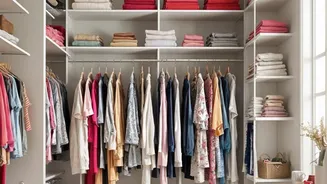
cramped and dysfunctional. Go through your home room by room and assess every object. A good rule is to part with anything that is not beautiful, useful, or deeply sentimental. This process frees up not just physical space but also visual space, making the entire home feel lighter and more manageable. Be prepared to be ruthless—donate, sell, or discard items you no longer need. Regular decluttering is a key habit for small-space living.
Rethink Your Room’s Layout
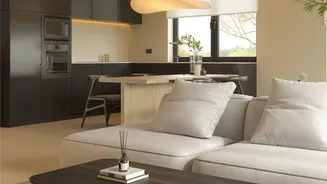
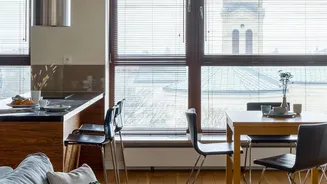
How your existing furniture is arranged can drastically alter the perception of space. Instead of pushing everything against the walls, which can sometimes make a room feel static, experiment with different configurations. Try moving furniture away from the walls to create a more open feeling. Pay attention to traffic flow; you should be able to walk through a room without navigating an obstacle course. Also, consider creating distinct zones for different activities. Even in a small studio, you can use a rug to define a living area or orient a desk to create a dedicated workspace. Pushing furniture into corners can also help make a space feel more open.
Harness the Power of Light and Color
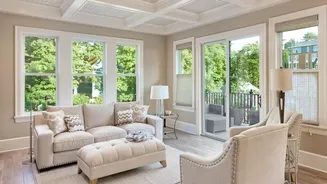
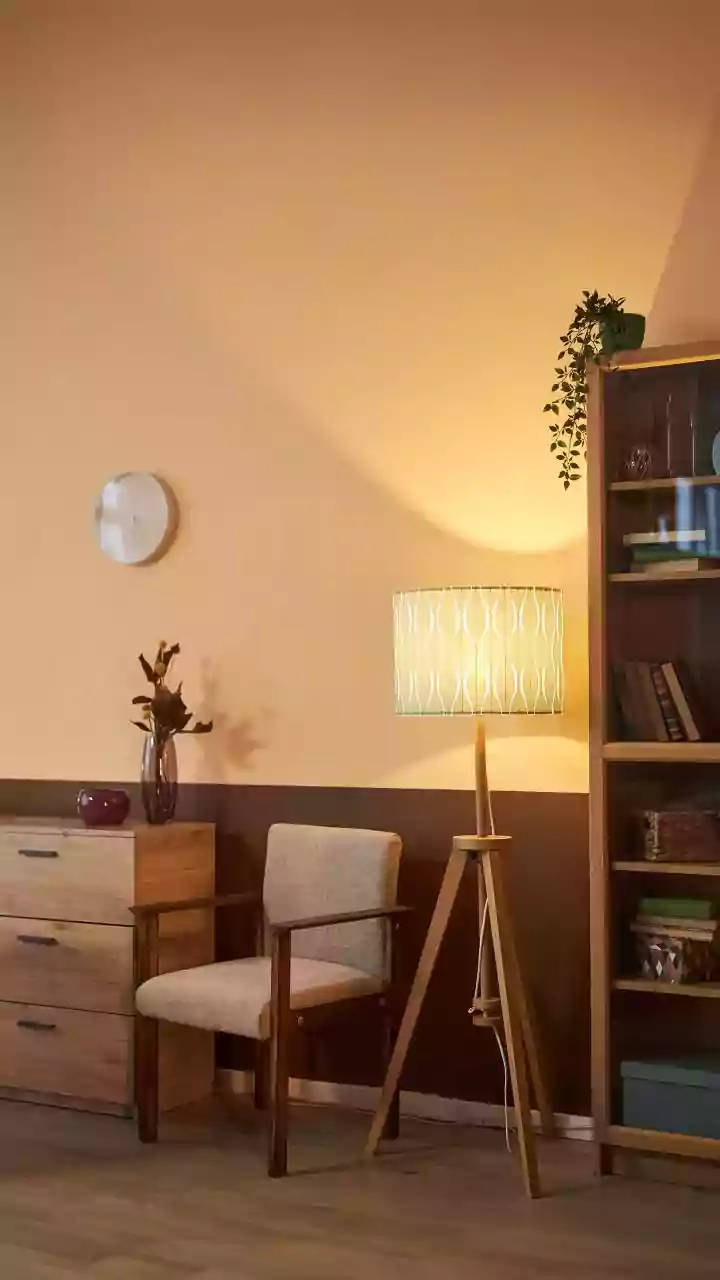
Never underestimate the impact of light and color on a small space. Light colors are your best friend, as they reflect light and create an airy, expansive atmosphere. This doesn't mean your entire home must be sterile white; soft pastels, light greys, and warm neutrals work wonders. Maximize natural light by keeping window treatments minimal. If you have dark furniture, you can lighten the mood with light-colored throws and cushions. Layering your lighting with a mix of overhead, task, and ambient lights can also eliminate dark corners that make a room feel smaller.
Use Mirrors to Create an Illusion of Depth
It’s a classic trick for a reason: mirrors are masters of illusion. A large mirror can visually double the size of a room. For maximum effect, place a mirror opposite a window to bounce natural light around the space, making it feel brighter and larger. Even a collection of smaller mirrors can create a stylish feature wall that opens up the room. You can place them in entryways, living rooms, or bedrooms to add depth and reflect light into darker areas.
Go Vertical with Your Existing Items
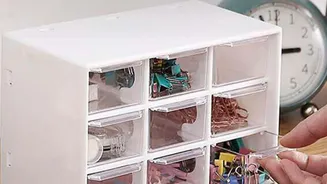
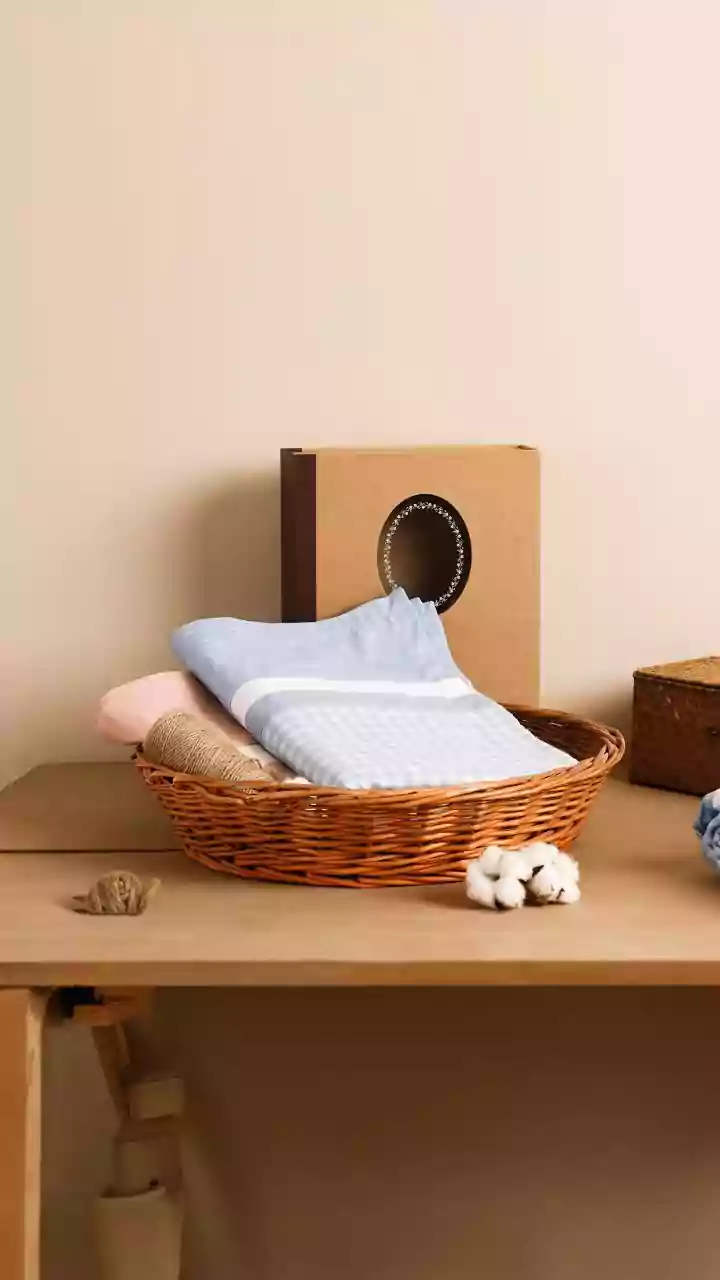
When floor space is at a premium, the only way to go is up. Look at your walls as an opportunity for storage and display. While the headline avoids adding furniture, this principle can apply to what you already own. Can a low bookcase be turned on its side to become a tall, narrow shelf? Can you use hooks to hang items like kitchen utensils, freeing up precious counter space? Think about stacking decorative boxes that you already own to create a storage tower. Look for ways to get items off the floor; this simple act can make a room feel instantly less crowded.
Make Everything Work Harder
In a small home, single-use items are a luxury. Re-evaluate what you have and see if it can serve a dual purpose. A sturdy chest can double as a coffee table and a storage unit. A dining chair can be pulled into the living room as extra seating for guests. A small stool can be a side table, a plant stand, or a spot to sit. Even a stack of large, beautiful books you already own can become a makeshift end table. The goal is to maximize the functionality of every single item in your home.