



The crisp autumn air doesn't have to signal the end of your outdoor workout season. With a few smart adjustments, you can continue your bodyweight training routine safely and effectively, even as the ground gets colder. Here's how to adapt.
Extend and Energise Your Warm-Up
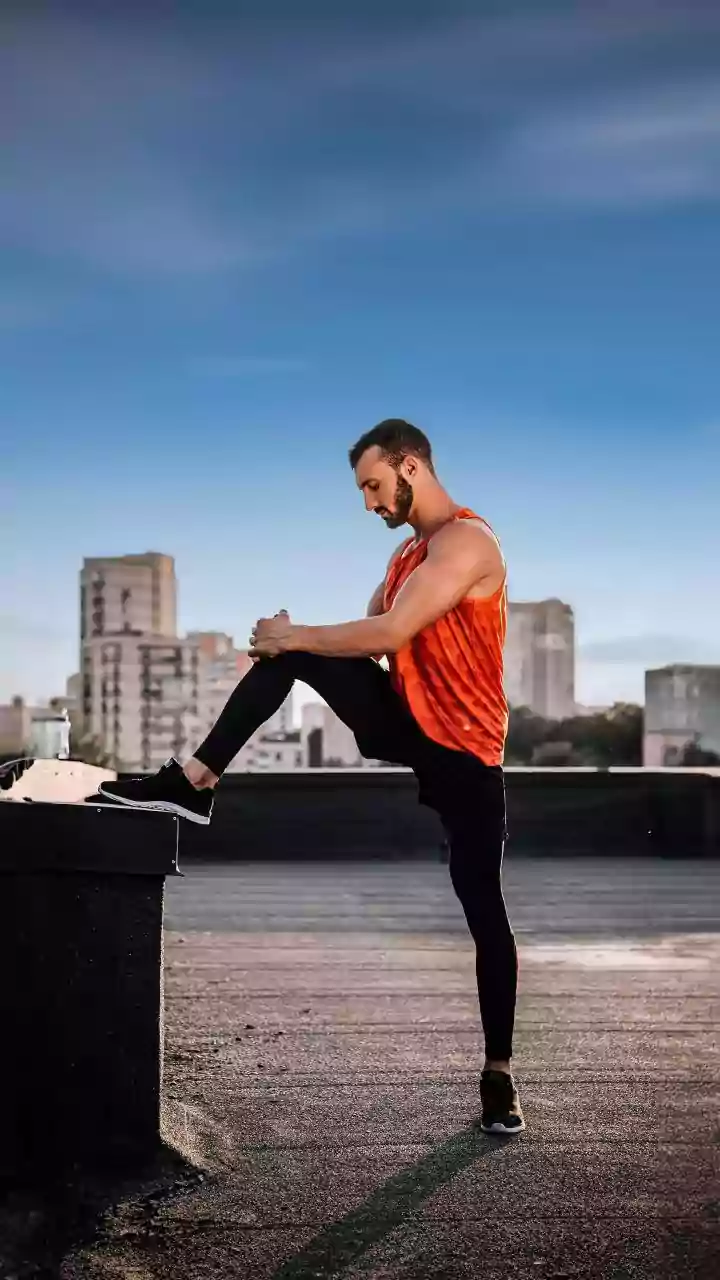
When temperatures
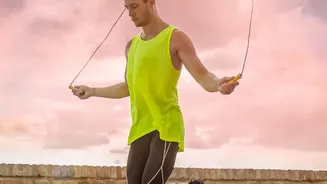
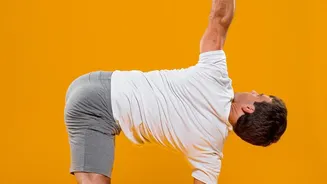
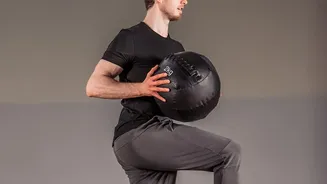
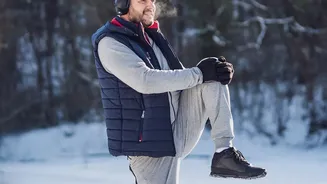
drop, your muscles and joints become stiffer and less elastic, increasing the risk of injury. Your warm-up is no longer optional; it's essential, and it needs to be longer. Experts recommend doubling your usual warm-up time in the cold. Before you start, consider passive warm-ups like taking a hot shower or wearing layers you can shed. Then, focus on dynamic movements instead of static stretching. Exercises like high knees, butt kicks, walking lunges, arm circles, and leg swings increase blood flow and raise your core body temperature, preparing your muscles and joints for the work ahead. A few minutes of light cardio, like jogging on the spot, will also help get your heart rate up and your body ready.
Protect Your Contact Points
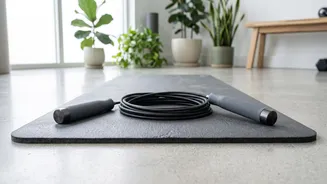
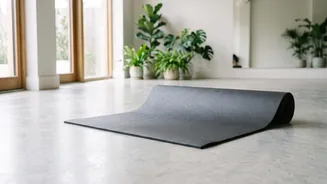
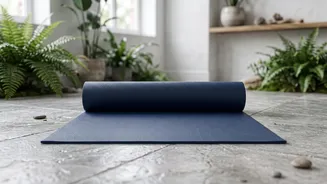
The primary challenge of cold-surface training is direct contact. Cold concrete, metal, or frozen ground can rapidly draw heat from your body and even pose a risk of frostbite from contact cooling. Protecting your hands, knees, and feet is paramount. A thick exercise or yoga mat is your best friend, creating a crucial barrier between you and the ground for exercises like planks, push-ups, and sit-ups. For your hands, which are especially vulnerable, insulated gloves are a must. Look for pairs that are snug but not tight, as overly tight gloves can restrict circulation. If you get sweaty, having a spare dry pair is a good idea. For your feet, choose thermal or wool socks that wick moisture away, and ensure your shoes have good traction to prevent slips on potentially icy surfaces.
Modify Moves to Minimise Ground Contact
If a mat isn't practical, or even with one, adapting your exercises can reduce exposure to the cold. Instead of a standard push-up, consider incline push-ups using a park bench, ledge, or wall. The higher the surface, the less intense the exercise, allowing you to adjust the difficulty. This keeps your hands off the frigid ground entirely. For planks, the same principle applies. You can perform an incline plank against a sturdy object. For core work, focus on standing exercises like torso twists and standing bicycle crunches. Instead of burpees that require you to touch your chest to the ground, perform a modified version where you jump back into a plank without lowering your body completely. The goal is to get the benefits of the movement while limiting prolonged contact with cold surfaces.
Know When to Stop
Exercising in the cold places extra stress on your body, so it's vital to listen to its signals. Be aware of the signs of cold_related conditions like frostbite and hypothermia. Early warning signs of frostbite include numbness, a stinging sensation, or skin that looks pale or waxy. It commonly affects extremities like fingers, toes, ears, and the nose. Hypothermia is a more serious condition where your body loses heat faster than it can produce it, leading to symptoms like intense shivering, fatigue, slurred speech, and loss of coordination. If you experience any of these symptoms, you must stop your workout, get indoors, and warm up slowly. Always check the weather forecast, including the wind chill, before heading out. If conditions are extreme, it is always safer to opt for an indoor workout.