



Feeling out of breath after just one lap? The secret to smoother, more efficient swimming isn't just about your stroke; it's about your breath. Mastering controlled exhalation is a game-changer for endurance, speed, and overall comfort in the water.
Why Controlled Exhalation Is Key
Many
swimmers, especially beginners, make the mistake of holding their breath underwater. This feels instinctive, but it's counterproductive. When you hold your breath, carbon dioxide (CO2) builds up in your lungs and blood. This buildup triggers the urgent, sometimes panicky, feeling that you need to gasp for air. By not exhaling, you leave your lungs full of 'stale' air, making it impossible to take a full, relaxed breath when you turn your head. A continuous and controlled exhalation solves this problem. It ensures you are constantly getting rid of CO2, which allows for a calm, efficient inhalation. This rhythmic exchange keeps your body relaxed, improves buoyancy, and helps you maintain a streamlined position in the water, reducing drag.
The Golden Rule: Always Be Exhaling
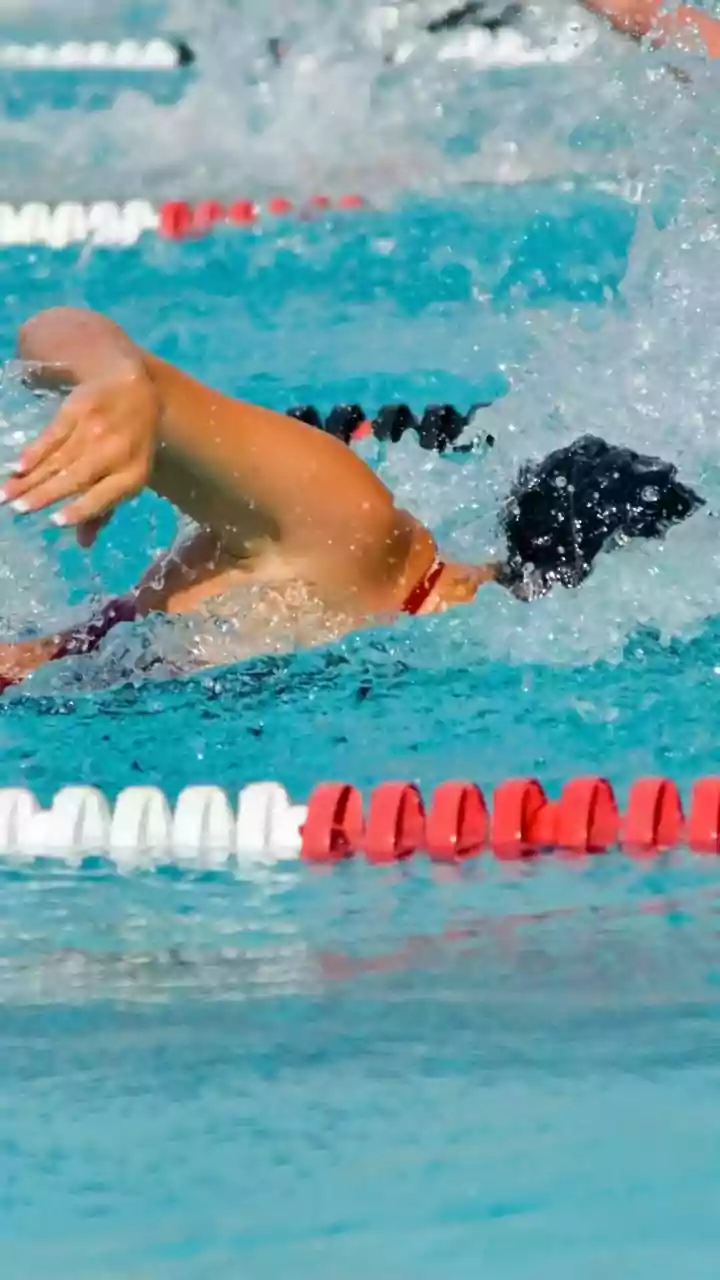
The fundamental principle is simple: the moment your face returns to the water after a breath, you should start exhaling slowly and steadily. Never hold your breath. Think of it as a constant, gentle stream of bubbles leaving your nose or mouth. Some coaches suggest humming while your face is submerged to get a feel for this continuous release of air. The goal is to empty your lungs almost completely just before you rotate to inhale again. This creates a vacuum, allowing air to rush in quickly and efficiently when your mouth clears the surface. You don't need a massive, lung-busting gasp; a quick 'sip' of air is often enough.
How to Practice: From Stillness to Stroke
You can start practicing on dry land or in the shallow end. Diaphragmatic breathing, or 'belly breathing,' can help you get used to deeper, more controlled breaths. Once in the pool, begin with 'bobs'. Stand in chest-deep water, take a breath, submerge your face, and exhale all your air out slowly underwater. As you exhale, you will start to sink. Just before you need to breathe, push off the bottom to resurface, inhale, and repeat. The popular 'bubble, bubble, breathe' mantra helps reinforce this rhythm. Once you're comfortable, try it with a kickboard. Kick across the pool, keeping your face in the water while exhaling, and only turning your head to the side to inhale.
Common Breathing Mistakes to Avoid
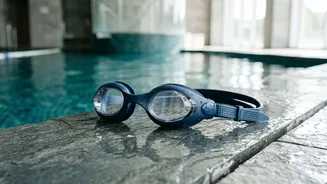
One of the most frequent errors is lifting the head to breathe instead of rotating it with the body. Lifting your head causes your hips and legs to drop, which creates significant drag and slows you down. Focus on keeping one goggle in the water as you turn to breathe, keeping your head low. Another mistake is explosive exhalation, where a swimmer holds their breath and then blows all the air out in one go just before inhaling. This disrupts rhythm and body position. Instead, aim for a steady, continuous release. Finally, avoid dropping your lead arm for support when you breathe. Your extended arm should remain stable to maintain balance; the breath should come from your body's rotation.
Simple Drills to Master Your Breath
1. Side-' Kick Drill': With one arm extended forward,' kick on your side while keeping your face in the water and exhaling.' Rotate your head to breathe,' then return to the face-' down position.' This isolates the breathing motion and builds comfort with rotation.' 2.' Bilateral Breathing': Practice breathing on both your left and right sides.' A common pattern is to breathe every three strokes,' which alternates your breathing side automatically.' This promotes a more symmetrical and balanced stroke.' 3.' Sink-'Downs': In a safe depth,' hug your knees to your chest and bob at the surface.' Take a breath and then continuously exhale.' As you empty your lungs,' you will slowly sink.' This drill is an excellent way to prove to yourself that you are effectively clearing your lungs.'