



More Than Just a Taste of Home
For many young adults living in cities, away from family, the pull towards traditional food is about more than just nostalgia. In a world of fast food and globalised menus, recreating a grandmother’s recipe is a deliberate act of reconnection. It’s a way to reclaim
a piece of their identity that feels authentic and grounded. This culinary revival is not about rejecting modernity, but about integrating heritage into a contemporary lifestyle. Cooking a dish like 'Sarson ka Saag' or 'Undhiyu' from scratch becomes an experience—a tangible link to family histories and regional roots that a restaurant meal can't quite replicate. This quest for authenticity is driving a deeper appreciation for the stories and traditions behind the food on their plates.
The Forgotten Wisdom of Seasonal Eating
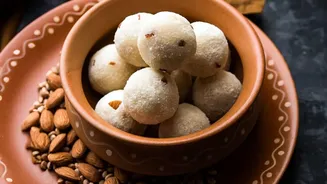
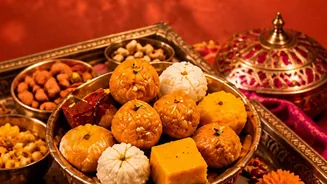
Age-old winter recipes are built on a foundation of Ayurvedic principles and generations of practical knowledge about what the body needs in colder months. Ingredients like bajra (pearl millet), jaggery, ghee, and various nuts and seeds are naturally warming and energy-dense. For instance, 'Gond ke Ladoo', made with edible gum, and 'Panjiri' are not just sweets; they are nutrient-packed preparations designed to boost immunity and provide the stamina needed to combat the winter chill. Similarly, winter vegetables like carrots, turnips, and mustard greens are at their peak, making dishes like 'Gajar ka Halwa' and 'Shalgam ki Sabzi' not only flavourful but also rich in essential vitamins. This rediscovery is teaching a new generation that seasonal eating is not a restrictive diet but a responsive, intelligent way to nourish the body in harmony with nature.
A Digital Lifeline for Heritage Foods
Ironically, the digital world is playing a crucial role in this return to tradition. While one might think social media would erode culinary heritage, it has become an invaluable archive. Young Indians who never had the chance to learn these recipes directly from their elders can now find them on food blogs, YouTube channels, and Instagram reels. These platforms are not just preserving recipes; they are making them accessible and adaptable. Food creators often share tips on sourcing ingredients or offer slight modifications for a modern kitchen. This digital sharing creates a vibrant community where ancient knowledge is kept alive, exchanged, and passed on to an even wider audience, ensuring these culinary traditions don't just survive but thrive.
Strengthening Bonds, One Meal at a Time
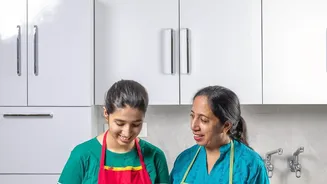
The act of preparing these elaborate winter dishes is often a communal one. It involves slow cooking, patience, and often, many hands. By choosing to cook these meals, young people are not just feeding themselves; they are creating opportunities for connection. Inviting friends over for a home-cooked 'Undhiyu' feast or involving older family members for their expertise in making the perfect 'Tilgul' for Makar Sankranti strengthens social and familial bonds. It transforms a simple meal into a shared experience, building new memories that are layered upon the old. In this way, the kitchen becomes a space not only for culinary exploration but for fostering community and continuing a legacy of hospitality and togetherness.