

What is Astrotourism?
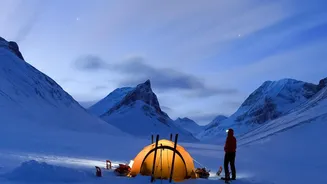
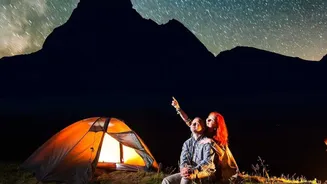
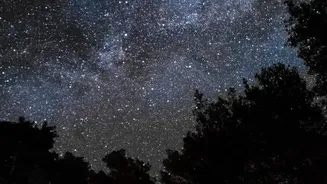
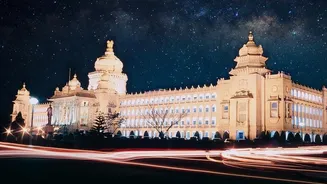
Astrotourism, or dark sky tourism, is travel for the specific purpose of stargazing. It involves visiting locations with minimal light pollution to witness the night sky in its full glory—something most city dwellers rarely experience. This isn't just
about finding a dark spot; it’s an entire ecosystem of travel built around celestial events, observatories, and the simple, profound act of looking up. In India, a country of bustling cities, the allure of a pristine, star-filled sky is driving a new kind of travel that combines adventure with awe. This growing trend also brings economic benefits and jobs to remote, rural communities that are home to these dark skies.
Winter: The Prime Stargazing Season
While stargazing is possible year-round, Indian winters offer the perfect conditions for celestial observation. The months from October to March typically bring clearer, more stable skies across much of the country. The post-monsoon atmosphere is crisp and dry, with significantly less haze and humidity, particularly in high-altitude regions. This clarity means that constellations appear sharper, the Milky Way is more defined, and faint objects like nebulae and distant galaxies are easier to spot. The longer nights of winter also provide an extended canvas for observation, making it the ideal time to plan a cosmic adventure.
India’s Crown Jewel: Hanle Dark Sky Reserve
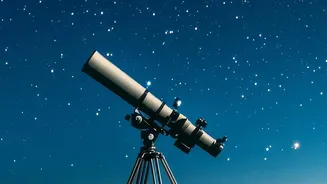
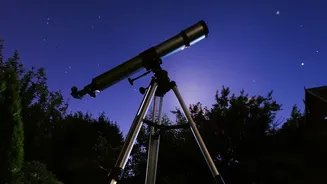
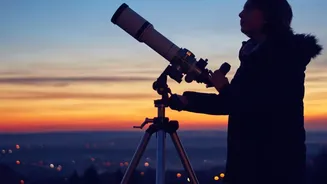
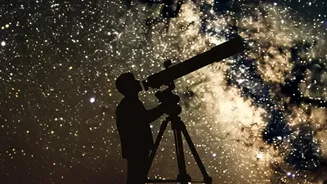
The epicentre of Indian astrotourism is the Hanle Dark Sky Reserve in Ladakh, the country's first officially recognised sanctuary for stars. Located within the remote Changthang Wildlife Sanctuary at an altitude of over 4,500 metres, Hanle offers some of the best stargazing conditions in Asia. The reserve is a partnership between local communities and scientists to protect the exceptional quality of the night sky by controlling light pollution. Homes use special curtains and shielded lights to preserve the natural darkness. While the high-tech telescopes of the Indian Astronomical Observatory are generally for scientists, visitors benefit from this protected environment. Local villagers, trained as 'Astronomy Ambassadors', guide visitors through the cosmos using their own telescopes, making homestays the hubs of celestial exploration.
The Educational Escape
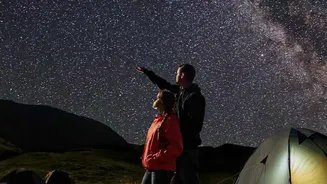
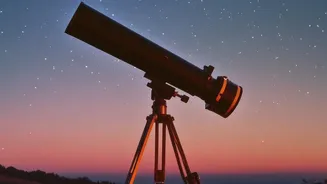
Astrotourism is far more than just pretty views; it's a deeply educational experience. At sites like Hanle, visitors can participate in 'Star Parties' to observe meteor showers and other phenomena. Many destinations offer workshops on astrophotography, teaching you how to capture the Milky Way with a standard DSLR camera. The guides, often locals trained by institutions like the Indian Institute of Astrophysics, share knowledge about constellations, the life cycle of stars, and the cultural stories woven into the night sky. This turns a simple holiday into a hands-on learning opportunity, fostering a deeper connection to science and the universe. The experience is designed to be accessible, sparking curiosity in everyone from seasoned amateurs to families with young children.
Other Stargazing Sanctuaries
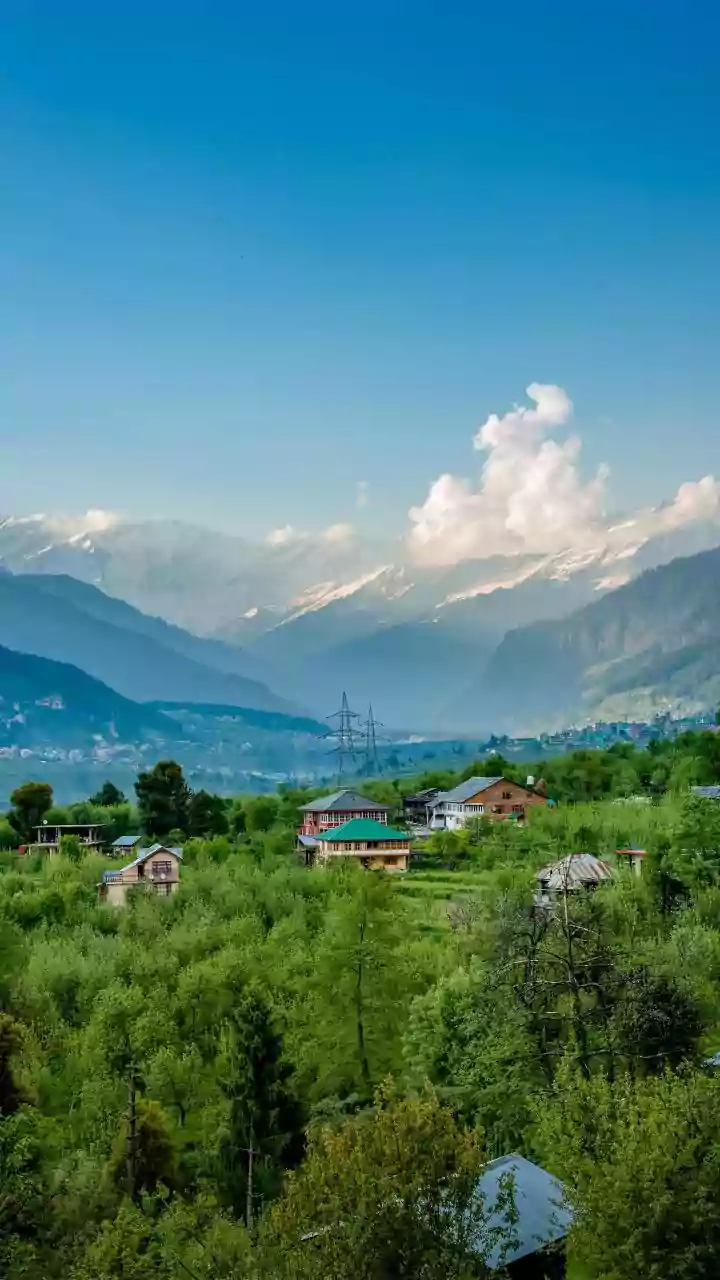
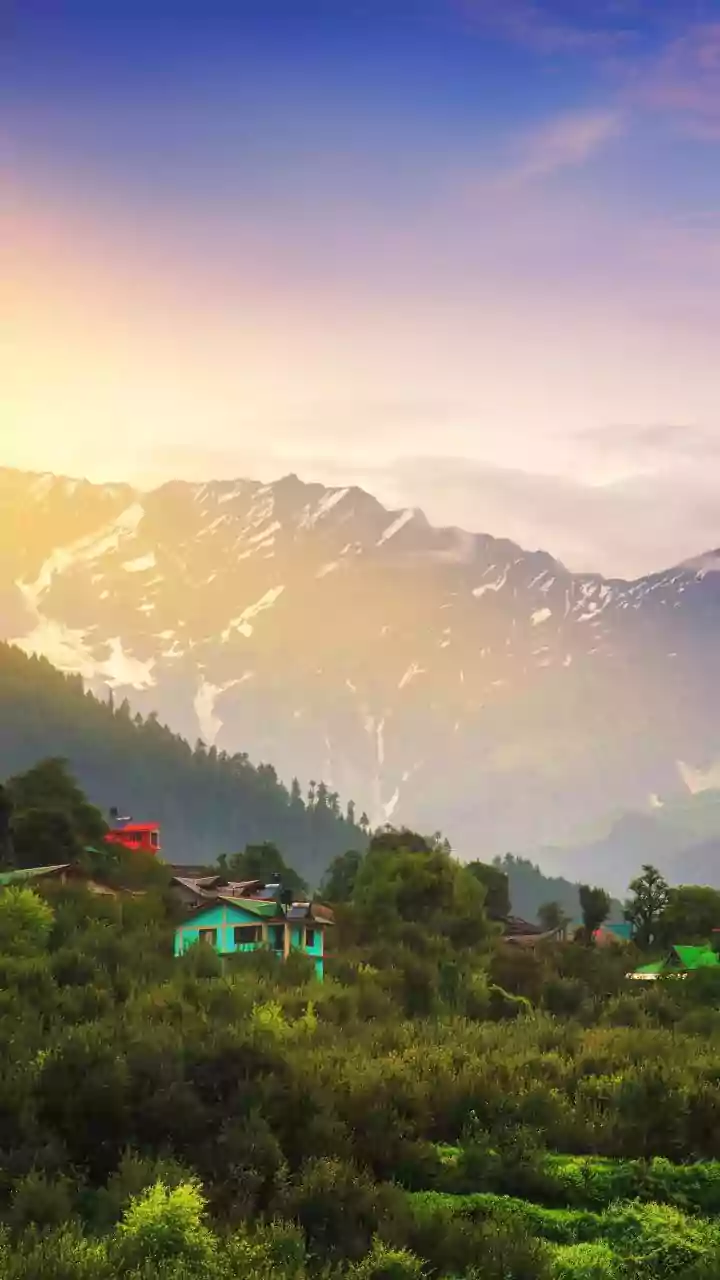
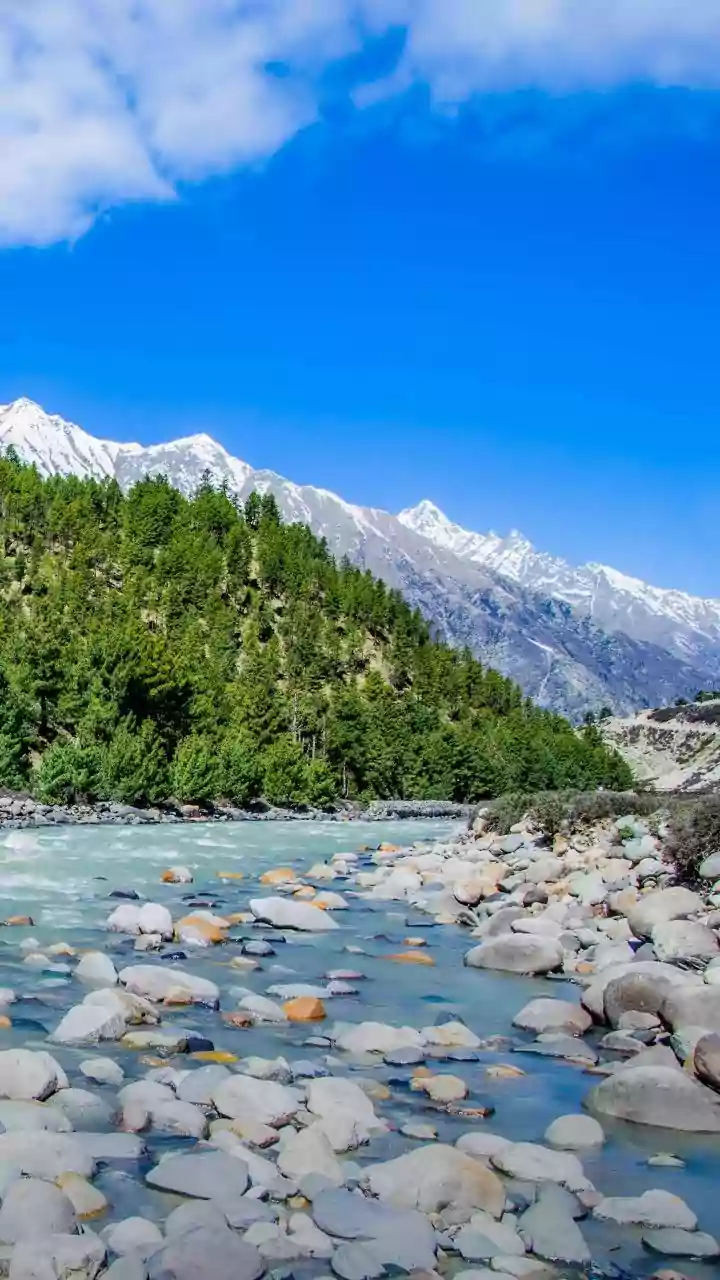
While Hanle is the flagship, India has numerous other locations perfect for a winter star-chasing trip. Spiti Valley in Himachal Pradesh offers similarly high-altitude, dark skies, making it a favourite for serious astrophotographers. In Rajasthan, the vast desert landscapes near Jaisalmer and the Sambhar Salt Lake provide unobstructed, 360-degree views of the celestial sphere. For those seeking a less rugged experience, Coorg in Karnataka offers stargazing opportunities from the comfort of luxury resorts, especially from November to March. Even regions like the Rann of Kutch in Gujarat and newly developed astro-villages in Madhya Pradesh are emerging as fantastic spots to witness the cosmos.
The Serenity of the Stars
Perhaps the most profound benefit of an astrotourism trip is the sense of peace it provides. In our hyper-connected world, these remote locations force a digital detox. There’s a unique serenity that comes from standing in near-total silence, under a blanket of thousands of stars, that grounds you in the present moment. It's a humbling experience that offers perspective, reduces stress, and reconnects travellers to the natural world in a fundamental way. By choosing this path, travellers not only find a peaceful escape but also contribute to the preservation of one of humanity's oldest and most precious resources: the dark night sky.