



The Great Upma Redemption
If you grew up in India, you likely have a strong opinion about upma. For some, it evokes warm memories of a quick, comforting breakfast, lovingly prepared. For others, it triggers flashbacks to lumpy, bland tiffin box meals that were traded away for anything
else. For decades, upma has been the underdog of the Indian breakfast table — reliable and ubiquitous, but rarely celebrated. It was functional food, meant to be made quickly and eaten without much fuss. But recently, a quiet but powerful shift has been taking place. On social media feeds, in cafe menus, and in everyday kitchen conversations, upma is being redeemed. It’s shedding its dowdy reputation and emerging as a dish celebrated for its simplicity, versatility, and surprising health credentials.
More Than Just Rava
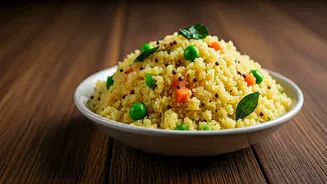
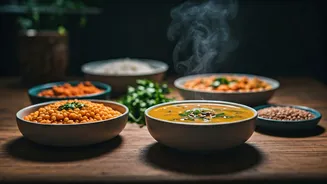
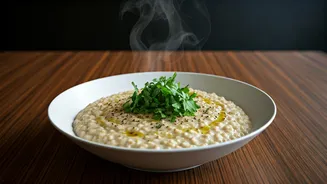
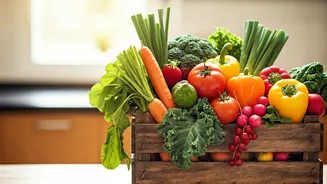
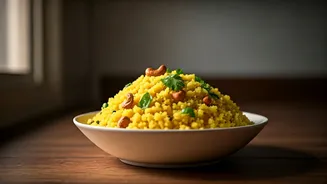
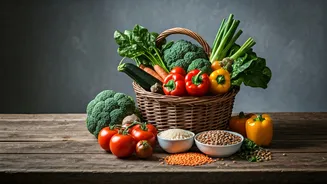
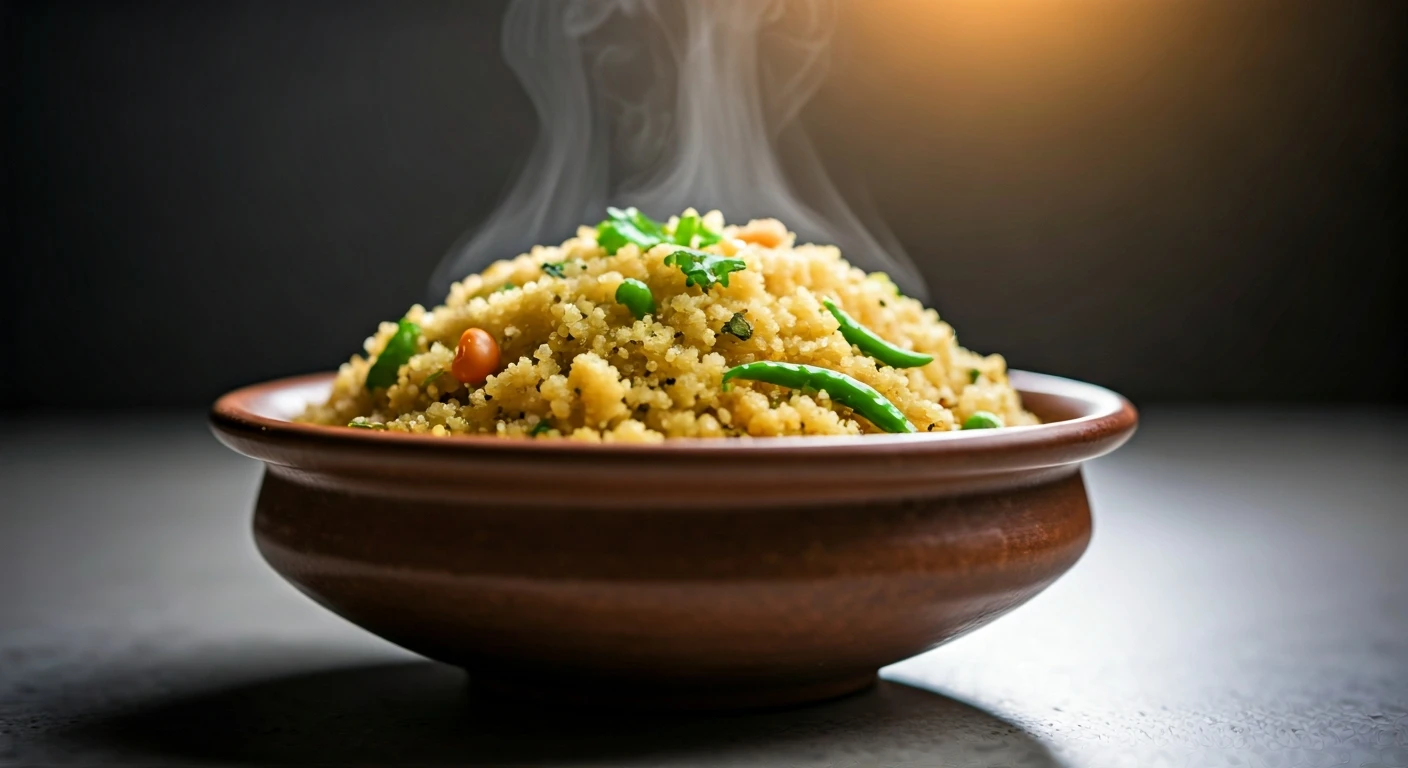
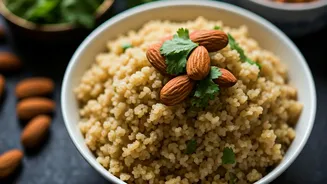
Part of upma's resurgence lies in the collective realisation that it is so much more than its most basic form. The classic semolina (rava) upma is just the beginning. Across India, its variations are a testament to regional creativity. In Karnataka, it’s the flavourful 'khara bath,' often richer with ghee and served alongside a sweet 'kesari bath.' In Maharashtra, you might find it made with flattened rice (poha). Modern health-conscious cooks are pushing the boundaries even further, swapping out semolina for nutrient-dense alternatives like millets, quinoa, oats, or broken wheat (dalia). This adaptability makes upma a perfect canvas. You can load it with vegetables like carrots, peas, and beans, fortify it with lentils, or garnish it with a handful of roasted cashews and fresh coconut. It’s a dish that meets you where you are, whether you need a five-minute meal or an elaborate weekend brunch item.
The Wellness Factor
In an era where 'clean eating' and mindful consumption are paramount, upma fits right in. A basic bowl is light on the stomach, low in calories, and provides sustained energy, thanks to the complex carbohydrates in semolina. When prepared with minimal oil and packed with vegetables, it becomes a balanced meal. It’s a far cry from the heavy, fried breakfasts that can leave you feeling sluggish. Dietitians and nutritionists often recommend upma as a healthy breakfast option, especially for those managing weight or blood sugar. Unlike processed cereals, it’s a whole food that is both satisfying and nourishing. This health halo has been instrumental in its comeback, appealing to a new generation that prioritises wellness without sacrificing flavour.
Nostalgia on a Plate
Beyond its health benefits and versatility, upma’s greatest strength is its emotional resonance. For millions, it’s the taste of home. It’s the ultimate comfort food, a simple dish that signals care and familiarity. In our fast-paced, globalised world, there is a growing movement towards rediscovering and celebrating our own culinary roots. We are looking back at the foods our grandparents ate and finding immense value in their simplicity and wisdom. A perfectly made upma — fluffy, fragrant, with the gentle hum of ginger and the pop of mustard seeds — is a deeply satisfying experience. It’s a culinary hug. This wave of nostalgia, amplified by social media where users share their 'taste of home' moments, has helped reposition upma not as a boring necessity, but as a cherished part of our cultural heritage.