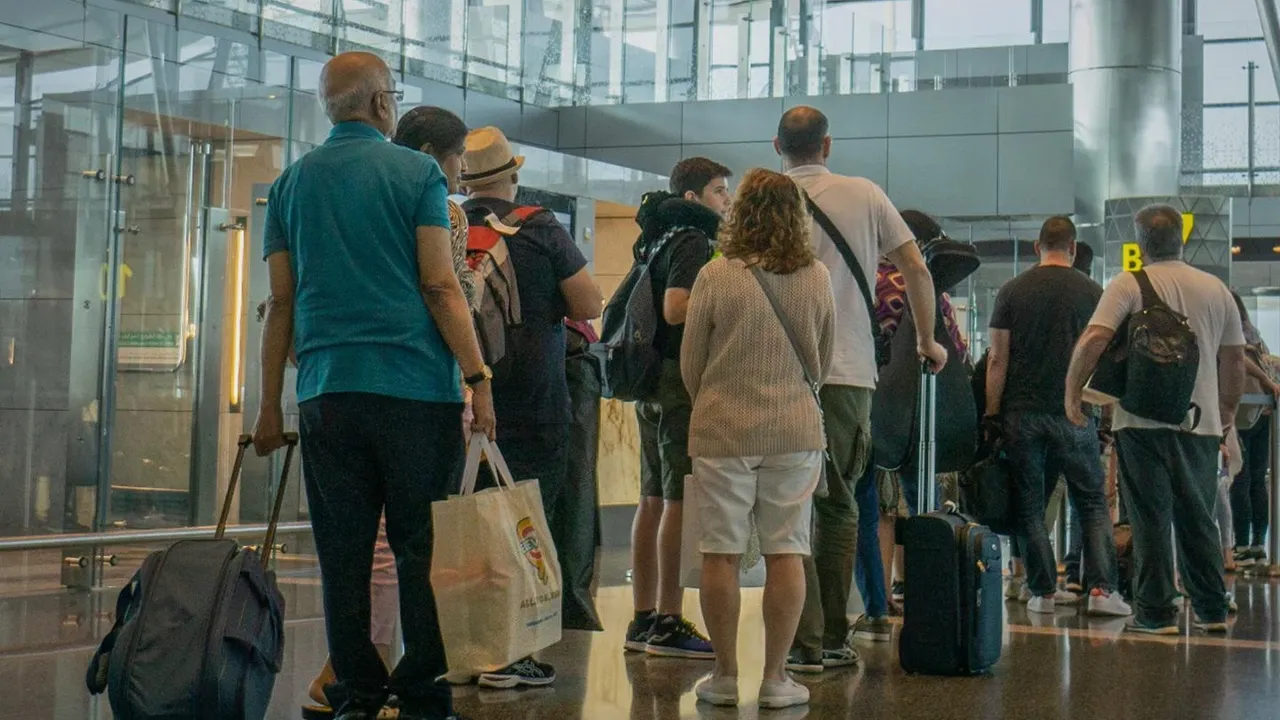







The weekend getaway is a cherished tradition, but it often comes with crowded lobbies, peak pricing, and sold-out signs. What if the secret to a better holiday was simply to shift your dates by a couple of days?
The Supply and Demand Game
At its core, the midweek travel advantage
is a simple lesson in economics. Most leisure travellers plan their trips around weekends, causing a surge in demand from Friday to Sunday. This high demand leads to lower availability and, consequently, higher room rates. Hotels operate on a dynamic pricing model, similar to airlines, where algorithms adjust rates based on demand. When occupancy is high, prices climb. Conversely, when demand dips between Sunday and Thursday, hotels are more eager to fill empty rooms, often leading to more attractive prices for savvy travellers. For leisure destinations, Friday and Saturday are peak days, but for business-centric city hotels, the pattern can be reversed, with weekdays being busier and more expensive.
Why Hotels Welcome Midweek Guests
From a hotel's perspective, an empty room is lost revenue that can never be recovered. While weekends might sell themselves, the period from Monday to Thursday often presents a challenge in filling rooms, especially in leisure-focused destinations. A guest checking in on a Tuesday is helping the hotel smooth out its occupancy rates for the week. This makes midweek guests particularly valuable. With more rooms available, the hotel has greater flexibility. They are not just selling a standard room; they have a full inventory of suites, corner rooms, and rooms with better views that are likely sitting empty. This is where the opportunity for an upgrade arises. An upgrade for a midweek guest costs the hotel very little but creates a memorable experience, fostering goodwill and encouraging repeat business.
Your Strategy for a Better Room
Securing an upgrade is part art, part science. Travelling midweek gives you a significant advantage, but you can further boost your chances. The best odds are often for short, one- or two-night stays between Tuesday and Thursday. When you check in, the hotel has a clear picture of its inventory for the night, especially in the late afternoon. A polite request at this time can go a long way. Furthermore, booking directly with the hotel is often recommended, as many properties prioritise their direct customers and loyalty program members for perks like upgrades. If you are celebrating a special occasion, be sure to mention it discreetly in advance or at check-in. While nothing is ever guaranteed, arriving when the hotel is less stressed and has more rooms to spare dramatically improves your odds.
Beyond the Upgrade: The Other Perks
The benefits of a midweek trip extend far beyond the front desk. Fewer guests mean a more relaxed and enjoyable environment all around. Imagine having the swimming pool almost to yourself, getting a reservation at the hotel’s popular restaurant without any hassle, and finding the gym comfortably quiet. The staff, too, are often less overwhelmed and can provide more personalised and attentive service. This quieter atmosphere can transform a good holiday into a great one. Beyond the hotel, you'll find fewer crowds at popular attractions, museums, and even on the roads, meaning less time spent in queues and more time enjoying your destination.
Know the Exceptions
While midweek travel is a fantastic strategy for most leisure trips, it's wise to be aware of the exceptions. Hotels in major business districts can be at their busiest and most expensive from Monday to Thursday. These properties often cater to corporate travellers, and their quiet period is the weekend. Always check if a large conference or city-wide event is scheduled during your intended dates, as this will drive up demand and prices regardless of the day of the week. A quick search of the city's event calendar before you book can help you avoid any surprises and ensure you're truly travelling during an off-peak window.