





The End of Spreadsheet Headaches
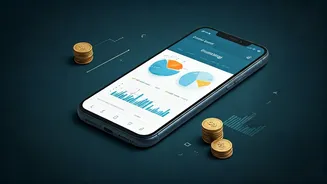
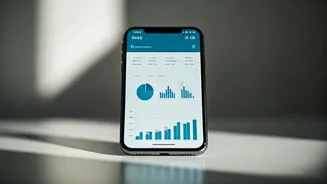
One of the biggest advantages of using a digital budgeting app is automation. Many modern apps can securely sync with your bank accounts and credit cards, automatically importing and categorizing your transactions. In India, where UPI and digital wallets
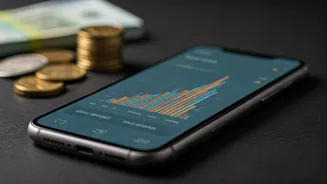
dominate, many apps are specifically designed to read transaction SMS alerts, capturing every rupee spent without you needing to lift a finger. This real-time, automated tracking eliminates the tedious manual entry that caused so many of us to abandon traditional budgeting methods. Instead of spending hours reconciling accounts, you get an instant, accurate overview of your financial activity, all in one place. This convenience is a game-changer, transforming budgeting from a dreaded task into a seamless background process.
Must-Have Features in a Modern App
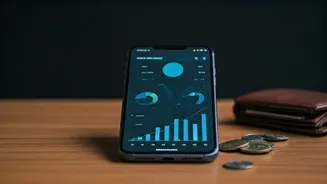
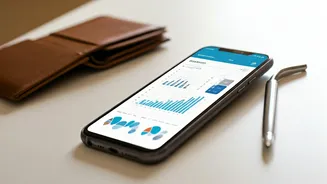
When choosing an app, certain features are non-negotiable for effective money management. Automatic expense categorization is key, as it sorts your spending into buckets like 'Groceries', 'Transport', and 'Entertainment', giving you a clear view of where your money is going. Look for apps that offer customisable budget creation, allowing you to set spending limits for different categories and receive alerts when you're approaching them. Bill reminders are another invaluable feature, helping you avoid late fees by notifying you of upcoming payments for rent, EMIs, and subscriptions. For those with larger financial goals, features that help you set and track savings targets for things like a vacation, a new car, or an emergency fund can provide powerful motivation.
Which Budgeting Style Are You?
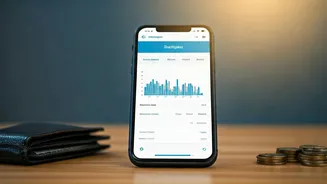
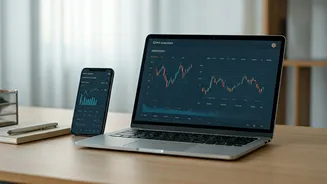
The best app for you depends on your personality and financial goals. For those who want a complete, hands-off overview, apps like Money View and Walnut automatically track expenses via SMS and provide a holistic picture. If you are also an investor, platforms like ET Money integrate expense tracking with investment management, allowing you to see your entire financial portfolio in one dashboard. For families or couples who need to manage shared finances, apps like Goodbudget digitize the classic 'envelope' system, allowing you to allocate funds to different spending envelopes and share access with a partner. This method requires more manual input but enforces discipline. For goal-oriented individuals, You Need A Budget (YNAB) uses a forward-looking approach, forcing you to give every rupee a 'job', which can be highly effective for disciplined users.
Making the Habit Stick
A budgeting app is only a tool; its true power is unlocked when it becomes a habit. The initial setup might require some effort, but it pays dividends. Start by linking your main accounts and letting the app gather a week's worth of data. Take 10 minutes each weekend to review your spending patterns. Are there any surprises? Where can you trim? Use the insights to adjust your category budgets for the following week. Many users find that simply seeing their financial habits laid out clearly is enough to inspire change. The goal isn't to restrict every purchase but to gain awareness and ensure your spending aligns with your values and goals. Over time, this weekly check-in becomes a powerful routine for building long-term financial health.