

The Silent Threat in Their Smile
Periodontal disease is an infection and inflammation of the tissues surrounding your pet's teeth. It starts with plaque—a film of bacteria that forms on the teeth after eating. If not removed, this plaque hardens into tartar within a few days. This tartar buildup
pushes the gums away from the teeth, creating pockets where more bacteria can thrive, leading to infection, pain, and eventually bone and tooth loss. It’s a quiet process, and pets are masters at hiding pain, so many don’t show obvious signs until the disease is advanced.
Warning Signs You Shouldn't Ignore
While your pet might not complain, their body will give clues. The most common sign of dental trouble is persistent bad breath (halitosis). Other red flags to watch for include red, swollen, or bleeding gums, yellow-brown tartar on the teeth, and changes in eating habits. You might notice your dog or cat dropping food, chewing on only one side of their mouth, preferring soft food, or showing reluctance to eat or play with chew toys. Excessive drooling or pawing at the mouth are also signs of discomfort.
Your First Line of Defence: At-Home Care
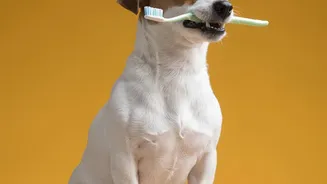
The best way to fight periodontal disease is to prevent plaque from building up. Daily brushing is the gold standard. Use a soft-bristled toothbrush designed for pets and a pet-specific toothpaste—never use human toothpaste, as it can be toxic to them. Start slowly by letting your pet get used to the taste of the toothpaste and the feel of the brush. If brushing isn't possible, there are other options. Dental wipes, finger brushes, water additives, and specific dental chews or toys can also help reduce plaque.
Why Professional Cleaning is Essential
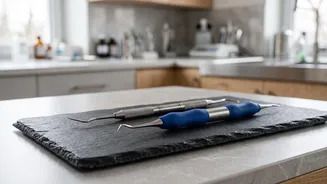
Just like with our own teeth, at-home care isn't enough. Regular professional dental cleanings by a veterinarian are crucial. This procedure is done under general anaesthesia to ensure your pet is safe and comfortable, and to allow for a thorough cleaning. The vet will remove tartar and plaque from above and, most importantly, below the gumline—the area where periodontal disease starts. They will also take dental X-rays to check for problems beneath the surface, such as bone loss or root damage, and polish the teeth to make it harder for new plaque to stick.
More Than Just a Toothache
Ignoring your pet's dental health affects more than just their mouth. Bacteria from an infected mouth can enter the bloodstream and travel to vital organs. Studies have shown a clear link between advanced periodontal disease and an increased risk of heart, liver, and kidney problems. The chronic inflammation caused by dental disease also puts a constant strain on your pet's immune system. By taking care of their teeth, you are actively protecting their overall health and potentially extending their life.