





A Drizzle-Fueled Travel Boom
The idea of a monsoon holiday is no longer a niche concept. Recent data shows a significant spike in travel demand during the rainy season. Hotel bookings have increased by over 54% year-on-year, and bus travel has surged by an astonishing 140%. Destinations
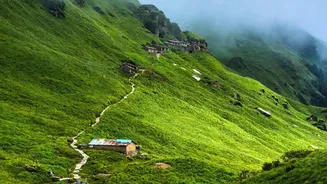
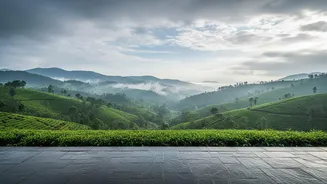
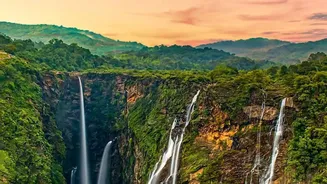
like Goa and the Northeast are seeing huge gains, with hotel bookings in Wayanad, Kerala, growing by 160%. This shift is driven by a desire for nature-based experiences, fewer crowds, and the sheer beauty of a rain-washed landscape. Travellers are increasingly drawn to the misty hills of the Western Ghats, the cultural richness of Rajasthan, and the verdant backwaters of Kerala, transforming what was once a lean period into a bustling travel window.
The Allure of the 'Flexible' Booking
To capture this growing market, airlines, hotels, and online travel agencies are heavily promoting 'refundable' and 'flexible' booking options. These deals promise peace of mind, allowing travellers to book speculatively, knowing they can supposedly cancel without penalty if the notoriously unpredictable monsoon weather disrupts their plans. For many, this perceived safety net is the final push needed to book a trip, especially with the lingering possibility of landslides, waterlogging, or flight cancellations. The appeal is simple: all the benefits of an off-season trip with none of the risk. Or so it seems.
The Fine Print on 'Free Cancellation'
The word 'refundable' often comes with a host of conditions that can catch travellers off guard. Many budget-friendly fares are explicitly non-refundable, and even those that aren't may have significant deductions. A cancellation fee, often amounting to a large portion of the base fare, is common. Furthermore, refunds might be issued as a credit shell for future travel rather than a cash refund to your bank account, locking your money with the airline or hotel. Policies from third-party booking sites can add another layer of complexity, with their own service fees and processing timelines that may differ from the airline or hotel's policy.
Weather Woes and Policy Gaps
When it comes to monsoon travel, weather is the biggest variable. While Directorate General of Civil Aviation (DGCA) rules mandate that airlines must offer a refund or an alternative flight for cancellations, bad weather is often considered a 'force majeure' event. This means airlines are not required to pay additional compensation for the disruption, though they are still obligated to provide a refund or rebooking. For hotel bookings, a washed-out road or a local landslide might not be covered under their cancellation policy, leaving you to bear the cost of a trip you can no longer take. This is where the gap between a traveller's expectation of a refund and the company's contractual obligation becomes painfully clear.
How to Book Your Monsoon Trip Smartly
Despite the pitfalls, you can still plan a fantastic and secure monsoon getaway. Firstly, consider comprehensive travel insurance that explicitly covers weather-related disruptions, trip cancellations, and delays. When booking flights, take advantage of the DGCA's new rule, effective March 26, 2026, which allows for free cancellation within 48 hours of booking for flights at least seven days away. Always read the fare rules carefully; a slightly more expensive 'Flexi' fare might save you money in the long run. Take screenshots of the cancellation policy at the time of booking and, where possible, book directly with the airline or hotel for clearer communication and a more straightforward refund process should you need it.