


Why Perfection Is Losing Its Shine
For years, the ideal home was often portrayed as a stark, minimalist space, meticulously curated and free of clutter. But after a period of intense global change, homeowners are craving authenticity and comfort. The consensus among designers is clear:
stark minimalism is giving way to layered interiors filled with warmth and individuality. This shift isn't about rejecting style, but redefining it. It's about creating homes that feel lived-in and loved, where every object has a purpose or a story. The new design mantra values substance over superficial styling, focusing on creating sanctuaries that support emotional well-being rather than just looking good for a photo.
Embrace the Eclectic Mix
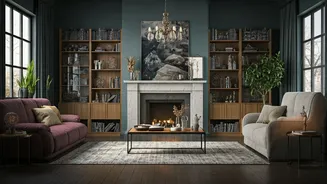
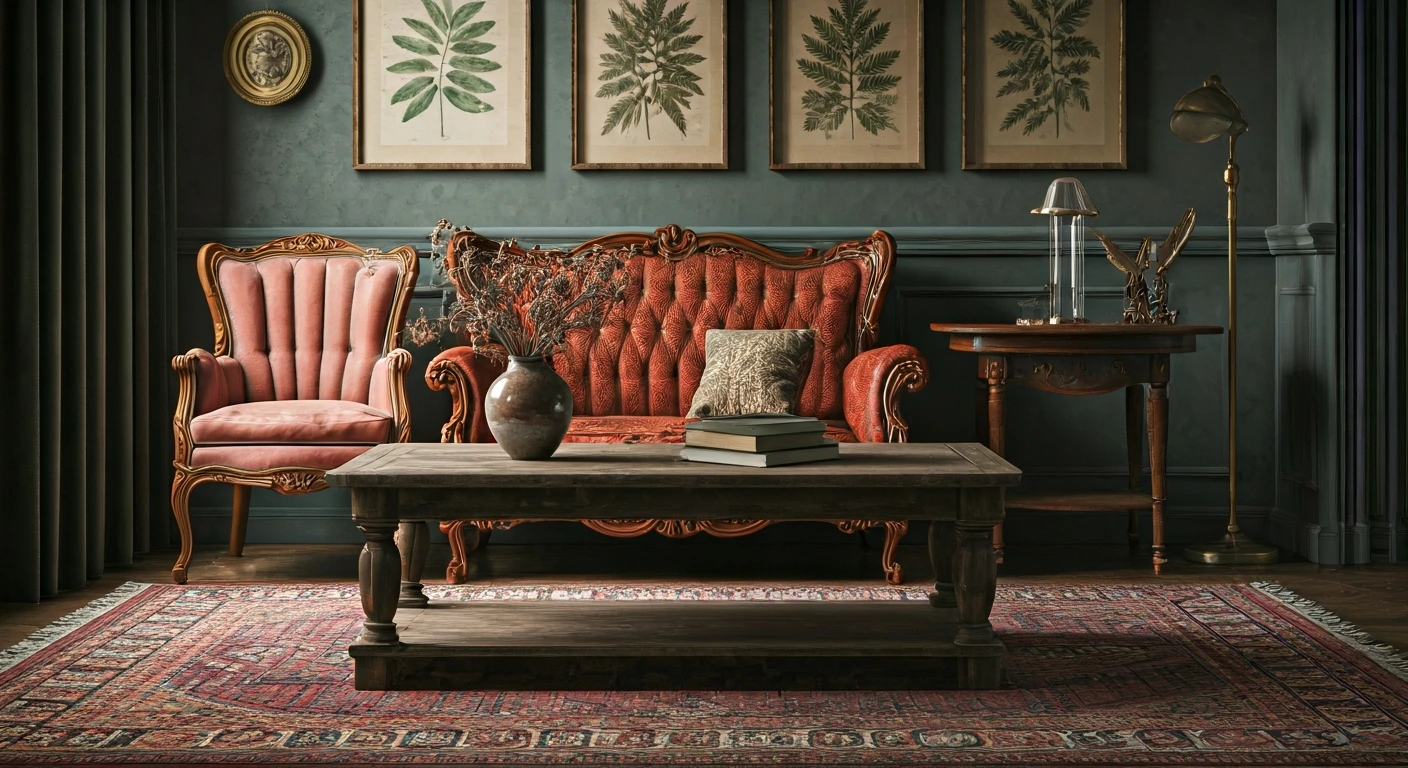
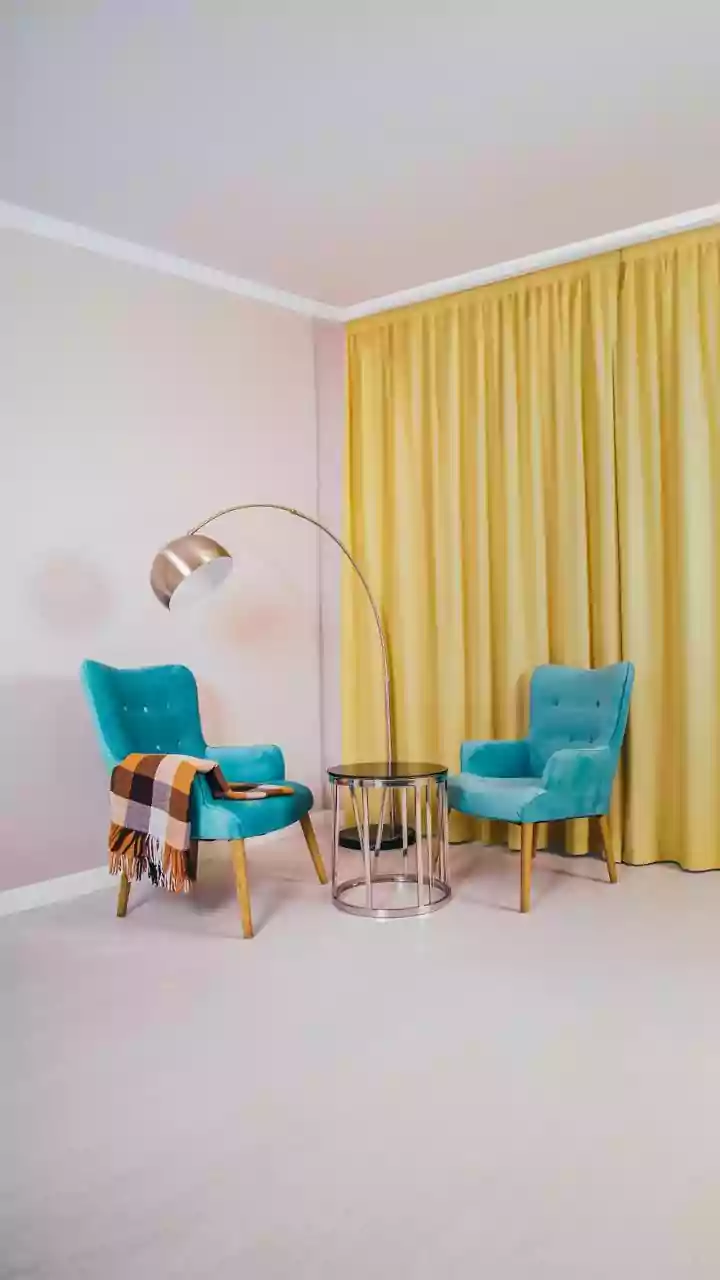
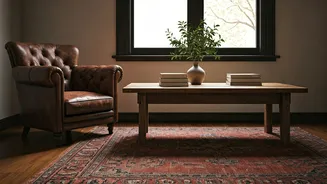
One of the cornerstones of this new approach is a departure from perfectly matched furniture sets. The 2026 aesthetic is decidedly eclectic, championing a thoughtful mix of different styles, eras, and textures. Think of pairing a sleek, modern sofa with a vintage armchair passed down from a relative, or laying a colourful, patterned rug over a classic wooden floor. This approach, sometimes called 'curated maximalism', is about layering patterns, colours, and objects in a way that feels expressive and intentional. The goal is to create a visual dialogue between pieces, resulting in a space that feels like it has been slowly and lovingly assembled over time.
The Soul of Secondhand and Handmade
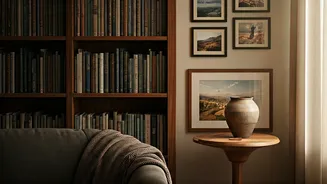
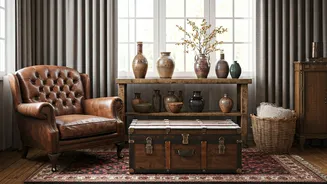
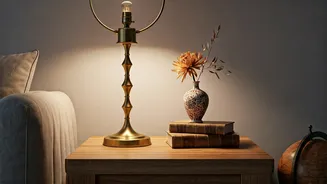
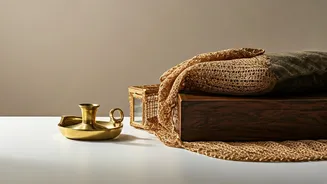
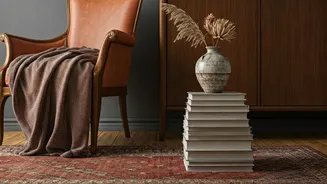
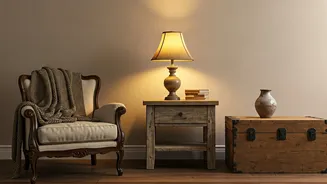
A key element in building a home with character is incorporating items with a past. Vintage, reclaimed, and antique pieces bring a sense of history and soul that new items often lack. Whether it's a weathered wood table, a thrifted lamp, or a collection of old paintings, these objects tell a story. This appreciation for the past is part of a philosophy known as 'wabi-sabi', a Japanese concept that finds beauty in imperfection and the natural ageing process. It celebrates the crack in a ceramic bowl or the patina on a brass fixture as evidence of a life well-lived. Alongside vintage finds, there's a growing emphasis on handmade and artisanal goods—from hand-thrown pottery to woven textiles—that add a unique, human touch.
Telling Your Story Through Objects
This trend gives you permission to display your life. The treasures from your travels, your overflowing bookshelves, and the artwork you've collected over the years are no longer clutter; they are key design elements. The focus is on curating meaningful collections that reflect your personality and experiences. This move towards 'slow decorating' encourages a more thoughtful approach, where a home evolves organically over time rather than being completed in a rush. It's about investing in pieces you truly love and making room for discovery, allowing your home to become a living scrapbook of your journey.
A Lived-In, Comfortable Feel
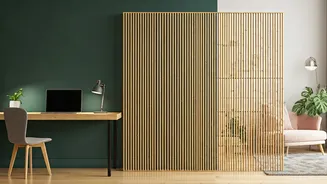
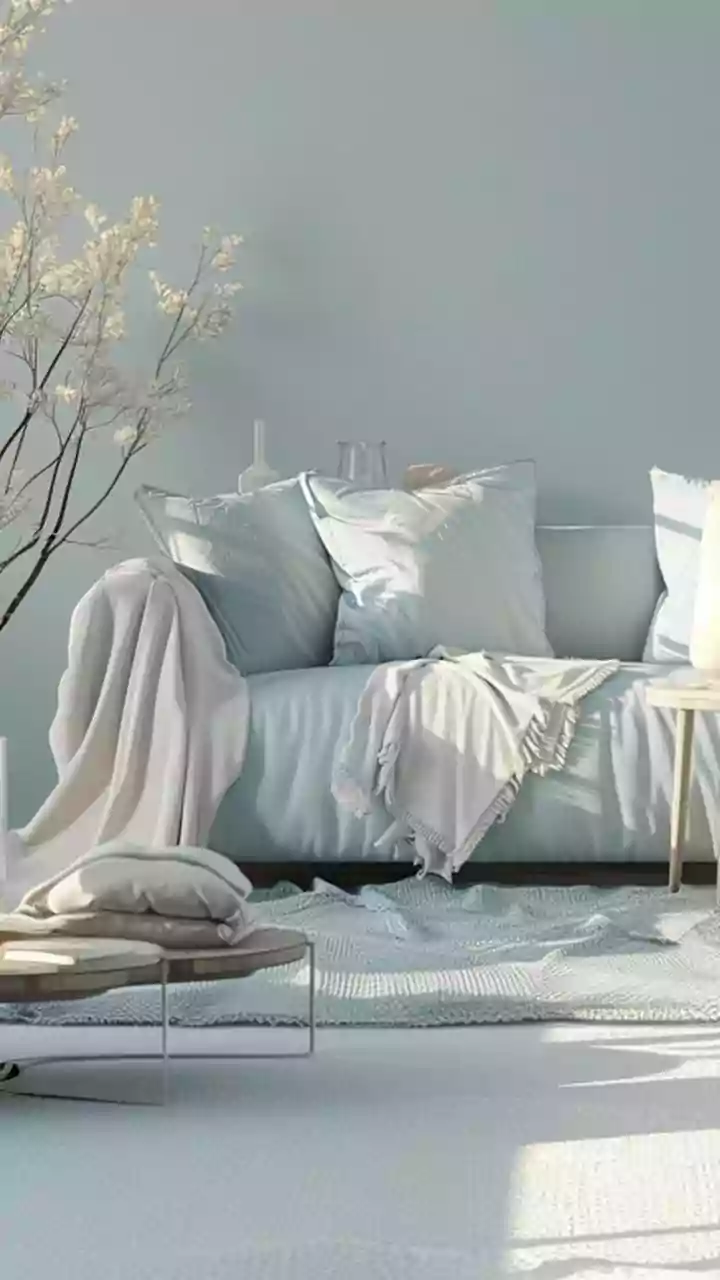
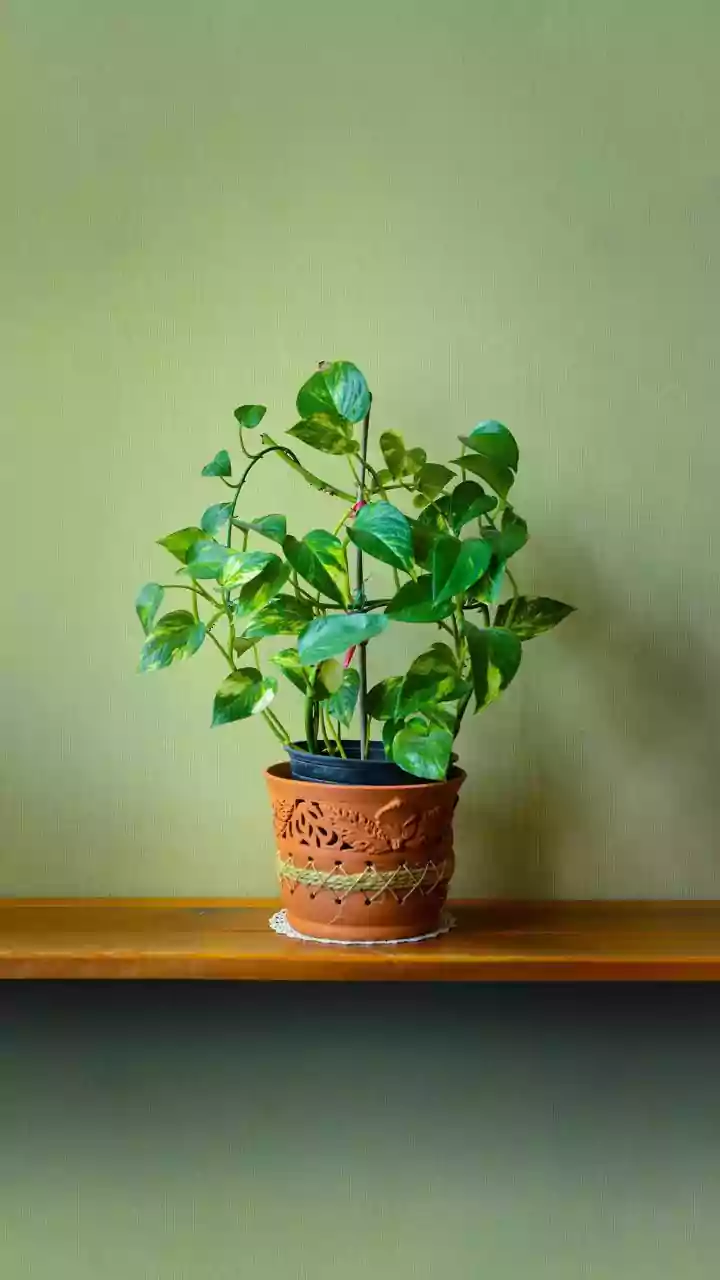
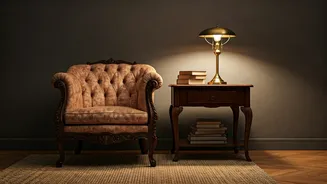
Ultimately, the shift towards character is about prioritising comfort and function. Designers are favouring deep seating, enveloping silhouettes, and touchable materials like velvet, linen, and aged leather. The aim is to create spaces that invite you to relax and settle in. Natural materials like wood, stone, and bamboo are central to this, bringing warmth and a connection to the outdoors. This biophilic approach goes beyond just adding houseplants; it's about incorporating natural textures and earthy colour palettes—like deep greens, terracotta, and warm browns—to create a calm, grounding atmosphere.