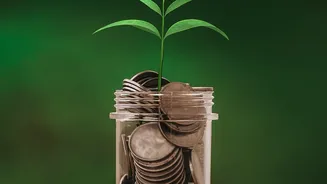







The Goal: What is an Emergency Fund?
An emergency fund is not an investment; it is a financial buffer for unexpected life events. Think of it as a dedicated pool of money to cover costs from a sudden job loss, a medical crisis, or an urgent home repair without derailing your life or forcing
you into high-interest debt. For a young worker, ₹1 lakh is a fantastic initial goal. It is substantial enough to cover several months of essential expenses, providing a real sense of security as you navigate your career. A survey revealed that a staggering 75% of Indians do not have an adequate emergency fund, making this a crucial first step toward financial health.
The Math: Making One Lakh Achievable
The target of ₹1 lakh in a year might sound daunting, but breaking it down makes it manageable. To reach your goal in twelve months, you need to save approximately ₹8,333 per month. This is your magic number. The entire strategy revolves around consistently putting aside this amount. Don't focus on the big final number; focus on hitting this monthly target. The key is to make this saving non-negotiable, treating it like any other essential monthly expense, such as rent or utilities. The momentum from the first few months makes the rest of the year feel significantly easier.
Your Strategy: Adopt the 50/30/20 Budget Rule
The 50/30/20 rule is a simple yet powerful budgeting framework perfect for young earners. It suggests allocating your after-tax income into three buckets: 50% for Needs (rent, groceries, utilities, EMIs), 30% for Wants (dining out, shopping, entertainment), and 20% for Savings. For instance, on a ₹50,000 monthly take-home salary, you would allocate ₹25,000 for needs, ₹15,000 for wants, and ₹10,000 for savings. This framework automatically accommodates your ₹8,333 goal within the 20% savings portion. The most critical action is to automate the transfer of your savings amount to a separate account on the day you receive your salary. This “pay yourself first” approach ensures the money is saved before you have a chance to spend it.
Action Plan: Trim Wants and Reduce Discretionary Spending
To comfortably meet your savings goal, take a hard look at your 'Wants' category. This isn't about deprivation, but optimisation. Small, consistent cuts can free up a significant amount of cash. Start by tracking your expenses for a month to see where your money truly goes. Cancel subscriptions you rarely use, reduce the frequency of food delivery orders, and plan meals for the week. Adopting a simple '24-hour rule' for non-essential online purchases can also curb impulse spending. Deleting shopping apps from your phone for a period can dramatically reduce temptation and save a surprising amount of money.
Accelerator: Consider a Small Side Hustle
If your budget is tight, earning an extra ₹2,000-₹3,000 a month can make hitting your ₹8,333 target almost effortless. In today's digital economy, there are numerous accessible side hustles for young professionals. Skills like freelance content writing, social media management for local businesses using tools like Canva, or online tutoring for school students are in high demand. Platforms like Internshala, Upwork, or UrbanPro can connect you with part-time gigs that require just a few hours a week, fitting easily around your corporate job.
The Final Step: Where to Park Your Emergency Fund
Where you keep your emergency savings is crucial. The money must be safe and easily accessible (liquid). A regular savings account is a start, but its low interest rates won't protect your money's value. A better, two-bucket approach is recommended. Keep the first month or two of expenses (around ₹15,000-₹25,000) in a high-yield savings account for immediate, 24/7 access via UPI or ATM. Park the rest of your growing fund in a liquid mutual fund or a sweep-in Fixed Deposit (FD). These instruments offer slightly better returns than a savings account (currently around 6-7%) while still allowing you to access your money within a day or two. This strategy balances immediate liquidity with better earnings.