





Why One Type of Care Doesn't Fit All
Just like people, pets have distinct personalities and needs. A boisterous young Labrador has vastly different requirements than a quiet, elderly cat. Assuming any boarding facility or pet sitter will do is a common mistake. The environment, level of
activity, and type of supervision can make the difference between a pet that is happy and relaxed and one that is stressed and anxious. Understanding your pet's specific traits is the first step. Consider their typical day: are they a social butterfly who loves group play, or do they prefer quiet solitude? Answering these questions helps you move beyond basic availability and cost to find a genuinely good fit.
The Size Factor: Space and Safety
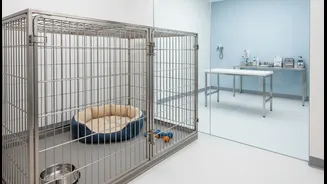
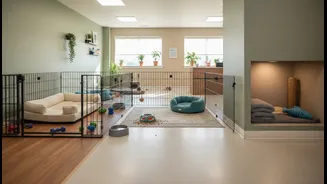
A pet's size is a crucial factor in determining the right environment. Large-breed dogs need ample room to stand, stretch, and turn around comfortably in their sleeping quarters. Facilities with spacious individual runs and large, securely fenced play yards are ideal. For them, a cramped space can lead to stress and stiffness. Conversely, small dogs and cats can feel overwhelmed and intimidated in large, open areas with bigger animals. Look for facilities that have separate play areas for different-sized pets to ensure their safety. A secure, cozy, and less chaotic environment helps smaller pets feel safe and protected, preventing them from being accidentally trampled during group play.
The Age Dimension: From Pups to Seniors
Age dramatically influences a pet's needs. Puppies and kittens are bundles of curiosity and energy, but their immune systems are still developing. A suitable boarding facility for a young animal will have strict vaccination protocols and offer supervised socialization opportunities to help them learn positive behaviours. They also require more frequent meals and potty breaks. Adult pets are generally more adaptable but thrive on routine. The best care will maintain their regular feeding and exercise schedule to minimise disruption. Senior pets, however, require special attention. They often face challenges like arthritis, poor vision, and anxiety. Look for a quiet, calm environment with non-slip flooring and comfortable, orthopaedic bedding. Staff must be experienced in administering medication and monitoring for subtle signs of discomfort or distress. A peaceful setting away from noisy, high-energy youngsters is essential for their well-being.
Decoding Energy Levels and Personality
Matching the facility's activity level to your pet's energy is non-negotiable for a successful stay. A high-energy dog, like a Border Collie or a Jack Russell Terrier, will become bored and destructive in a kennel with only a couple of short leash walks per day. They need a place that offers structured activities, such as group play, fetch sessions, or long runs to burn off steam. On the other hand, a low-energy pet, such as a Basset Hound or an older cat, may find a high-activity environment stressful. They would be happier with a service that offers gentle walks and plenty of opportunities for quiet cuddles and naps. Beyond just energy, consider your pet’s personality. If your dog has separation anxiety, an in-home pet sitter might be a less stressful option than a busy kennel. If they are shy or fearful, a facility that separates dogs by temperament, not just size, is crucial.
Questions Every Pet Parent Should Ask
Before you book, always tour the facility in person and have a list of questions ready. A good facility will be transparent and happy to answer. Key questions include: What are your vaccination requirements? How is the day structured, including feeding, exercise, and rest? What is the staff-to-dog ratio, and what training does the staff have? How do you handle medical emergencies, and is there a vet on call? Can you accommodate my pet's special diet or medication schedule? For puppies, ask about socialization practices. For seniors, inquire about mobility support and quiet areas. Don't be afraid to ask for details. Your peace of mind depends on knowing your pet is in capable and caring hands.