

Understanding the Fast
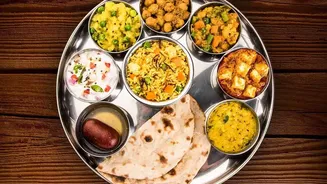
The Janmashtami fast, or 'vrat', is a spiritual practice for many devotees. It typically involves abstaining from grains like wheat and rice, lentils, onions, and garlic. Instead, a 'phalahar' diet is observed, which includes fruits, dairy products, and specific
fasting-friendly flours and ingredients. The focus is on sattvic foods, which are considered pure and easy to digest, providing sustained energy for a day of prayer and celebration. The most common salt used is rock salt, or 'sendha namak'. This culinary discipline gives rise to a surprisingly diverse and delicious array of dishes that are both nourishing and festive.
Sabudana Khichdi
A staple across fasting menus in India, Sabudana Khichdi is a beloved fixture during Janmashtami. Made from soaked tapioca pearls (sabudana), it is a light yet filling dish. The pearls are sautéed in ghee with cumin seeds, chopped green chillies, and boiled potato cubes. A generous addition of coarsely crushed roasted peanuts provides a delightful crunch and texture. Often finished with a squeeze of lemon juice and a garnish of fresh coriander, this dish is a perfect balance of soft, crunchy, tangy, and savoury flavours.
Kuttu ki Puri with Vrat Wale Aloo
No festival feels complete without some form of puri, and Janmashtami fasting is no exception. Kuttu ka atta (buckwheat flour) is a popular grain alternative used during vrat. The flour is kneaded into a dough, often with mashed potatoes to keep it soft, and then rolled out and deep-fried into fluffy, slightly nutty-flavoured puris. These are most famously paired with Vrat Wale Aloo, a simple and comforting potato curry. This curry is made without onions or garlic, using tomatoes, green chillies, and sendha namak to create a flavourful gravy that perfectly complements the earthy taste of the kuttu puris.
Rajgira or Singhare ke Pakore
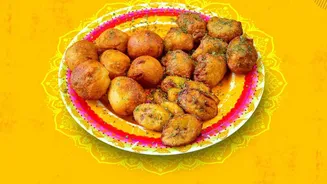
For those craving a crispy snack, pakoras made from fasting flours are the answer. Singhare ka atta (water chestnut flour) or rajgira ka atta (amaranth flour) are used to create the batter. Sliced potatoes or other vrat-friendly vegetables are dipped in a spiced batter of one of these flours, rock salt, and herbs, then fried until golden and crisp. These pakoras are often served with a mint-yogurt dip or a simple coriander chutney, offering a satisfying and crunchy bite that breaks the monotony of softer fasting foods.
Samak Rice Pulao or Khichdi
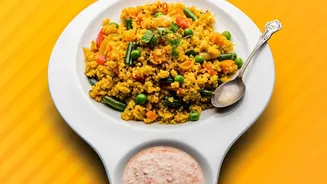
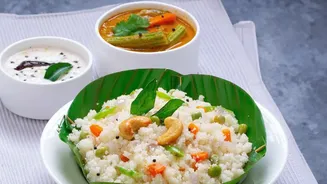
Samak rice, also known as barnyard millet, is a fantastic substitute for regular rice during fasting periods. It can be prepared as a simple pulao or a more wholesome khichdi. For the pulao, the millet is cooked with ghee, cumin seeds, and vegetables permitted during fasting, like potatoes and tomatoes. The khichdi version is a comforting, porridge-like dish that is easy on the stomach and provides steady energy. Both preparations are flavourful, nutritious, and offer a comforting, grain-like experience that keeps one feeling full and satisfied through the day's rituals.
Aloo Paneer Tikki
Aloo Paneer Tikki is a savoury patty that feels indulgent while adhering to fasting rules. It combines mashed boiled potatoes with grated paneer (Indian cottage cheese), which adds protein and a creamy texture. The mixture is seasoned with chopped green chillies, cumin powder, and sendha namak, then shaped into discs. These tikkis are typically pan-fried in ghee until the outside is golden and crisp, while the inside remains soft and flavourful. Served hot, often with a side of coriander chutney, they are a delicious snack or part of a larger fasting platter.