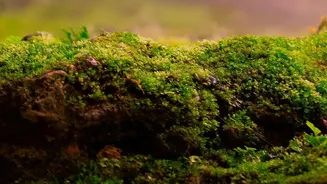







A lush, velvety moss garden can transform a shady corner into a tranquil, green oasis. Unlike many garden plants, success with moss isn't about rich soil or fertilizer; it's about working with nature and choosing the right plant for the right spot.
The Allure of the Moss Garden
Moss
gardens offer a unique aesthetic that is both ancient and modern. They provide a serene, green carpet that requires no mowing, minimal weeding, and no fertilizer. Moss is an excellent solution for shady, damp areas where grass struggles to grow. These ancient plants help retain soil moisture, prevent erosion, and create a microhabitat for beneficial insects. They are remarkably resilient and, once established, can be one of the most low-maintenance features in your landscape, asking for little more than occasional watering and being kept clear of fallen leaves.
Understanding the Two Main Moss Types
Before you choose a moss, it helps to know the two primary growth habits: acrocarpous and pleurocarpous. Acrocarpous mosses, like pincushion moss (Leucobryum) or haircap moss (Polytrichum), grow in upright, clumping mounds. They grow in height before spreading outwards and are excellent for creating texture and dimension. Pleurocarpous mosses, such as sheet moss (Hypnum) or fern moss (Thuidium), grow horizontally in a creeping, carpet-like fashion. These are the best choice for covering large areas to create a 'moss lawn' effect. Knowing this distinction is key because they have different needs; acrocarps often prefer to dry out between waterings, while pleurocarps like more consistent moisture.
Match Your Moss to Your Light
The single most important factor for success is matching your moss to its preferred light conditions. Most moss species thrive in partial to full shade, as direct sun can scorch their delicate leaves. Walk around your intended garden space at different times of day to accurately assess how much light it gets. Areas under trees or on the north side of a structure are often ideal. Some varieties like sheet moss (Hypnum) and rock cap moss (Dicranum) do well in deep shade. Others, such as haircap moss (Polytrichum), can tolerate partial sun if the soil stays moist enough. For sunnier, drier spots, certain species like Bryum moss (often called sun moss) are specifically adapted to handle more light.
Get a Feel for Moisture
Mosses absorb water and nutrients directly through their leaves, not a deep root system. This is why moisture is so critical. While many associate moss with constantly damp conditions, they are surprisingly drought-tolerant and can go dormant when dry, greening up again with the next rain. For a new garden, consistent moisture is vital for establishment. Observe your site: does water pool after rain, or does it drain away quickly? Most mosses prefer well-drained soil, as standing water can cause them to rot. Species like carpet moss and sheet moss are good for reliably moist soil, while others like cushion moss can handle drier periods once established.
Preparing the Perfect Foundation
Preparing the ground for moss is the opposite of preparing for a traditional lawn. First, clear the area of all weeds, grass, and debris like fallen leaves. Moss doesn't compete well with other plants. Next, instead of tilling or loosening the soil, you want to compact it. Walk over the area to create a firm surface. Mosses generally prefer slightly acidic soil, with a pH between 5.0 and 6.0. If your soil is too alkaline, you can add sulfur to gently lower the pH. Once compacted, lightly scratch the surface with a rake to give the moss's tiny anchoring structures, called rhizoids, something to grip onto.
Planting Your Moss
There are two main ways to plant moss. The simplest is to transplant live moss. Break your moss into smaller pieces and press them firmly onto the prepared, damp soil, leaving small gaps in between for them to grow and fill in. Ensure good contact with the ground to eliminate air pockets. The second method is creating a 'moss slurry'. This works well for covering rocks or other uneven surfaces. In a blender, combine fragments of moss with buttermilk, beer, or water and blend into a thick paste. You can then paint this mixture onto the desired surface. Whichever method you use, keeping the area consistently moist for the first few weeks is crucial for establishment.