




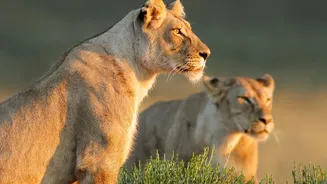
A Landmark Return to Barda
For well over a century, the story of the Asiatic lion was tied exclusively to one place: the Gir Forest. But as the lion population grew, concerns mounted about the risks of having the entire species concentrated in a single location. A disease outbreak
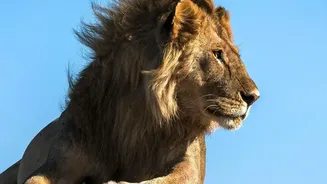
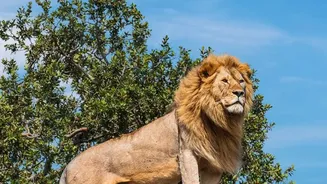
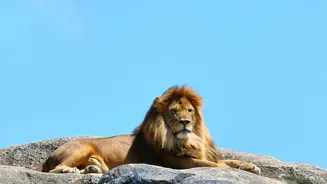
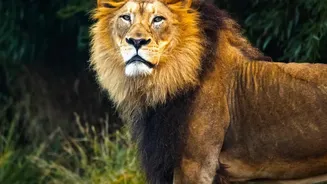
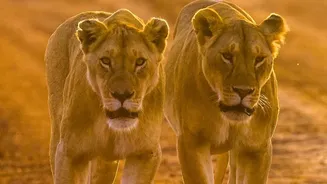
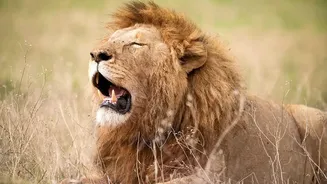
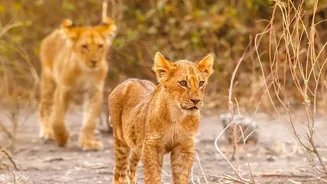
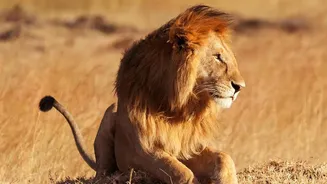
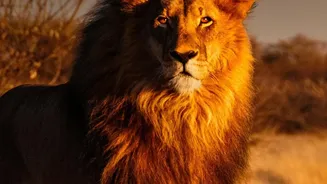
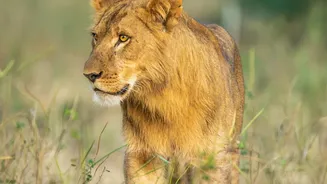
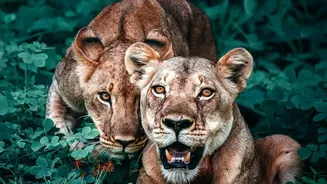
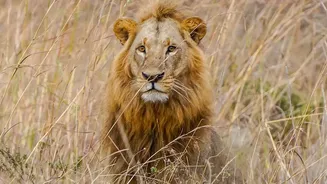
or natural disaster could be catastrophic. This led to a long-running search for a second home. The Barda Wildlife Sanctuary, located about 100 kilometres from Gir, was identified as a promising candidate. The landscape of rugged hills and forests was deemed a suitable habitat. The historic moment came in January 2023, when a male lion naturally dispersed into the sanctuary, marking the species' return after nearly 150 years. To bolster this new population, the Gujarat Forest Department later introduced five females, officially beginning a new chapter in lion conservation.
Decoding the Diet
Establishing a new lion population is about more than just moving the animals; it requires ensuring the ecosystem can support them. A critical piece of this puzzle is the availability of prey. To understand what the Barda lions were eating, researchers from the Wildlife Institute of India conducted a detailed study, fitting six lions with radio collars to track their movements and analysing their scat to determine their diet. Published in the scientific journal PLOS One, the study provided the first concrete evidence of how these apex predators are adapting their hunting habits to the new environment. The findings were both clear and significant for the future of the sanctuary.
The Unexpected Star: Wild Pigs
The dietary analysis revealed a standout prey species: the wild pig. According to the study, wild pigs (Sus scrofa) accounted for 55% of the lions' diet based on occurrence in scat samples. This indicates a strong reliance on this particular animal. The reason appears to be straightforward—availability. Studies of the prey base in Barda show that wild pigs are the most numerous ungulate, with an estimated density of nearly 11 individuals per square kilometre. This is significantly higher than other potential prey like nilgai (blue bull) and the scarce spotted deer. Essentially, the lions are hunting what is most abundant. While lions in Gir have a more varied diet that includes larger prey like sambar and spotted deer, the Barda lions have adapted to what the local menu offers.
More Than Just Wild Prey
While wild animals form the bulk of their diet, the study also found that domestic cattle made up 17% of the lions' food source. This is an important, if concerning, finding. It highlights the potential for human-lion conflict as the predator population grows and interacts with the pastoral communities living around the sanctuary. To address this, conservation efforts are focused on strengthening the wild prey base. The Forest Department has been actively augmenting the sanctuary's herbivore population by reintroducing hundreds of spotted deer (chital) and sambar, both through captive breeding programs and by translocating them from Gir. The goal is to create a richer, more diverse prey population that can sustain the lions entirely within the sanctuary, reducing their dependence on livestock and ensuring a more stable coexistence.
A Sign of a Promising Future
The lions' reliance on wild pigs is a testament to their adaptability. It shows that these magnificent predators can carve out a living even in an ecosystem with a different prey composition than their ancestral home in Gir. The findings from the recent study suggest that Barda offers a suitable habitat and the necessary resources to support a long-term, viable lion population. While the current prey base is skewed towards wild pigs, ongoing augmentation efforts are set to create a more balanced ecosystem. The success of the Barda lions is not just a local victory; it's a crucial step in securing the future of the entire Asiatic lion species by establishing a vital second, independent population.