



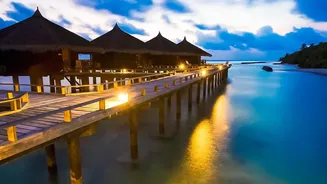


The Anatomy of a Perfect Photo
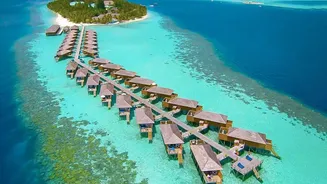
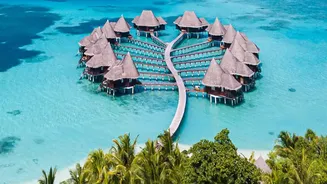
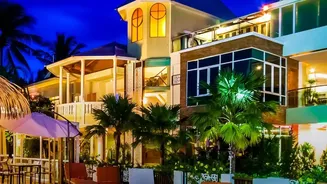
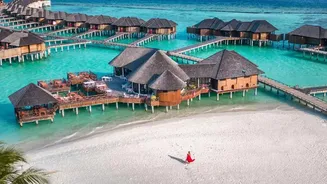
The difference between a resort's marketing photos and the guest experience often comes down to professional photography tricks. Photographers use ultra-wide-angle lenses, typically around 14mm, which make spaces look dramatically larger than they are.
This effect exaggerates the distance between objects, turning a cramped room into what looks like a spacious suite. They also shoot from low angles to make ceilings feel higher and rooms more voluminous. Lighting is another key element. Professionals use techniques like High Dynamic Range (HDR), blending multiple exposures to create a perfectly lit scene where both the room's interior and the bright view outside are crystal clear—a balance that doesn't exist in reality. Add aggressive staging, where clutter like cables and trash bins are removed and pillows are pinned to look flawless, and you have an image of perfection that may be years old, captured right after a renovation.
Reading Between the Lines of 'Ocean View'
Beyond the images, the words used in resort marketing can be just as misleading. Vague terms are often used to describe views, and they rarely mean what you think. According to travel agent Victoria Fricke, a 'tropical view' or 'resort view' could technically be a view from any window on the property, including one overlooking a service area. The term that tricks most travellers is 'partial ocean view'. This can mean anything from a sliver of blue visible between buildings to a distant glimpse of water. 'Ocean view' guarantees you’ll see the sea, but offers no promise of how much or how close it will be. Often, the promotional photo will be taken from the very best room in that category. If you desire an unobstructed view of the water, the only term you can truly rely on is 'oceanfront'.
Your Pre-Booking Investigation Checklist
To avoid disappointment, a little detective work before you book goes a long way. Your first step should be to find recent, unedited photos taken by other travellers. Scour review sites like TripAdvisor and Google for guest photos that show the property in its current state, not as it was five years ago. Look for mentions of the specific amenities you care about. If a pool is your priority, search recent reviews for the word 'pool' to check for comments about its size, cleanliness, or crowding. Don't assume an amenity shown in photos is included with your stay. Spas, certain pools, and kids' clubs may require extra fees or be restricted to specific room types. Before booking, make a list of 'must-have' facilities and confirm their availability and any associated costs for your travel dates.
What to Do When Reality Disappoints
If you arrive and the room or resort doesn't match what was advertised, it's crucial to act immediately. Don't unpack. The first step is to document the evidence. Take clear photos and videos showing the discrepancy, whether it's a missing balcony, a filthy room, or a view of a brick wall instead of the sea. Next, go to the front desk, calmly present your evidence, and state your booking details and the problem. Be specific about what you want, whether that's a different room that matches the description, a partial refund, or access to the promised amenity. Most hotels want to avoid negative reviews and will try to resolve the issue on the spot. If the front desk is unhelpful, escalate the complaint in writing to the hotel manager and, if you used one, the booking platform.