

Garam Masala: The Warming Finisher
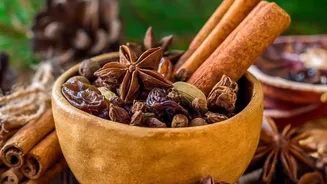
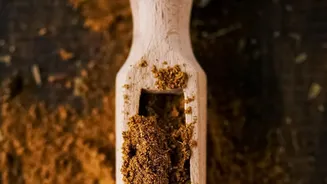
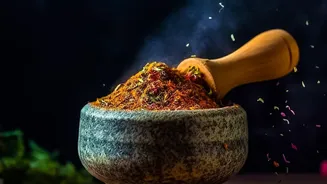
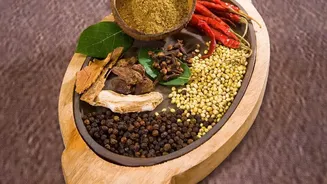
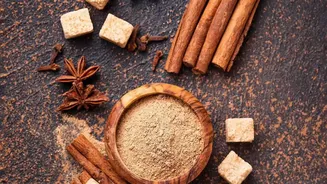
Garam masala, which translates to 'warming spice blend', is perhaps the most famous of Indian masalas. Contrary to what some believe, its name refers to the warming effect these spices have on the body in Ayurvedic tradition, not their chilli heat. Recipes
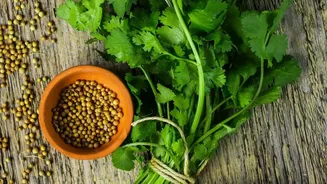
vary across regions and households, but most North Indian versions feature a base of cinnamon, cloves, cardamom, cumin, coriander, and black pepper. Unlike other masalas used to build a flavour base, garam masala is a finishing spice. Its volatile aromatic compounds are best preserved by adding it in the last few minutes of cooking or sprinkling it over a finished dish. A pinch stirred into dal, sabzi, or a rich curry just before serving provides a final burst of fragrance and complexity.
Chaat Masala: The Tangy Finisher
If you love the zesty, addictive taste of Indian street food, you are a fan of chaat masala. This is a finishing blend designed to be sprinkled on food just before it's eaten, never cooked. Its signature tangy and slightly sulphurous flavour comes from two key ingredients: amchur (dried green mango powder) for sourness and kala namak (black salt) for a savoury, eggy note. It's the secret weapon that makes everything from fruit salad to pakoras instantly more exciting. Try sprinkling it over sliced cucumbers and tomatoes for a simple salad, tossing it with roasted potatoes, or adding a dash to your lemonade for a refreshing nimbu pani. It provides a powerful punch of salty, sour, and savoury flavours that awaken the palate.
Panch Phoron: The Whole Spice Temper
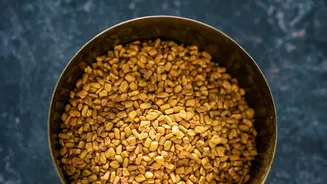
Hailing from Eastern India, particularly Bengal, panch phoron means 'five spices'. It is a unique blend because it consists entirely of whole seeds, which are never ground. The classic five ingredients, typically used in equal parts, are fenugreek (methi), nigella (kalonji), cumin (jeera), black mustard (rai), and fennel (saunf). Its primary use is in tempering, or 'tadka'. The whole spices are sizzled in hot oil or ghee at the beginning of the cooking process, releasing their distinct aromas and flavours into the oil. This infused oil then becomes the flavour base for dals, vegetable dishes like aloo posto, and fish curries. The seeds provide not just flavour but also a wonderful texture. The bitter notes of fenugreek are balanced by the sweetness of fennel, creating a complex starting point for any dish.
Baharat: The All-Purpose Middle Eastern Gem
While not native to India, the Middle Eastern blend Baharat has found a welcome home in many modern Indian kitchens due to its versatility. The name simply means 'spices' in Arabic. Like garam masala, it is a warming blend, but its profile is slightly different. A typical mix includes black pepper, cumin, coriander, cinnamon, cloves, cardamom, and nutmeg, with some versions including paprika or even rose petals for a floral note. Baharat is a true all-purpose seasoning. It can be used as a dry rub for chicken or lamb before roasting, stirred into lentil soups and stews for depth, or used to season rice and vegetable pilafs. Its warm, earthy, and subtly sweet flavour profile complements many Indian dishes without overpowering them, making it an excellent bridge between cuisines.
Za'atar: The Herby, Nutty Topper
Another wonderful import from the Middle East, Za'atar is a blend of dried herbs, toasted sesame seeds, and tangy sumac. The herb component is usually a mix of thyme, oregano, and marjoram. The flavour is a delightful combination of earthy, herbaceous notes from the herbs, a nutty crunch from the sesame seeds, and a bright, lemony tang from the sumac. While traditionally used to top flatbreads with olive oil (man'oushe) or to season labneh, its uses are endless. For an Indian context, think of it as a fantastic finishing spice. Sprinkle it over scrambled eggs or anda bhurji, use it to season roasted vegetables like cauliflower or potatoes, or mix it with yogurt to create a zesty dip for kebabs and snacks. It offers a completely different flavour profile from traditional Indian masalas, focusing on herby freshness and texture.