



Why The Monsoon Is Your Friend
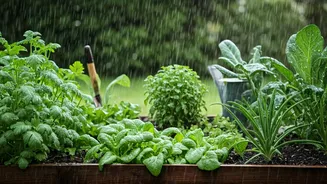
Gardening during the monsoon might seem counterintuitive. Won't the heavy rains just wash everything away? While there are challenges, the season offers unique advantages. The high humidity helps seeds germinate faster and supports lush foliage growth.
The frequent rain means you’ll spend less time watering your plants. The key is not to fight the rain, but to work with it. The secret lies in one word: drainage. If you can ensure excess water has a place to go, you can harness the monsoon's life-giving power for a thriving garden on your balcony, terrace, or windowsill.
Choosing Your Monsoon Champions
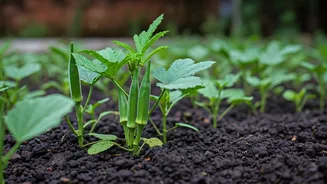
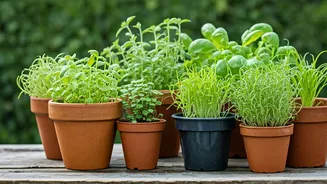
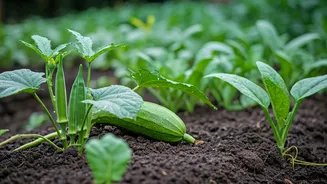
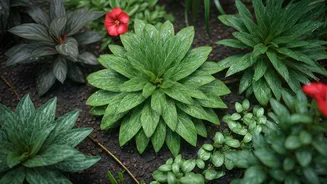
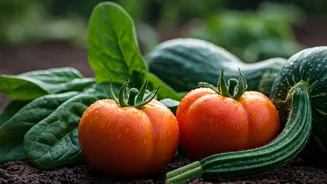
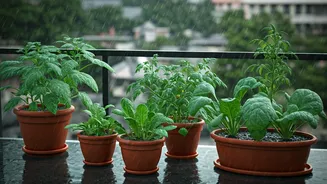
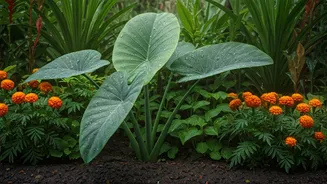
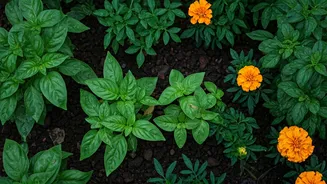
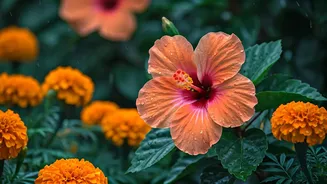
For your first monsoon garden, it’s best to choose plants that love water and are relatively low-maintenance. These hardy varieties will give you the confidence boost you need. **Vegetables:** Opt for fast-growing veggies that can be harvested within the season. Ladies' finger (bhindi), cucumber (kheera), chillies (mirch), and gourds like bottle gourd (lauki) are excellent choices. Leafy greens like spinach (palak) and amaranth (chaulai) also do well, but may need some protection from heavy downpours. **Herbs:** Fresh herbs can elevate any meal. Monsoon is the perfect time to grow mint (pudina), basil (tulsi), and lemongrass. Coriander (dhania) can be grown, but sow seeds every few weeks for a continuous supply. **Flowers:** To add a splash of colour, plant flowers that flourish in the rain. Marigolds (genda), balsam (gulmehndi), zinnias, and cosmos are vibrant, easy to grow, and remarkably resilient to wet conditions.
The Perfect Potting Mix
The most common mistake beginners make during the monsoon is using heavy, clay-like soil that holds too much water. This leads to waterlogging, which suffocates the plant's roots and causes them to rot. Your goal is to create a light, airy, and well-draining potting mix. A simple, effective recipe for beginners is to combine equal parts of three ingredients: 1. **Garden Soil:** The basic foundation. 2. **Compost or Vermicompost:** This provides essential nutrients for your plants to grow strong. 3. **Cocopeat or Sand:** This is the magic ingredient for drainage. Cocopeat (made from coconut husks) or coarse sand prevents the soil from compacting and allows excess water to flow through freely. Mix these three components thoroughly before filling your pots. This balanced mix ensures your plants get the moisture they need without sitting in a puddle.
Container and Placement Strategy
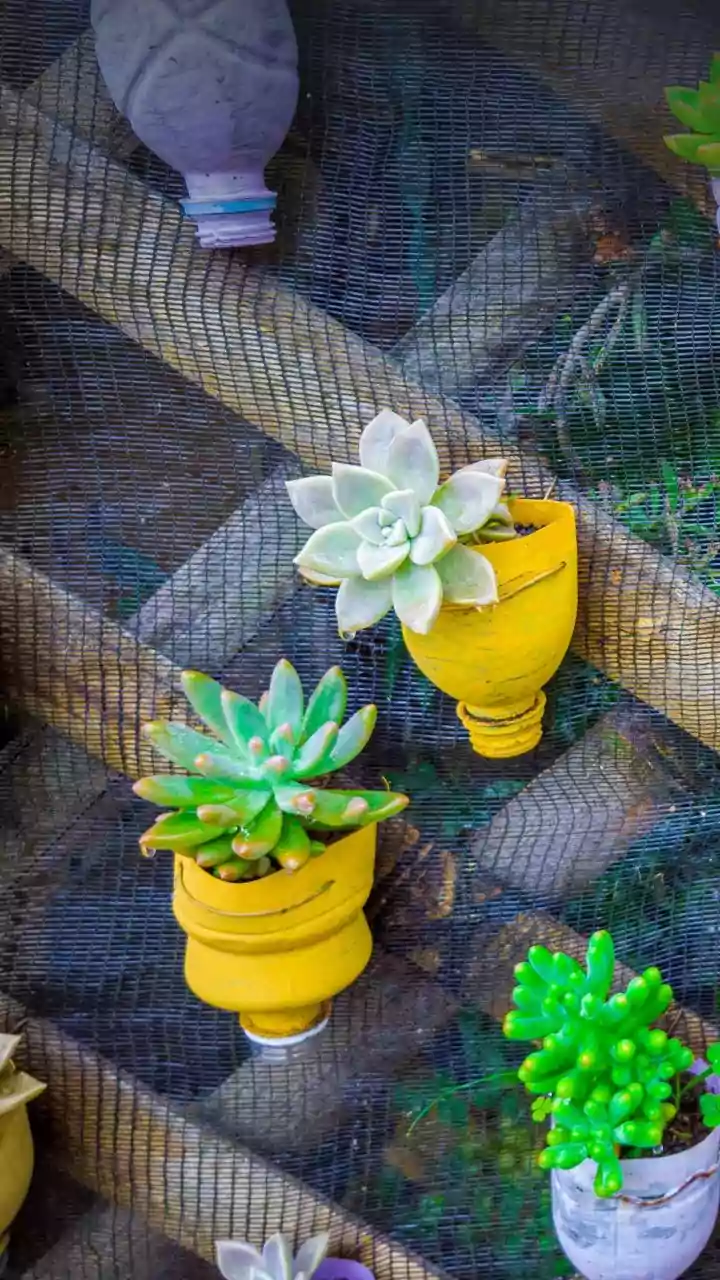
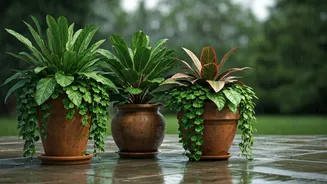
Your choice of container is just as important as the soil. Always use pots with at least one, preferably multiple, drainage holes at the bottom. Terracotta or clay pots are fantastic as they are porous and allow roots to breathe. If you're using plastic pots, ensure the drainage holes are clear and not blocked. You can even place a few small stones or broken pot shards at the bottom before adding soil to improve drainage further. Where you place your pots matters, too. Most monsoon plants need about 4-6 hours of sunlight. Position them where they can get adequate morning sun but are perhaps shielded from the most intense, lashing rain of the afternoon, like under an eave or a small overhang.
Monsoon Care and Maintenance
Once your garden is planted, a few simple care routines will keep it healthy. First, don't overwater. The rain will do most of the work for you. Before watering, stick your finger an inch into the soil. If it feels damp, wait another day. Second, be vigilant about pests. The damp conditions are a breeding ground for slugs, snails, and fungal diseases. A simple spray of neem oil mixed with water and a drop of liquid soap can act as a natural, preventive pesticide. Apply it once every 10-15 days. Finally, some vining plants like gourds and cucumbers will need support. Install a small trellis or use strings to guide them upwards, which improves air circulation and prevents fruits from rotting on wet ground.