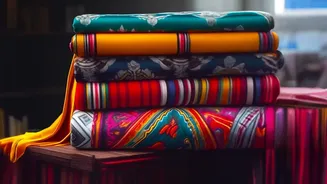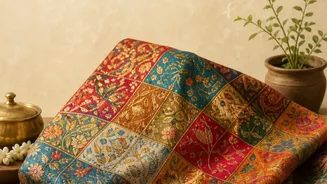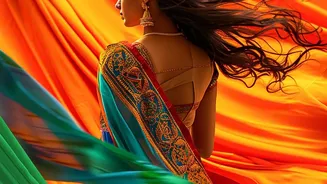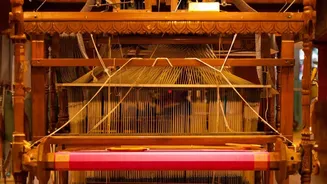

A quiet revolution is taking place in Indian fashion. Young, environmentally aware shoppers are looking past fleeting trends and finding beauty in heritage, making regional textiles coloured with natural dyes a powerful statement of style and substance.
A Conscious Shift Away from Fast Fashion
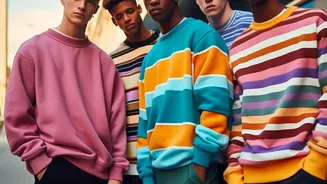
For years, the allure of fast fashion—with its endless novelty and low prices—dominated wardrobes. But a growing awareness of its environmental and social costs is causing a significant shift in consumer behaviour, especially among Gen Z and millennials. This generation, armed with information and a desire for authenticity, is increasingly rejecting mass-produced goods that feel temporary and lack a meaningful backstory. They are seeking products that align with their values, prioritizing sustainability, ethical production, and transparency. This has paved the way for a resurgence of 'slow fashion', where quality, durability, and craftsmanship are prized over quantity. In India, this movement is deeply personal, leading shoppers back to the country's rich textile heritage.
The Gentle Power of Natural Dyes
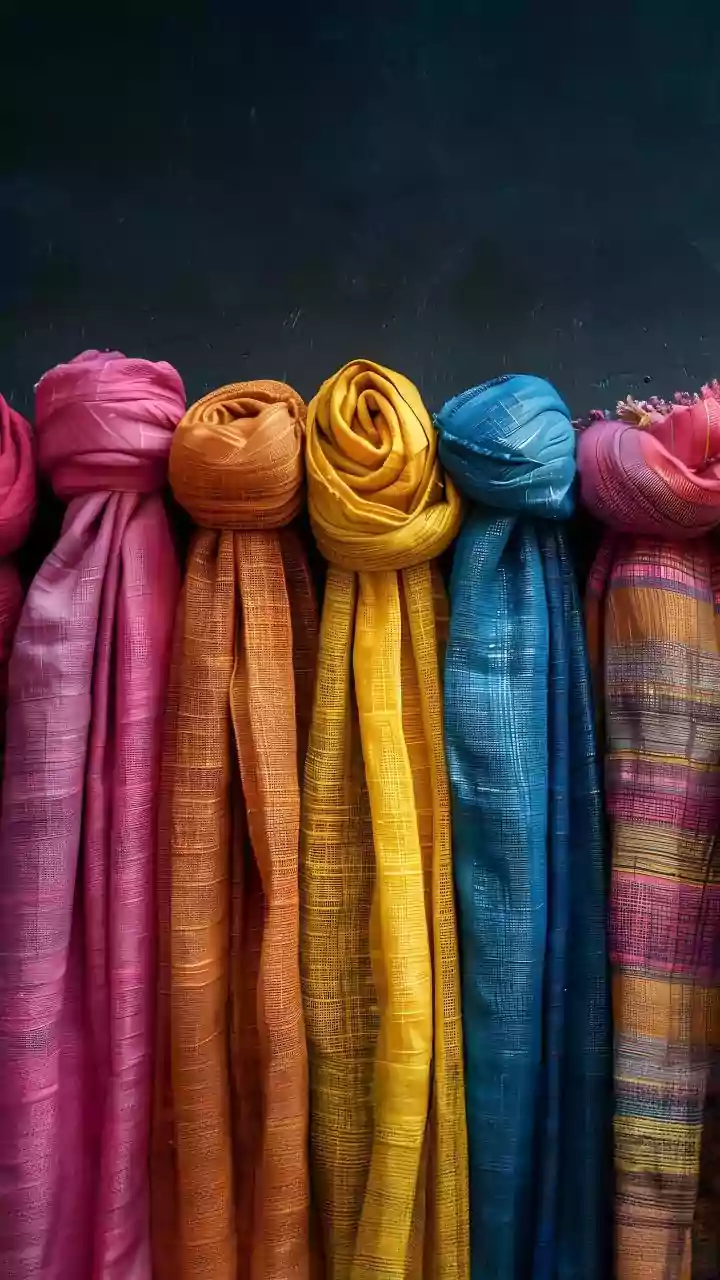
At the heart of this trend is a renewed appreciation for natural dyes. Derived from plants, minerals, and even insects, these dyes are biodegradable, non-toxic, and far gentler on the planet than their synthetic counterparts. The conventional textile industry is a major polluter, with chemical dyes often contaminating water systems. Natural alternatives, sourced from materials like turmeric (yellow), madder root (red), and indigo (blue), have a much lower environmental footprint. This eco-friendly production process resonates strongly with young consumers who want their choices to contribute positively to the environment. Furthermore, fabrics coloured with natural dyes are often hypoallergenic and safer for sensitive skin, adding a wellness dimension to their appeal.
Weaving Heritage into Modern Style
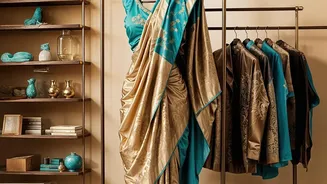
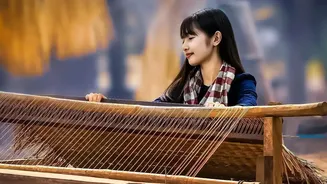
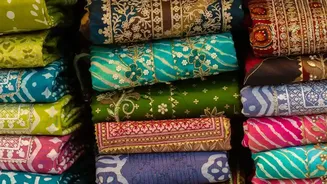
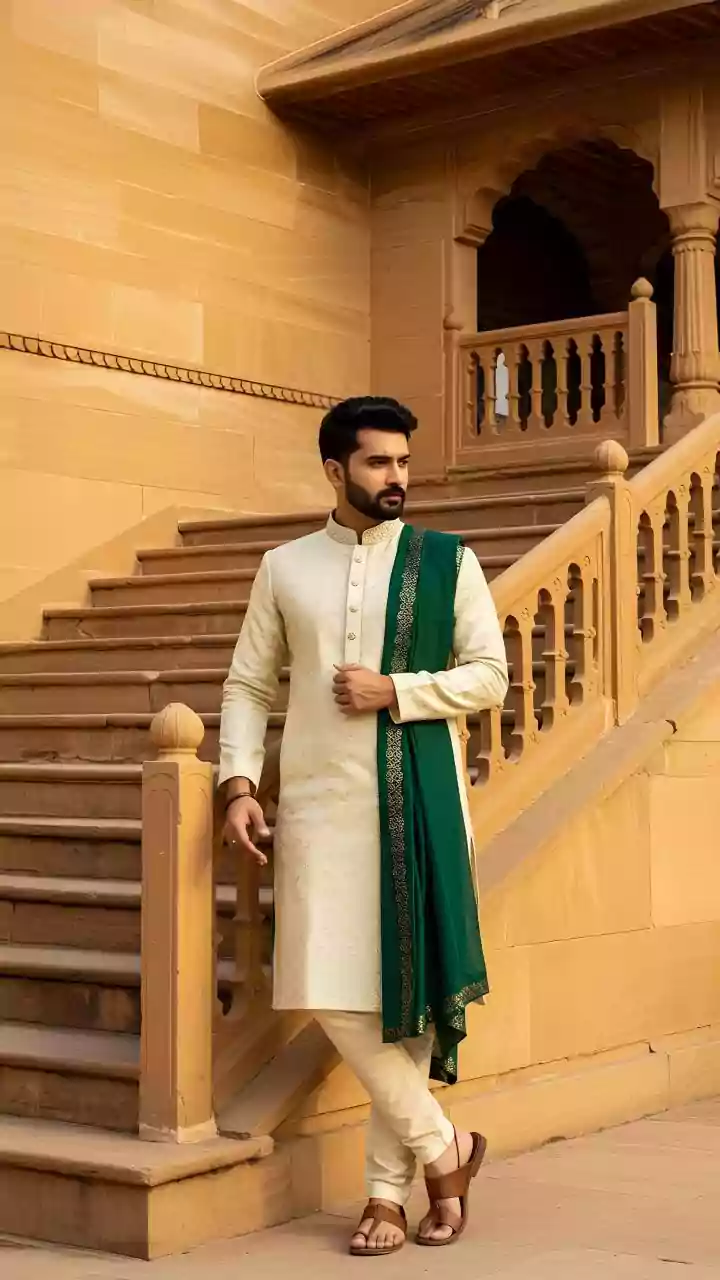
This movement is not about recreating the past, but reinterpreting it for modern life. Regional textile arts that have been passed down for generations are finding new, vibrant expressions. Ancient block-printing techniques like Ajrakh from Gujarat and Rajasthan, known for their geometric patterns and deep, earthy tones, are being revived. Kalamkari, the hand-painted 'pen craft' from Andhra Pradesh that tells mythological stories, is no longer just for temple cloths but for contemporary sarees and blouses. The iconic tie-dye Bandhani from Gujarat and Rajasthan is also making a huge comeback, appearing on everything from kurtas to Indo-western capes. Designers are blending these traditional methods with modern silhouettes, making heritage feel current and accessible.
More Than a Purchase, It's an Identity
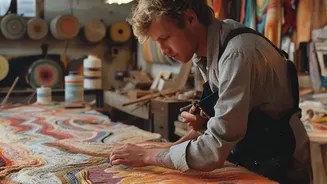
For young, eco-conscious shoppers, choosing a garment made with regional textiles and natural dyes is more than a simple transaction; it's a statement. In a world of digital uniformity, these unique, handcrafted pieces offer a sense of individuality and character. The slight variations in shade and pattern inherent in natural dyeing mean no two pieces are exactly alike. This choice also represents a connection to culture and a celebration of India's rich artisanal legacy. By supporting these crafts, consumers are not only preserving endangered art forms but also empowering the local artisan communities that depend on them. It's a way of wearing one's values, blending personal style with cultural pride and environmental responsibility.