





The Undisputed Reign of Convenience
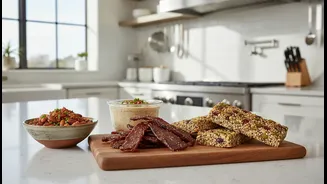
The protein bar’s rise was no accident. It perfectly captured the needs of a fast-paced, urban India. For busy professionals, gym-goers, and anyone needing a quick nutritional fix, these bars became the go-to solution. Promising a hefty dose of protein for
muscle repair, sustained energy, and a convenient alternative to unhealthy snacks, their appeal was undeniable. The Indian protein bar market, valued at over USD 130 Million in 2025, is a testament to this success, with brands becoming staples in office canteens and gym bags. They are marketed as the epitome of modern, functional food—a quick, no-fuss way to meet dietary goals in a world with no time to spare.
The Return of Traditional Powerhouses
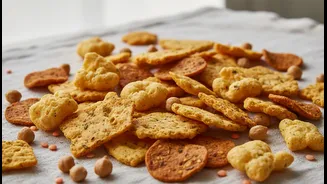
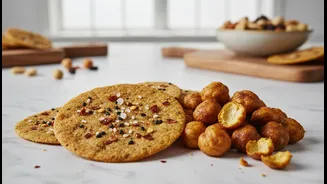
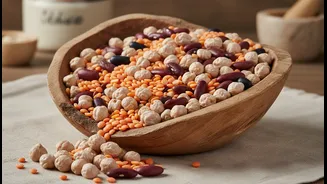
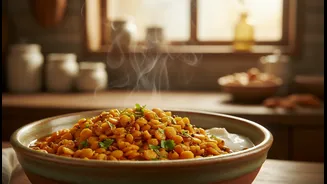
While protein bars dominated the new-age health conversation, traditional Indian snacks never truly left. Now, they are re-emerging as formidable competitors. Spiced pulses, such as roasted chana (chickpeas), and mixes of seeds like fennel, mustard, and fenugreek are stepping back into the spotlight. These are not just snacks; they are part of India's culinary heritage, now being recognised for their intrinsic health benefits. This resurgence is driven by a growing consumer desire for authenticity and transparency. The government's promotion of millets and traditional grains has also bolstered this trend, encouraging a return to familiar, wholesome ingredients.
A Nutritional Showdown
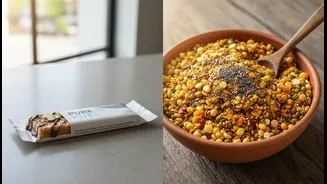
When placed side-by-side, the nutritional differences are stark. Many protein bars, while high in protein, can also be ultra-processed and contain hidden sugars, artificial sweeteners, and preservatives. Some use highly concentrated protein isolates, and the high-heat manufacturing process can destroy natural nutrients, which are then added back synthetically. In contrast, whole foods like pulses and seeds offer a more balanced nutritional profile. They are naturally rich in fibre, which aids digestion and promotes satiety, along with a wealth of micronutrients like magnesium and iron in their most bioavailable form. While a protein bar might offer more protein gram-for-gram, traditional snacks often provide a broader spectrum of nutrients without the chemical load.
The Clean Label Revolution
Perhaps the biggest driver of this shift is the 'clean label' movement. Indian consumers are more discerning than ever, and they are reading the fine print. According to a recent report, 62% of respondents identify ingredient transparency as the most important factor when choosing a snack brand. Consumers are increasingly wary of long, unpronounceable ingredient lists and are opting for products they understand. A simple packet of spiced chickpeas contains ingredients found in any Indian kitchen, offering a sense of trust and safety that many complex protein bars struggle to match. This desire for naturalness is profound, with 61% of consumers preferring snacks sweetened with natural ingredients like dates and jaggery over refined sugar.
The Verdict on Value and Taste
Beyond nutrition, cost and culture play a significant role. Traditional snacks are often more affordable and accessible than their premium, packaged counterparts. Furthermore, there's a deep-seated cultural connection. The flavours of roasted cumin, coriander, and other spices are deeply ingrained in the Indian palate. While the healthy snacking market is growing, studies show that consumers are not entirely replacing traditional snacks but supplementing them. The ultimate winner will be brands that can deliver on health without sacrificing the authentic taste that consumers crave. The challenge for protein bars is to match the clean profile and flavour familiarity of their traditional rivals, while the challenge for traditional snacks is to maintain their convenience and scale.