






Choose Your Destination Wisely
Not all destinations are created equal during the rainy season. While the allure of lush landscapes is strong, some areas pose significant risks. Hill stations in regions like Uttarakhand and Himachal Pradesh, for instance, can be prone to landslides,
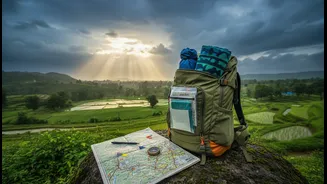
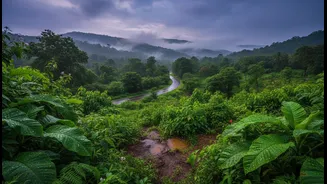
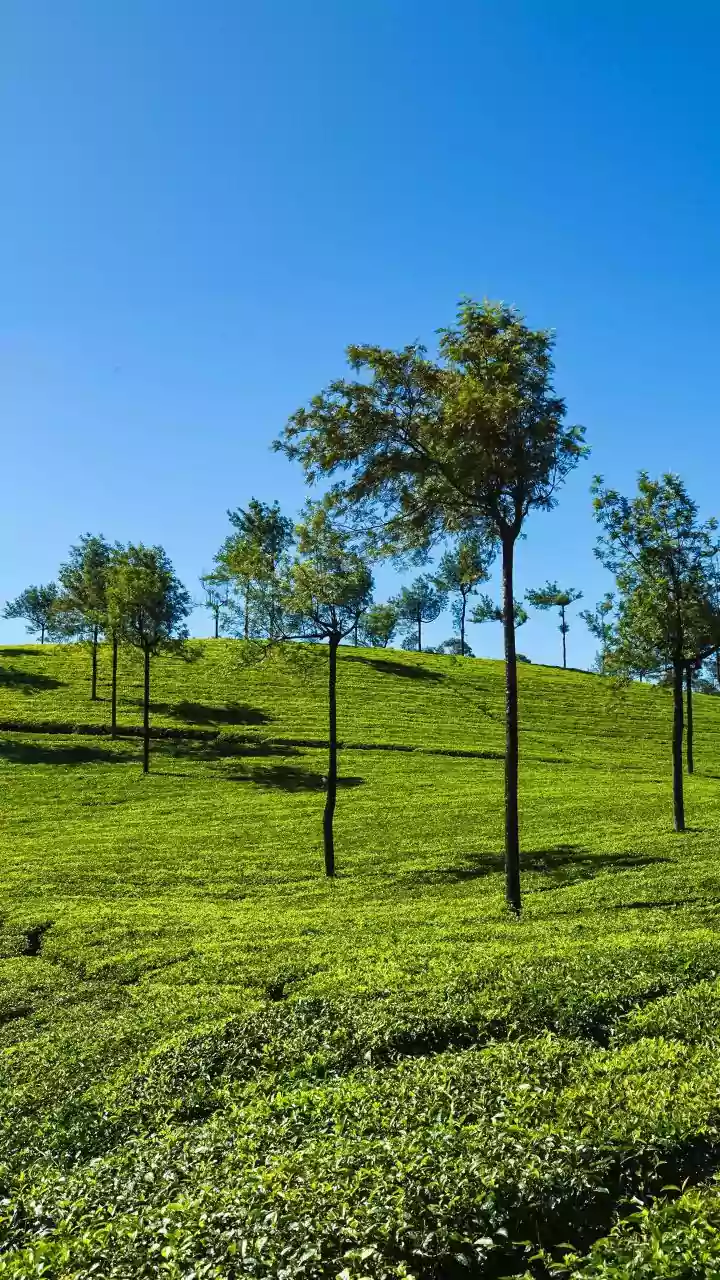
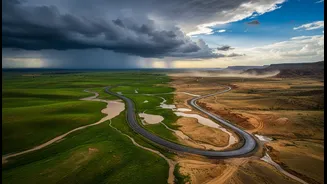
and travel is often disrupted. Similarly, many beach destinations like Goa see rough seas and the closure of shacks and water sports. Conversely, some places flourish. Areas in Rajasthan, which receive less intense rainfall, offer a unique charm as the landscape turns green. Destinations like Munnar in Kerala, Coorg in Karnataka, and parts of Meghalaya are well-prepared for tourists and showcase the monsoon at its most beautiful. The high-altitude desert of Ladakh remains largely dry, making it a prime location for travel between June and September. Before booking, always research local conditions and advisories for your chosen spot.
Plan for Delays and Flexibility
Monsoon travel demands a flexible mindset. Heavy rains can cause sudden flight or train delays, and waterlogged roads can lead to long traffic jams. It's wise to build buffer time into your itinerary, especially for connecting journeys. Avoid scheduling activities back-to-back. Booking accommodations with flexible cancellation policies is a smart move, as it allows you to adapt if weather conditions worsen. Checking traffic updates and road conditions on navigation apps before you head out can save you from getting stuck in flooded areas. Always have a backup plan, such as identifying indoor attractions like museums or cafes, in case a day of sightseeing gets rained out.
Pack Smart, Not Heavy
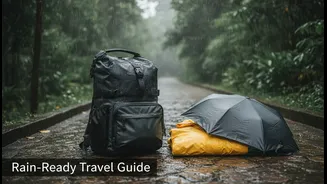
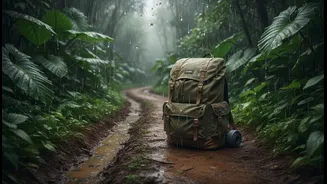
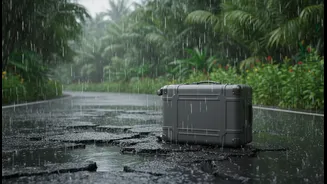
Your packing list is your first line of defense. Opt for lightweight, synthetic, and quick-drying clothes instead of heavy fabrics like cotton or denim, which take a long time to dry. A reliable waterproof jacket, a foldable umbrella, and waterproof footwear with a good grip are non-negotiable. To protect your belongings, use waterproof backpacks or carry rain covers for your luggage. It is especially important to keep electronics like phones and cameras in airtight, waterproof bags. An extra pair of clothes and a quick-drying towel can be lifesavers. Also, consider packing a power bank, as power cuts can be more frequent during this season.
Navigate Roads with Extreme Caution
Driving during the monsoon requires your full attention. Wet roads significantly reduce tyre traction and increase braking distances. It is crucial to reduce your speed, maintain a greater distance from the vehicle ahead, and avoid sudden braking to prevent skidding. Turn on your headlights for better visibility, even during the day. Never attempt to drive through waterlogged streets; the water can conceal deep potholes or open drains and may be powerful enough to stall your vehicle or cause you to lose control. Before any road trip, ensure your car is monsoon-ready by checking the tyres, brakes, and wipers.
Prioritise Health and Hygiene
The monsoon season sees a spike in water-borne and mosquito-borne diseases. To stay healthy, be vigilant about what you eat and drink. Avoid street food, especially items that are uncooked or have been sitting out. Stick to bottled or purified water to prevent stomach infections. Personal hygiene is also key; wash your hands frequently and consider carrying a hand sanitiser. Mosquitoes are rampant, so use a strong insect repellent and wear long-sleeved clothing to protect yourself from dengue and malaria. It's always a good idea to carry a basic first-aid kit with medicines for common ailments like colds, fever, and stomach issues.