




The Monsoon's Alluring Deception
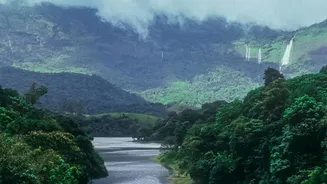
When the rains arrive, the Sahyadris shed their dry, brown coat for a vibrant green. Waterfalls cascade down ancient rock faces and a cool mist hangs in the air. It’s an irresistible call to adventure for city dwellers. However, this seasonal transformation
creates specific, often underestimated, hazards. The very rain that brings the beauty also makes trails treacherous. Basaltic and lateritic rocks, common in the Ghats, become notoriously slippery, feeling like glass underfoot. Continuous downpours can trigger landslides on steep slopes and cause poor visibility, making it easy to lose your way. What appears to be a gentle stream can swell into a raging, uncrossable torrent within hours due to heavy rain upstream.
When Trails Become Traffic Jams
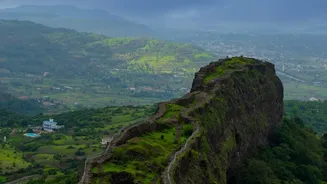
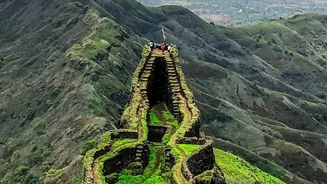
Long weekends lead to a massive influx of people on popular trails, a phenomenon that has become a significant safety concern. Popular forts and peaks near Mumbai and Pune can see thousands of trekkers on a single day, creating dangerous bottlenecks on narrow paths and steep rock-cut stairs. This overcrowding not only diminishes the serene experience but dramatically increases risk. The pressure of crowds can lead to slips and falls on congested sections, and in an emergency, it can be incredibly difficult for rescue teams to navigate. Furthermore, the heavy footfall damages the fragile ecosystem, causing soil erosion and disturbing wildlife. Choosing less popular trails or trekking on a weekday can offer a safer and more peaceful experience.
First Rule of a Safe Trek: Check for Bans
Before you even pack your bags, the most crucial step is to check for official advisories. In response to accidents and overcrowding, district authorities in Maharashtra and Karnataka frequently issue prohibitory orders, especially during the monsoon. Many popular waterfalls, forts, and trekking routes are often temporarily closed to the public under the Disaster Management Act. For instance, authorities in Karnataka now mandate online permits for most forest trails through the Aranya Vihara portal, with strict daily limits on the number of trekkers. Attempting to visit a banned location is not only illegal but extremely dangerous, as these closures are based on real-time risk assessments of weather and trail conditions. Always check the official websites of the local forest department and district collector before you go.
Essential Gear Is Non-Negotiable
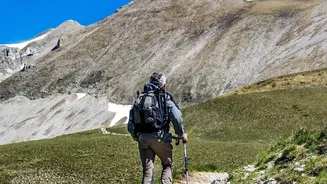
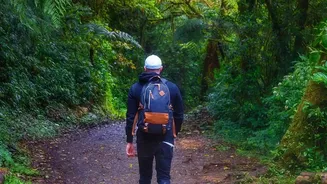
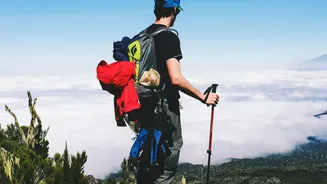
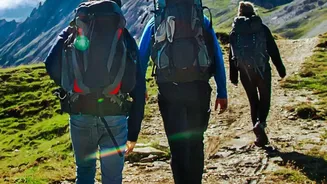
Wearing the right gear is not about comfort; it's about survival. The single most important item is a pair of trekking shoes with a deep-grooved, high-traction sole for gripping slippery, moss-laden rocks. Regular sports shoes or sneakers are inadequate and a primary cause of falls. Equally important are a reliable waterproof jacket and a rain cover for your backpack to keep yourself and your essentials dry. Your pack should include a basic first-aid kit, extra socks, high-energy snacks, and at least two litres of water. Given that mobile networks often fail in remote areas, a fully charged power bank is a modern necessity. Finally, leeches are common in the monsoon, so carrying salt or a sanitiser can help in dealing with them.
Respect the Elements and Local Expertise
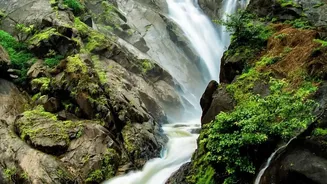
The mountains command respect, especially during the monsoon. A sudden downpour can dramatically increase the flow of waterfalls and streams, creating powerful currents that can sweep a person away. Never attempt to cross a swollen stream and avoid standing near the edge of cliffs or waterfalls for selfies, as the ground can be unstable. One of the smartest decisions a trekker can make is to hire a local guide, particularly on unfamiliar trails. They possess invaluable knowledge of the terrain, weather patterns, and safe passages. In states like Karnataka, hiring a certified guide is now mandatory on many official routes. They can spot dangers an inexperienced eye might miss and are trained to handle emergencies. Trekking alone is highly discouraged; always go in a group and inform someone of your itinerary.