


The Urban Hustle Demands Speed
The primary driver behind this snack evolution is the relentless pace of modern urban life in India. As more people move to cities for work, they face longer commutes, demanding jobs, and less time for traditional, slow-cooked meals. This time-scarcity
has created a massive demand for food that is ready-to-eat and easily accessible. However, unlike previous generations, today’s consumers are unwilling to consistently trade their health for convenience. They are acutely aware of the long-term impact of their dietary choices, leading them to seek out options that can fuel their busy days without the guilt or negative health effects of traditional fast food and junk food. This has created the perfect market conditions for snacks that deliver on both fronts.
A New Wave of Health Consciousness
Alongside the urban hustle, there has been a profound cultural shift towards health and wellness. Spurred by greater access to information online and a growing awareness of lifestyle diseases like diabetes, Indian consumers are more health-conscious than ever before. A 2025 consumer study found that 72% of respondents actively look for snacks with functional benefits. This isn't just about avoiding fat or sugar; it's about actively seeking positive attributes like high protein, high fibre, and natural ingredients. Consumers are reading labels, questioning additives, and prioritizing 'clean-label' products with ingredients they can recognize. This heightened awareness means that for a snack to be truly convenient, it must also align with their wellness goals.
Innovation in the Snack Aisle
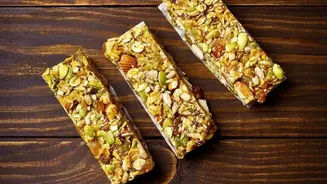
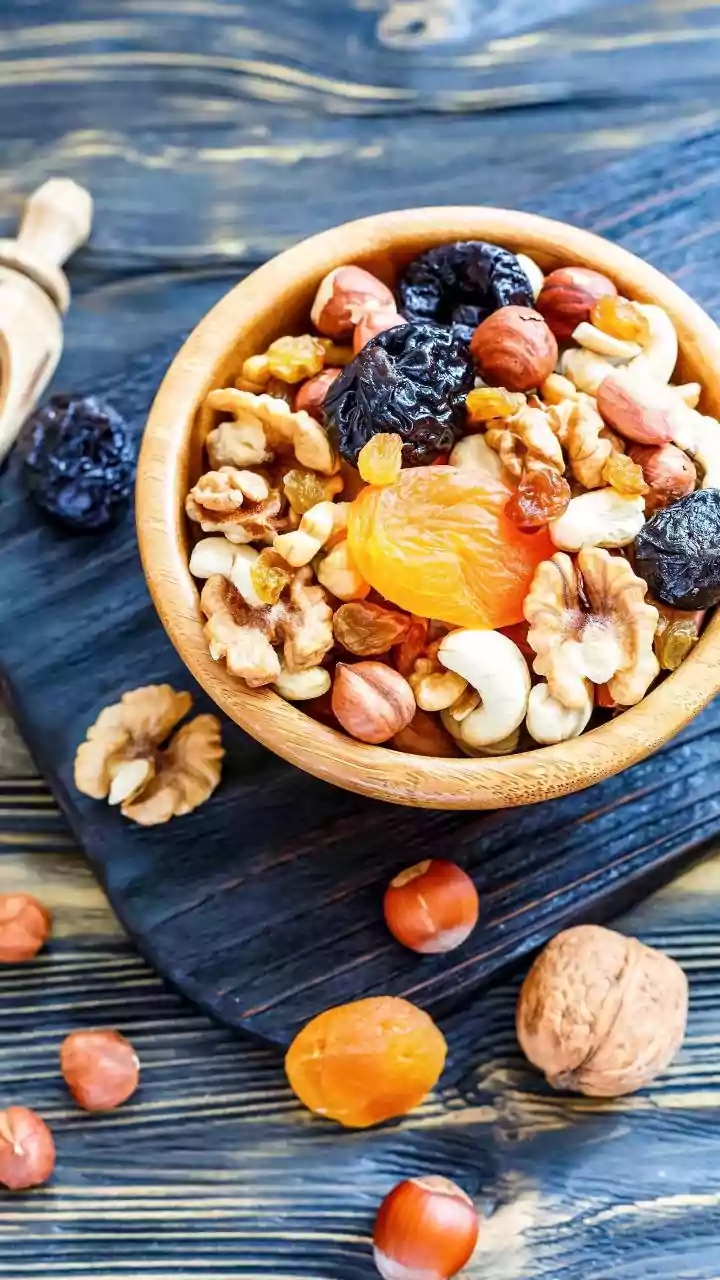
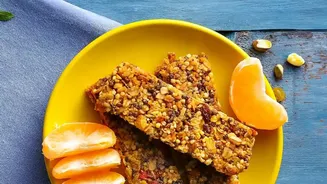
India's food industry has been quick to respond. A wave of innovation, led by both legacy giants and nimble startups, is redefining what a packaged snack can be. Traditional ingredients are being given a modern, convenient makeover. Roasted makhana (fox nuts) are now available in various flavours, offering a crunchy alternative to potato chips. Millets like ragi and jowar, once considered rustic staples, are now the hero ingredients in cookies, crackers, and breakfast bars. Even classic namkeens are being reinvented using healthier methods like baking instead of frying. The market is flooded with new options like protein bars, granola, baked lentil chips, and dried fruit mixes, all designed to appeal to the health-aware, time-poor consumer.
The Quick Commerce Revolution
The final piece of the puzzle is accessibility. The explosive growth of quick commerce and online retail platforms has made these healthy, convenient snacks available in minutes, not hours. A person feeling hungry at their desk can now open an app and have a protein bar, a pack of roasted nuts, or a fruit smoothie delivered to them instantly. This removes one of the last remaining barriers to healthy eating: planning ahead. In the past, convenience often meant grabbing whatever was closest, which was usually an unhealthy option from the corner store. Today, convenience means having a vast, curated selection of nutritious snacks available on-demand, fundamentally linking the desire for a quick bite with the ability to make a healthy choice.