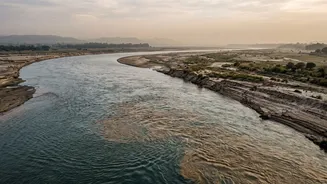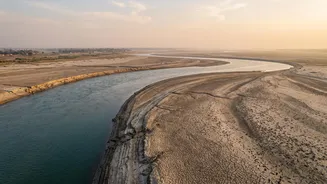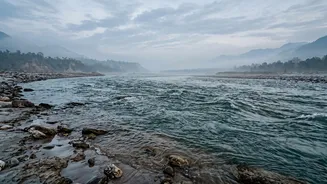






A cornerstone of India-Bangladesh relations for three decades, the Ganges Water Treaty, is set to expire on December 12, 2026. This impending deadline places a critical focus on the future of water sharing, regional stability, and diplomatic ties.
A Landmark of Regional Cooperation
Signed
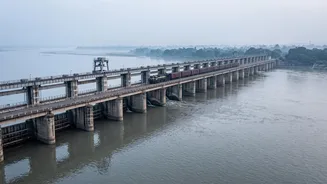
in 1996 by then-Prime Ministers H.D. Deve Gowda of India and Sheikh Hasina of Bangladesh, the Ganges Water Treaty was a diplomatic breakthrough. It ended years of friction over India's Farakka Barrage, a structure built in 1975 to divert water into the Hooghly River to preserve the navigability of Kolkata Port. The treaty established a 30-year formula for sharing the river's flow during the critical dry season, from January 1 to May 31 each year. It was hailed as a model of cooperation, providing a framework for managing a vital, shared resource and soothing a persistent bilateral irritant.
Why the Treaty Remains Vital
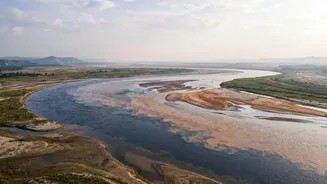
The Ganges, known as the Padma in Bangladesh, is the lifeline for one of the most densely populated river basins in the world, supporting over 655 million people across both nations. For Bangladesh, a lower riparian state, the river's flow is existential. It is crucial for agriculture, which forms the backbone of its economy, as well as for fisheries, navigation, and preventing salinity intrusion in its vast delta. For India, the Farakka Barrage's operation is essential for the health of the Kolkata Port, while the river's water also serves agriculture and industry in states like West Bengal and Bihar.
New Realities and Old Grievances
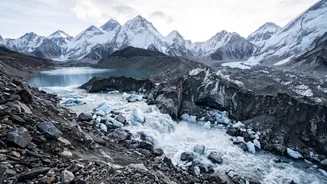
Thirty years after the pact was signed, the context has dramatically changed. Climate change is fueling more extreme weather, with scientists noting that droughts in the Ganges basin have become more severe. Himalayan glaciers that feed the river are retreating at an alarming rate, threatening to reduce dry-season flows in the long run. Simultaneously, grievances over the treaty's terms persist. Bangladesh has long argued that the 1996 pact lacks a minimum flow guarantee, leaving it vulnerable during periods of extreme scarcity. Officials in Dhaka are reportedly pushing for a new deal to include a guarantee clause similar to a 1977 accord.
The Geopolitical Undercurrents
The negotiations are not happening in a vacuum. A proposed deal to share the waters of another cross-border river, the Teesta, has been stalled since 2011, casting a long shadow over water diplomacy between the two neighbours. Furthermore, the political landscape in Bangladesh has shifted, adding a new layer of complexity to the talks. Within India, there is pressure from states like Bihar, which have called for the treaty not to be renewed in its current form, demanding a seat at the negotiating table to protect upstream interests.
What Happens Next?
With the December 12 expiry date looming, the path forward remains uncertain. The treaty does not have a clause for automatic renewal. While both governments have established mechanisms like the Joint Rivers Commission (JRC) to handle discussions, formal talks have been slow to commence. Bangladesh's government has formed a technical committee and expressed hope for a renewal that serves its national interests, while India's Ministry of External Affairs has stated that existing bilateral mechanisms are in place to address the issue. Observers are watching closely to see whether the two nations will opt for a simple renewal, a comprehensive renegotiation that accounts for climate change and new demands, or face a period of uncertainty without a deal. The outcome will be a crucial test of the India–Bangladesh relationship and a bellwether for transboundary water management in a climate‐stressed South Asia.