




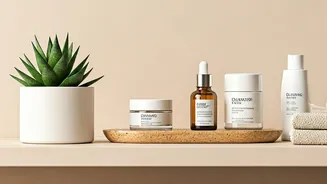


Why Less Is More For Your Skin
The allure of a 10-step routine is strong, but dermatologists often caution against it. When you layer multiple active ingredients—like retinoids, vitamin C, AHAs, and BHAs—you risk overwhelming your skin. This can lead to irritation, redness, and a compromised
skin barrier. A damaged barrier is less effective at retaining moisture and protecting against environmental aggressors, which can cause the very issues you’re trying to fix, such as dryness, breakouts, and sensitivity. Furthermore, with so many products in play, it becomes nearly impossible to tell what’s actually working and what’s causing problems. Simplifying allows your skin to breathe and helps you pinpoint the true impact of each product.
The Great Skincare Audit
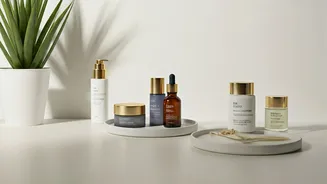
The first step to a streamlined routine is a thoughtful declutter. Go through your entire collection and be ruthless. First, check expiry dates. Most products have a small open-jar symbol indicating their shelf life (e.g., 6M for six months). Toss anything that’s past its prime, smells off, or has changed in colour or texture. Next, group similar products together. Do you really need five different hydrating serums or three vitamin C formulas? Identify duplicates and keep only your favourite. Finally, be honest with yourself. That trendy essence you bought but have only used twice is just taking up space. If a product doesn’t fit into your daily life or hasn’t delivered results after consistent use, it’s time to let it go.
Build Your Core Routine: The Essentials
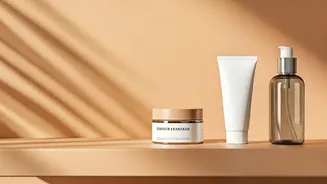
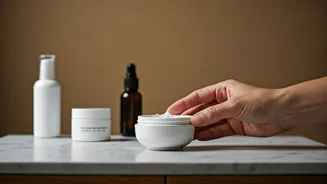
A truly effective skincare routine can be built on just three fundamental pillars: cleansing, moisturising, and protecting. This simple framework is the foundation for all skin types. **1. Cleanser:** Start with a gentle cleanser that removes dirt, oil, and makeup without stripping your skin’s natural oils. If you have dry or sensitive skin, look for a cream or milky formula. For oily or acne-prone skin, a gel or foaming cleanser can be more effective. **2. Moisturiser:** A good moisturiser is non-negotiable. It hydrates your skin, supports your skin barrier, and locks in moisture. For daytime, a lightweight lotion might suffice, while a richer cream can provide deeper hydration overnight. Look for ingredients like ceramides, hyaluronic acid, and glycerin. **3. Sunscreen:** This is arguably the most critical step. Daily use of a broad-spectrum sunscreen with at least SPF 30 protects against UV damage, which is the primary cause of premature ageing and skin cancer. Find a formula you enjoy wearing every day, whether it’s a mineral or chemical sunscreen.
Add One Targeted Treatment (If Needed)
Once you have your core routine down, you can introduce one—and only one—targeted treatment to address a specific concern. This ensures you get the benefits of a potent active ingredient without the risk of irritation from mixing too many. For anti-ageing and acne, a retinoid is a gold-standard option. For brightening and antioxidant protection, a vitamin C serum applied in the morning is excellent. If you’re concerned with texture and dullness, a chemical exfoliant (like an AHA or BHA) used a few times a week can make a huge difference. The key is to choose one product, start with a low concentration, and introduce it slowly (e.g., every other night) to allow your skin to acclimate. Don’t add another active until your skin has fully adjusted.
Embrace Patience and Consistency
Switching to a simpler routine requires a shift in mindset. In a world of instant gratification, skincare demands patience. Skin cells turn over roughly every 28 days, so it can take at least a month or two of consistent use to see the real benefits of your new, focused regimen. Resist the temptation to add new products or constantly switch things up. The goal is to create a stable, reliable routine that supports your skin’s long-term health. By sticking to the basics and being consistent, you’re not just decluttering your cabinet—you’re giving your skin the calm, predictable environment it needs to thrive.