




The Problem with a Strict Schedule
The common wisdom to repot every one to two years isn't necessarily wrong, but it is incomplete. It’s more of a general guideline than a strict rule. Plants, much like people, have different growth rates. A fast-growing tropical might outgrow its pot in a single
season, while a slow-growing cactus could be happy for several years. Repotting is a stressful event for a plant, disrupting its root system. Doing it unnecessarily can cause more harm than good, leading to transplant shock or even root rot if the new pot is too large. The most effective approach is to let the plant itself tell you when it's ready for a change of scenery.
Sign 1: The Roots Are Escaping
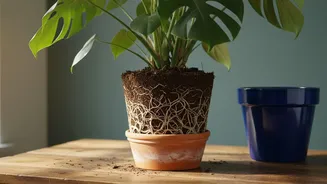
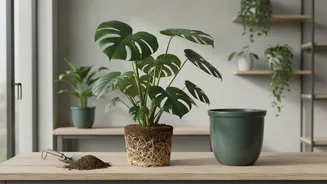
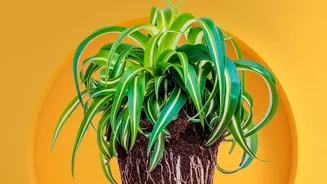
One of the most obvious signs is when you see roots physically growing out of the drainage holes at the bottom of the pot. This is a clear signal that the root system has run out of space and is actively searching for new territory. You might also notice the plant pushing itself upwards, out of the pot. To be certain, gently slide the plant out of its container. If you see more roots than soil, and the roots are tightly wound in a circle, the plant is 'root-bound' and it's definitely time for a new home.
Sign 2: Watering Becomes a Chore
Have you noticed that you need to water a plant far more frequently than you used to? When a pot is full of roots, there is very little soil left to hold onto moisture. The plant absorbs any available water almost immediately, causing the soil to dry out with surprising speed. Conversely, you might notice that water runs straight through the pot and out the bottom without seeming to be absorbed at all. This can happen when the soil has become compacted or has pulled away from the sides of the pot, another indication that the root-to-soil ratio is off balance.
Sign 3: Growth Has Stalled or Slowed
During the growing season (spring and summer), a healthy houseplant should be actively producing new leaves. If your plant, which otherwise seems healthy, has stopped growing or is only putting out leaves that are noticeably smaller than previous ones, it could be a cry for help. The confined space and depleted nutrients in the old soil are limiting its ability to grow. Without enough room for the roots to expand and draw in nutrients, the plant's overall development will stagnate.
Sign 4: The Plant Looks Unwell
Sometimes a plant just looks 'off'. You might see yellowing leaves, constant wilting despite regular watering, or a top-heavy appearance where the plant is prone to tipping over. These can all be symptoms of a root-bound plant. When roots are too compacted, they can't function effectively, leading to poor water and nutrient uptake that manifests as a general lack of vitality in the foliage. An infusion of fresh, nutrient-rich soil is often the cure.
When You See the Signs, Then Check the Season
Once you've identified that your plant needs repotting, the best time to act is during its active growing season, which for most houseplants is spring or early summer. Repotting during this period of vigorous growth helps the plant recover more quickly from the stress of the move. The plant is biologically primed to push out new roots and take advantage of the fresh soil and extra space. While emergency repotting for issues like root rot can be done any time of year, for a standard upgrade, timing your intervention with the plant's natural growth cycle will ensure the most successful transition.