







The Agricultural Lifeline
The most direct and profound connection between the monsoon and the economy lies in agriculture. The June-to-September southwest monsoon provides about 70% of India's annual rainfall, which is vital for a sector that supports the livelihoods of nearly
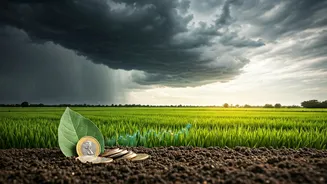
half the country's population. When rainfall is timely and well-distributed, it ensures healthy crop yields for key staples like rice, pulses, and oilseeds. This boosts the agricultural GDP and, more importantly, raises farm incomes, setting the stage for a chain reaction that reverberates through the entire economy. A good harvest means more money in the pockets of rural households, which is the foundational trigger for widespread economic activity.
Powering the Rural Demand Engine
Increased farm income directly translates into higher rural demand. This surge in spending power doesn't just stay within the agricultural ecosystem; it fuels a broad-based consumption boom. Companies in the Fast-Moving Consumer Goods (FMCG) sector see higher sales of everything from soap to biscuits. The automobile sector benefits from increased demand for two-wheelers and tractors. Similarly, sectors like agrochemicals and fertilizers see a spike in demand as farmers invest more in their crops. This uptick in rural consumption is a powerful engine for corporate earnings, leading to positive sentiment in the stock market. Investors closely watch monsoon forecasts as an early indicator of potential performance in these key, rural-dependent sectors.
Taming Inflation and Guiding Policy
The monsoon's influence extends to a critical macroeconomic variable: inflation. A bountiful harvest keeps food prices in check, and since food items constitute a significant portion of India's consumer price index basket, this helps to moderate overall inflation. Lower inflation provides relief to households by increasing their disposable income. It also gives the Reserve Bank of India (RBI) more flexibility. With inflation under control, the central bank is under less pressure to raise interest rates, which can help sustain economic growth. Conversely, a weak monsoon can lead to food shortages, spike inflation, and compel the RBI to adopt a more hawkish stance, potentially dampening market spirits.
The 2026 Outlook: A Note of Caution
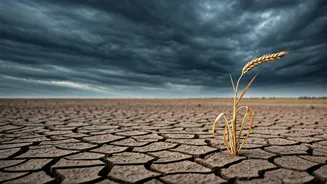
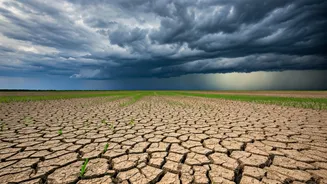
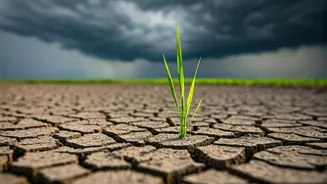
For 2026, the outlook is tinged with caution. The India Meteorological Department (IMD) has forecast a 'below normal' monsoon, predicting rainfall at around 90-92% of the long-period average. This is largely attributed to the emergence of El Niño conditions, which have historically been linked to weaker monsoons in India. A deficient monsoon poses a risk to agricultural output and could stoke food inflation. Economists and market analysts are closely monitoring rainfall distribution, as uneven rains can be as damaging as a deficit. While India's economy has become more resilient over the years with improved irrigation and a diversified GDP, a weak monsoon remains a significant headwind, particularly for rural demand and overall market sentiment.
From Sentiment to Stock Prices
Ultimately, the financial markets react to all these interconnected factors. Positive monsoon forecasts can boost investor sentiment even before the economic effects are visible in corporate earnings reports. Stocks of companies in sectors like FMCG, auto, fertilizers, and rural-focused financial institutions often rally on the expectation of a good monsoon. Conversely, forecasts of a weak or erratic monsoon can create uncertainty and put pressure on these same sectors. While the direct correlation between overall market indices like the Nifty 50 and the monsoon has weakened as the economy diversifies, the rains continue to be a decisive factor for specific sectors. It remains a powerful, uniquely Indian market mover that smart investors never ignore.