






The Real Threat: More Than Just Rain
When we think of water damage during the monsoon, we picture a torrential downpour soaking our backpack. While that’s a major risk, the more insidious threat is constant, pervasive humidity. High moisture in the air can quietly work its way into charging
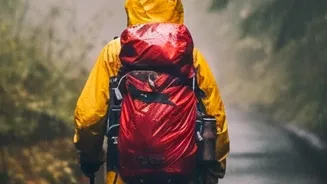
ports, camera lenses, and speaker grills, causing corrosion and malfunction over time. A device doesn't need to be submerged to be damaged; condensation and ambient dampness are silent enemies. Furthermore, a typical monsoon journey involves more than just walking in the rain. Think of the spray from a boat ride, a bumpy autorickshaw splashing through puddles, or an accidental slip on a wet trail. These moments of sudden water exposure are where a standard backpack fails completely.
The Science of Staying Dry
A true waterproof bag is more than just water-resistant fabric. Its effectiveness comes from two key design features: welded seams and a reliable closure system. Instead of being stitched together, which creates thousands of tiny holes for water to penetrate, the panels of a waterproof bag are fused using heat or radio frequencies. This 'welding' process creates a continuous, molecularly bonded seam that is as waterproof as the material itself. The second critical component is the closure. Most high-quality dry bags use a roll-top system. By folding the top edge over on itself at least three times and buckling the ends together, you create an airtight and watertight seal that can withstand splashes, heavy rain, and even brief submersion.
Decoding Waterproof Ratings (IPX)
Not all waterproof bags are created equal, and the Ingress Protection (IPX) rating helps you understand what level of protection you're getting. The 'X' simply means it hasn't been rated for dust protection, while the number indicates its water resistance. An IPX4 rating, for example, means the bag can handle splashes of water from any direction, making it suitable for heavy rain. An IPX6 rating can withstand powerful water jets, like a spray from a hose or wave splashes. For maximum protection, an IPX7 rating means the bag can be fully submerged in up to one meter of water for 30 minutes, offering true peace of mind if you accidentally drop your bag in a river or pool. Choosing the right rating depends on your activity, but for a monsoon trip, aiming for IPX6 or higher is a safe bet.
It’s Not Just for Your Phone
While protecting a smartphone, camera, and laptop is often the primary motivation, a waterproof bag is crucial for many other items. Imagine arriving at your destination to find your spare set of clothes damp and musty. Or discovering that your passport and other important documents have been warped by humidity. Even a first-aid kit can be compromised, with bandages becoming useless and medications getting damaged. Storing these items in a dedicated dry bag—or even a smaller dry sack within your main luggage—ensures they remain clean, dry, and ready to use when you need them most. This is especially important for items that can be ruined just as easily by dampness as by direct water contact.
Choosing the Right Bag for Your Trip
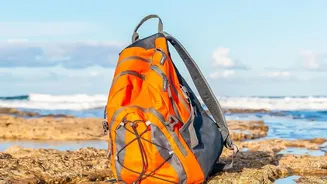
The type of waterproof bag you need depends on your travel style. For light travellers who want to protect essentials inside a larger, non-waterproof backpack, a small 'dry sack' is perfect. These are lightweight, foldable, and ideal for compartmentalising gear. For day trips, a waterproof backpack with a 20-30 litre capacity is a versatile choice, offering enough space for electronics, a jacket, and snacks. If you're embarking on a longer trek or a trip that requires carrying more gear, a larger waterproof duffel bag might be more suitable. These often come with shoulder straps for easier carrying and offer robust protection for everything from camping equipment to clothing. The key is to match the bag's size and features to the specific demands of your monsoon adventure.