






Decoding 'Cactus Energy'
You’ve seen it on ingredient lists and popping up in serums and moisturisers, but what exactly is 'cactus energy'? It's less of a scientific term and more of a catch-all for the incredible benefits derived from various cactus species. For centuries, these
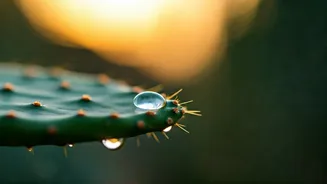
resilient plants have been used for their healing and nourishing properties. The core idea is simple: a plant that can survive and thrive in the harshest, driest environments by storing vast amounts of water must have some powerful secrets for hydration. And it does. Its extracts and oils are now being harnessed to deliver that same life-sustaining moisture to our skin.
The Science of Survival: Why It Works
The magic of cactus in skincare lies in its unique composition, born from its need to survive in arid climates. Cacti are packed with polysaccharides, molecules that help them retain water for long periods. When applied to skin, these compounds do the same for you, locking in moisture and strengthening your skin's natural barrier to prevent water loss. Beyond just hydration, cactus is a rich source of antioxidants like vitamins E and C, betalains, and flavonoids. These powerful components help protect the skin from environmental stressors like pollution and UV damage, which can lead to premature ageing. Its anti-inflammatory properties can also help soothe redness and irritation, making it a surprisingly gentle ingredient for sensitive or acne-prone skin.
Meet the Cactus Crew: Key Ingredients to Know
Not all cactus is created equal in the skincare world. The most celebrated member of the family is the Prickly Pear, also known as Barbary Fig or Nopal. Its seed oil is a true powerhouse, containing the highest Vitamin E content of any plant oil on the market—even more than argan oil. It's also exceptionally high in linoleic acid, an essential fatty acid that moisturises and helps repair the skin barrier. You'll also find Cactus Flower Extract, which helps to bind moisture to the skin, and Nopal Cactus stem cells, rich in antioxidants that protect against environmental damage. These ingredients work together to hydrate, soothe, and protect.
Cactus vs. The Classics: A Hydration Showdown
How does cactus stack up against hydration hero, hyaluronic acid? While hyaluronic acid is a fantastic humectant, famous for its ability to hold up to 1,000 times its weight in water, its primary function is to draw moisture into the skin. However, in dry environments, it can sometimes pull moisture from the deeper layers of your skin if not sealed in properly. Cactus ingredients offer a more comprehensive approach. They not only act as humectants to draw in moisture, but their rich fatty acid content (like the linoleic acid in prickly pear oil) also helps to form a protective barrier, locking that hydration in and preventing evaporation. Plus, cactus brings a host of antioxidant and anti-inflammatory benefits to the table that hyaluronic acid alone doesn't provide.
How to Harness Cactus Power in Your Routine
Incorporating cactus into your skincare is simple. Thanks to its growing popularity, you can find it in a wide array of products. For a concentrated dose of benefits, look for serums containing Prickly Pear Seed Oil or Cactus Flower Extract. These lightweight oils are absorbed quickly without leaving a greasy residue, making them suitable for most skin types. Moisturisers and creams with cactus extracts are excellent for daily hydration and barrier support. And for an extra boost of soothing hydration, a sheet mask infused with prickly pear extract can calm and plump the skin in minutes. No matter the form, adding this desert powerhouse to your routine is a surefire way to achieve a more resilient, hydrated glow.