





Just How Dry Has It Been?
The numbers confirm what many residents have felt: this August has been exceptionally dry for Mumbai. According to data from the India Meteorological Department (IMD), the city has recorded a significant shortfall in rainfall. For instance, from August 1
to August 25, the Santacruz observatory recorded just 302.3 mm of rain. This figure is stark when compared to the 1054.2 mm received during the same period last year. In fact, for the entire month, total precipitation was only about half of the normal amount. While the season's total rainfall since June is closer to average, the August lull is a marked departure from the usual pattern, contributing to a nationwide deficit that has many concerned.
The Primary Culprit: A Powerful El Niño
Meteorologists point to a major global climate pattern as the primary driver of India's weakened monsoon: El Niño. This phenomenon involves unusually warm sea surface temperatures in the central and eastern Pacific Ocean, which disrupts weather patterns worldwide. For India, a strong El Niño often correlates with suppressed monsoon rainfall. Scientists have been tracking a rapidly strengthening El Niño event throughout 2026, with some forecasts suggesting it could become exceptionally strong. Its impact is being felt across the country, with an IMD official noting that its effects are likely to become even more severe in September. This global factor is the main reason for the reduced intensity of monsoon systems reaching India's west coast.
Local and Regional Factors at Play
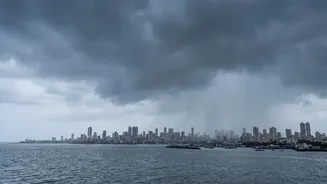
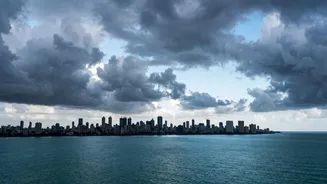
While El Niño is the dominant global influence, other regional factors have also contributed to the dry spell. The monsoon's advance stalled earlier in the season due to a weakened monsoon surge and the lack of strong low-pressure systems forming over the Bay of Bengal, which are crucial for pulling monsoon winds across the country. These systems act like engines, driving moisture-laden winds from the Arabian Sea towards the Indian subcontinent. When they are infrequent or weak, the westerly winds that bring rain to Mumbai and the Konkan coast lose their intensity. The IMD had forecast a below-average August, anticipating this weakening of monsoon dynamics. As a result, Mumbai has seen more cloudy days and light showers than the heavy, sustained downpours typical of August.
Impact on the City's Lifeline: Water Supply
Mumbai is almost entirely dependent on a network of seven lakes in its surrounding areas for its drinking water. These reservoirs are filled by monsoon rains, and a deficit directly impacts the city's water security for the following year. A weak monsoon had already prompted the Brihanmumbai Municipal Corporation (BMC) to impose water cuts earlier in the year, as lake levels dipped to critically low levels before the monsoon's arrival. While July rains brought some relief and helped replenish the reservoirs significantly, the dry spell in August has renewed concerns. As of late August, despite the reservoirs being near capacity, civic authorities have kept a 10% water cut in place as a precautionary measure, highlighting the cautious approach being taken to manage the city's water stock through the rest of the year.
What's Next for the Monsoon?
With August ending on a dry note, all eyes are on September. Unfortunately, the forecast does not suggest a dramatic reversal. Experts from the IMD have indicated that the impact of El Niño is expected to intensify, potentially leading to a double-digit rainfall deficit for the month across most of the country. The monsoon, which typically begins its withdrawal from northwestern India around mid-September, might even start retreating a few days earlier than usual. For Mumbai, the forecast for the immediate future predicts continued light to moderate showers, but major heavy rain spells remain unlikely. This subdued end to the monsoon season underscores the growing challenge of managing urban resources in the face of increasingly variable and unpredictable weather patterns, driven by both natural cycles and long-term climate change.