






The New Global Spice Route
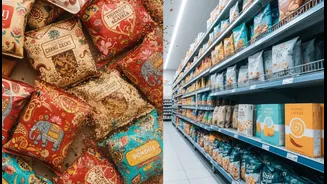
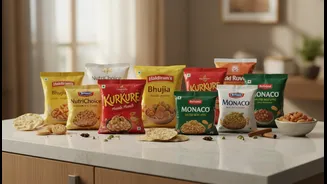
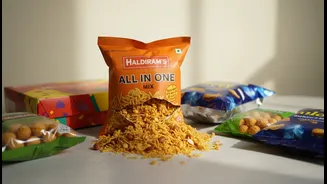
For decades, the story of Indian food abroad was primarily told in restaurants. Today, a new chapter is being written in the aisles of global supermarkets. Major Indian snack and food companies like Haldiram's, Bikaji, and others are no longer just exporting
to specialty 'Indian stores' that cater exclusively to the diaspora. They are making a concerted push into mainstream retail chains, positioning themselves not as niche ethnic products, but as global consumer brands. This shift is backed by serious investment. Bikaji, for example, recently injected $2.9 million into its US subsidiary to establish a local manufacturing facility, a move designed to strengthen its supply chain and accelerate growth in North America. This isn't just about shipping more namkeen; it's a strategic play to build a resilient, multi-geography revenue model and become a global ambassador for Indian flavours.
The Diaspora as a Beachhead Market
The foundation of this global expansion was built on a loyal and motivated customer base: the Indian diaspora. Numbering over 18 million, people of Indian origin living abroad have created a stable, built-in demand for the authentic tastes of home. For many, brands like Haldiram's and Bikaji are not just snacks; they are a taste of comfort and a connection to cultural heritage. This diaspora demand acts as a powerful "beachhead market." It allows brands to secure initial shelf space in major international retail chains like Walmart and Lulu, establishing a foothold. From there, they can begin to attract a wider, non-Indian audience who are increasingly curious about global cuisines and bold, spicy flavours.
The Authenticity vs. Adaptation Dilemma
As brands expand, they face a critical strategic choice: stay completely authentic to traditional recipes or adapt to local palates? The most successful companies are doing both. Haldiram's, for instance, has built a $10 billion valuation by largely maintaining its authentic flavour profiles, ensuring its products taste the same in Tokyo as they do in Delhi. This strategy caters directly to the diaspora who seek the 'real thing'. At the same time, there is a growing trend of local adaptation. This might involve launching fusion snacks, like masala-flavoured tortilla chips, designed to appeal to younger Western demographics. Other brands adapt by toning down spice levels, introducing health-conscious options like baked snacks, or creating ready-to-eat meals that offer convenience without compromising on flavour. This balancing act is crucial; it’s about making Indian flavours accessible without losing the essence that makes them unique.
Beyond Snacks: A Full-Pantry Revolution
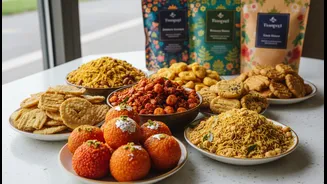
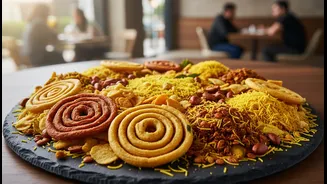
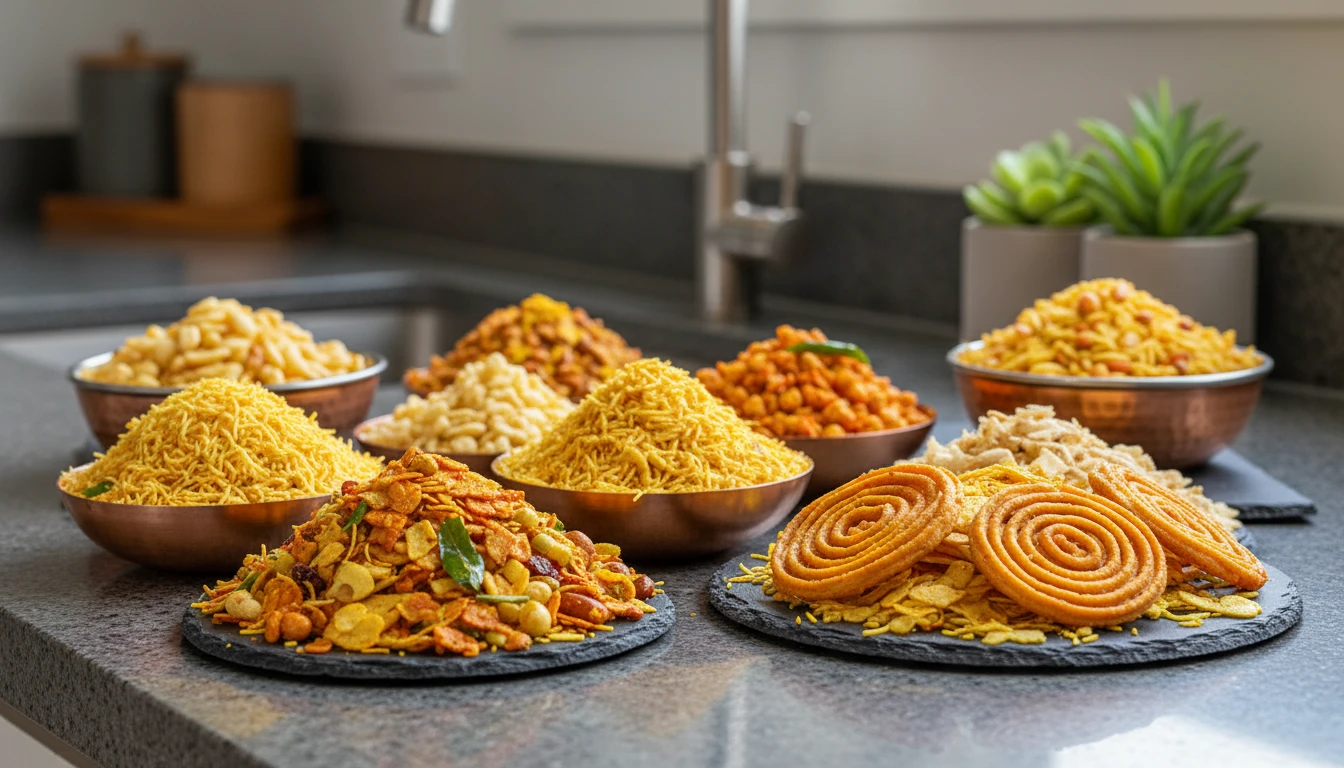
The trend extends far beyond just bhujia and samosas. The global boom includes a wide array of products, from ready-to-eat (RTE) meals to spice mixes and frozen foods. Busy professionals and students abroad, who may lack the time to cook traditional Indian meals from scratch, are a key market for RTE options like dal makhani and rajma masala. Advanced food processing and packaging technologies, such as retort packaging, have been game-changers, allowing manufacturers to preserve authentic taste and extend shelf life without preservatives. This expansion into different food categories signifies a deeper integration of Indian food into global lifestyles, moving it from an occasional treat to an everyday option.
Changing Perceptions and Future Challenges
This global push is changing how Indian cuisine is perceived worldwide, shifting it away from being solely a restaurant experience to a staple in home pantries. It represents a new wave of India's soft power, where consumer brands act as cultural ambassadors. However, the path is not without challenges. Indian brands must navigate complex international food safety regulations, which are often much stricter than domestic standards. Issues like pesticide residue, documentation, and supply chain traceability have led to rejections in markets like the EU and US in the past. To succeed long-term, companies need robust quality control, investment in cold chain infrastructure, and a deep understanding of global trade requirements. The brands that master this will not only capture market share but also build lasting global trust.