





Leafy Green Vegetables
Spinach, cabbage, and other leafy greens are packed with nutrients, but during the monsoon, they require special attention. Growing close to the ground, they are more susceptible to mud, grit, and germs from contaminated soil and water. The damp, humid
weather creates an ideal breeding ground for bacteria and microbes on the leaves. Even thorough washing may not completely remove all contaminants hidden in their folds. Health experts suggest either avoiding them, especially in raw salads, or ensuring they are blanched in hot water and cooked thoroughly to kill any harmful microorganisms. Opting for gourds like lauki and karela, which grow above ground, is a safer bet.
Street Food Favourites
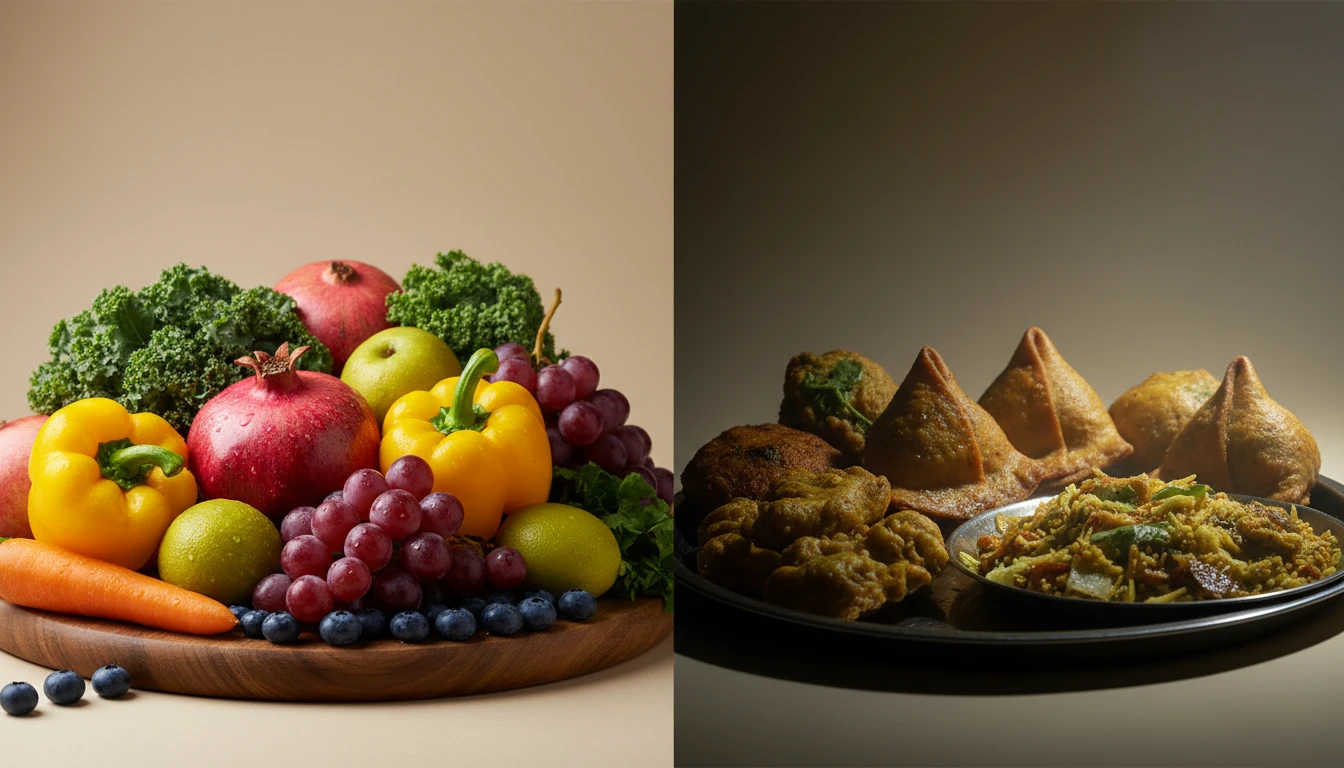
The craving for hot pakoras and spicy chaat intensifies with the rain, but street food is a significant risk during this season. The primary concern is the water used for preparing items like pani puri, chutneys, and for washing utensils, which may be contaminated. This increases the risk of waterborne diseases like typhoid, cholera, and stomach infections. Furthermore, high humidity accelerates bacterial growth on pre-cut ingredients and food left exposed. Fried snacks might seem safer, but they are often cooked in oil that is reused multiple times, which can cause digestive issues. If you must indulge, choose vendors who practice good hygiene and prepare food fresh in front of you.
Seafood and Fish
It is a long-held tradition in many parts of India to avoid seafood during the monsoon, and there is sound reasoning behind it. The monsoon season is the breeding period for many fish species. Catching them disrupts their reproductive cycles, and fishing bans are often in place to promote sustainability. From a health perspective, increased water pollution from runoff means fish can be exposed to more contaminants and bacteria. The high humidity also causes seafood to spoil much faster, increasing the risk of food poisoning. It's generally advised to limit seafood consumption or be extremely cautious about its freshness and source.
Raw Salads and Pre-Cut Fruits
While fruits and salads are staples of a healthy diet, consuming them raw during the monsoon can be problematic. Pre-cut fruits sold by street vendors are particularly risky as they are exposed to the open air for long periods, inviting contamination from airborne bacteria and flies. Raw vegetables used in salads face the same risks as leafy greens, harboring germs that are difficult to wash away. It's much safer to buy whole fruits and vegetables, wash them thoroughly at home with clean water, and cut them just before you eat them. Opting for steamed or boiled vegetables over raw salads is a wise choice for your digestive system.
Dairy Products Like Curd
Dairy products like milk, paneer, and especially curd require careful handling during the monsoon. The damp conditions can hasten spoilage and bacterial growth in these items. According to Ayurveda, the digestive system becomes weaker during the rainy season, and heavy foods, including some dairy products, can be difficult to process, leading to issues like bloating and indigestion. It is also believed that curd and other fermented items can aggravate cold and cough symptoms, which are common during this season. If you consume dairy, ensure it is pasteurised and from a trusted source, and consider consuming it in moderation.
Fried and Oily Foods
The desire for deep-fried snacks is a monsoon classic, but it's best to enjoy them in moderation. The digestive system is generally considered to be weaker during the rainy season, and heavy, oily foods can put extra strain on it, leading to indigestion, bloating, and acidity. While homemade pakoras are a safer option than their street-side counterparts, overindulgence can still make you feel sluggish. A better approach is to favour light, warm, and freshly cooked meals. Soups, steamed dishes, and foods cooked with digestive-friendly spices like ginger, turmeric, and black pepper are excellent choices to keep you warm and healthy.