
The Mighty Millets: Jowar, Bajra, and Ragi
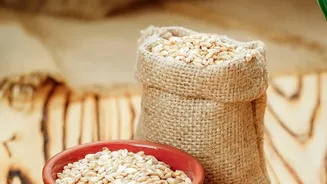
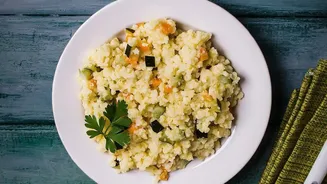
For centuries, before refined wheat and white rice became dominant, millets were the cornerstone of the Indian diet. These ancient grains are making a well-deserved comeback. Jowar (sorghum), bajra (pearl millet), and ragi (finger millet) are naturally
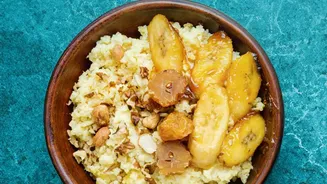
gluten-free and loaded with dietary fibre, which aids digestion and promotes a feeling of fullness. A simple switch from a regular wheat roti to a jowar or bajra roti can significantly increase your fibre intake. Ragi, exceptionally rich in calcium, can be used to make dosas, idlis, or a hearty porridge, making it a versatile addition to any meal.
The Power of Pulses: Dals and Legumes
Lentils and legumes are the heart of Indian comfort food, and for good reason. A simple bowl of dal is one of the most reliable and accessible sources of both fibre and plant-based protein. Varieties like masoor, moong, and toor dal are everyday staples, but exploring whole legumes like rajma (kidney beans), chana (chickpeas), and whole green moong can offer an even bigger fibre boost. One cup of cooked rajma curry, for instance, can provide nearly half of the recommended daily fibre intake for an adult. Including a dal or legume dish with every main meal is a culturally seamless way to improve your gut health.
Whole Grains Over Refined Flour
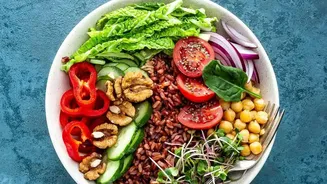
The difference between whole grains and refined grains lies in what's removed during processing. Refined flour, or maida, is stripped of its bran and germ, which contain most of the fibre, B vitamins, and minerals. Choosing whole wheat atta over maida is a fundamental step. Similarly, swapping white rice for brown rice, even partially, can make a difference. These whole grains have a lower glycaemic index, which means they release energy more slowly, keeping you fuller for longer and preventing sudden blood sugar spikes. This cumulative daily choice is one of the most impactful for long-term health.
The Unsung Heroes: Everyday Vegetables
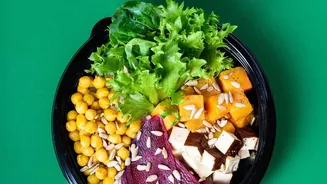
Vegetables are often seen as a side dish, but they should be the star of the plate. Indian cuisine boasts a stunning variety of fibre-rich vegetables. Leafy greens like spinach (palak) and fenugreek (methi) are packed with fibre and can be easily added to dals or sabzis. Other common vegetables like okra (bhindi), sweet potatoes, carrots, and beans are also excellent sources. Fresh beans, especially cluster beans (guar phali), contain a type of soluble fibre that is particularly beneficial for digestion and blood sugar control. A simple trick is to plan your meal around the vegetable, ensuring you consume a generous portion.
Easy Additions: Nuts and Seeds
For a quick and effortless fibre boost, turn to nuts and seeds. A small handful of almonds or roasted chana makes for a much healthier snack than fried alternatives. Seeds like flax (alsi) and chia are fibre powerhouses; a single tablespoon of ground flaxseed stirred into your roti atta, curd, or chutney can add a significant amount of fibre without altering the taste. These small additions not only increase fibre but also provide healthy fats and other essential micronutrients, making them a smart and simple upgrade to your daily diet.