






White Vinegar: The Acidic Mould Fighter
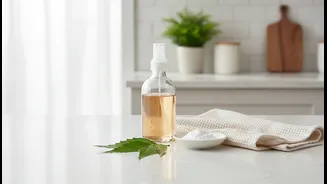
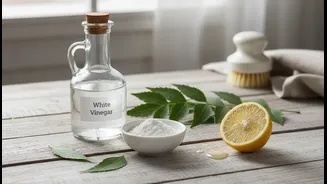
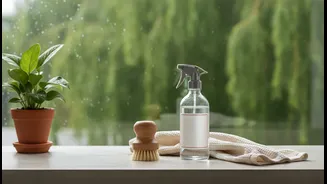
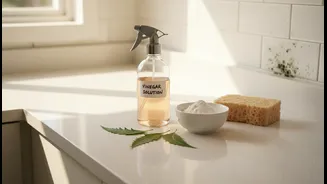
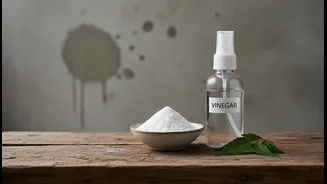
High humidity makes walls, tiles, and wooden furniture a breeding ground for mould and mildew. White vinegar is a powerful, natural solution due to its acidic nature, which helps kill mould spores. To tackle visible mould on walls or tiles, spray undiluted
white vinegar directly onto the affected area. Let it sit for at least an hour to break down the fungus, then scrub with a brush and rinse with warm water. For general cleaning and prevention, create a solution of equal parts vinegar and water in a spray bottle. Use this to wipe down kitchen counters, bathroom surfaces, and window sills regularly. This not only disinfects but also helps to remove the scent trails that ants often follow. A cup of vinegar added to the rinse cycle of your washing machine can also help neutralise musty odours in clothes that take longer to dry during the rains. However, avoid using vinegar on natural stone surfaces like marble or granite, as its acidity can cause damage.
Baking Soda: The Ultimate Odour and Moisture Absorber
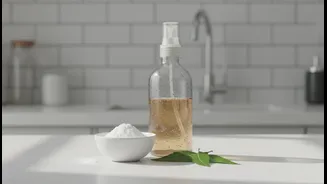
That familiar musty smell in cupboards and closed rooms is a classic sign of trapped moisture. Baking soda is excellent at absorbing both moisture and unpleasant odours. To freshen up wardrobes, shoe racks, and kitchen cabinets, simply place an open bowl or a breathable pouch of baking soda inside. It will quietly work to absorb excess humidity and smells. For carpets and rugs that feel damp, sprinkle a generous layer of baking soda over the surface, let it sit for about 30 minutes, and then vacuum it thoroughly. This lifts moisture, neutralises odours, and helps loosen dirt. You can also make a cleaning paste by mixing baking soda with a small amount of water to scrub away grime from sinks and tiles. While some suggest mixing it with vinegar for a fizzy reaction, this actually neutralises both ingredients, creating little more than salt water. It is more effective to use them separately for their distinct cleaning properties.
Neem: The Traditional Pest and Fungus Repellent
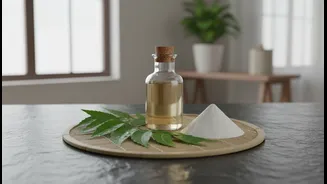
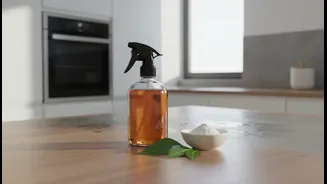
Neem has been a trusted ingredient in Indian households for generations, and for good reason. Its natural antifungal and insect-repellent properties make it an invaluable tool during the monsoon when pests like cockroaches and ants become more common. To create an all-purpose cleaning and pest-repellent spray, boil a handful of neem leaves in water, let it cool, and strain the liquid into a spray bottle. This can be used to wipe down surfaces and spray in corners to deter insects. Placing dried neem leaves in wardrobes and cupboards is a traditional method to protect clothes from dampness, fungus, and pests like silverfish. For a more potent solution against pests or fungus, you can use neem oil. Mix a few drops of neem oil with water and a little mild soap (to help the oil and water mix) and spray it in pest-prone areas like kitchen drains and behind furniture.
Putting It All Together for a Fresh Home
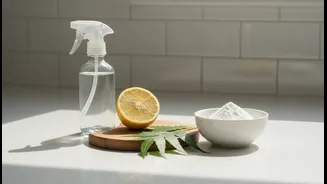
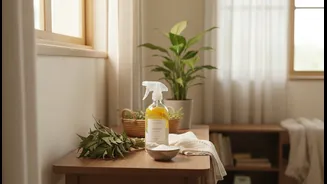
Combining these natural powerhouses into a regular cleaning schedule can make a significant difference. Use the vinegar spray for disinfecting hard surfaces and fighting mould. Keep bowls of baking soda in enclosed spaces to manage dampness and odours. A weekly mopping with water infused with neem leaves can help keep floors clean and pests at bay. For instance, after cleaning a mouldy patch with vinegar, you can follow up by scrubbing with a baking soda paste to tackle any remaining stains. Remember to always allow for good ventilation whenever possible. Opening windows during dry spells allows fresh air to circulate, which is one of the simplest ways to combat the dampness that defines this season.