



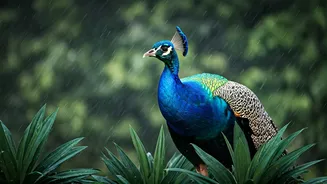


A Monsoon Spectacle
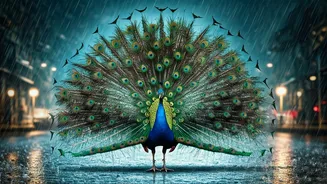
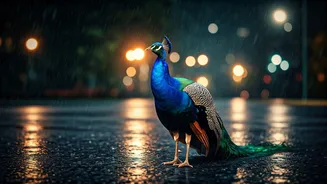
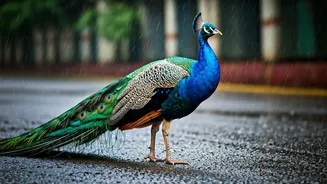
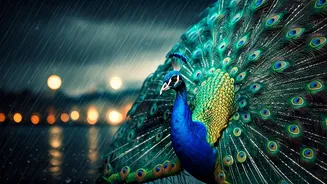
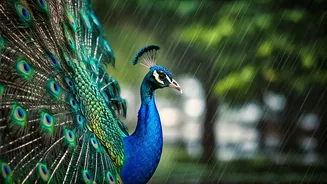
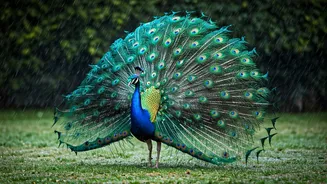
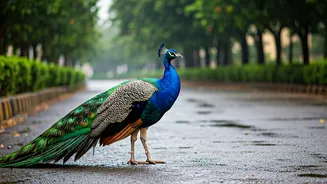
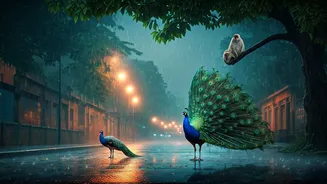
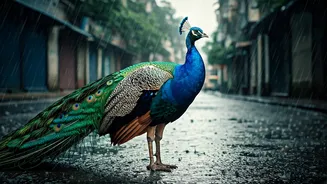
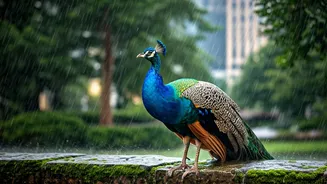
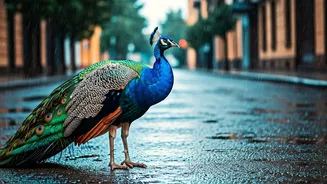
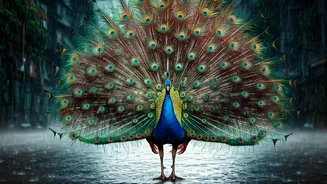
The arrival of the southwest monsoon triggers a delightful and increasingly documented phenomenon: a surge in urban wildlife sightings. In Mumbai, residents were recently captivated by videos of a peacock and peahen calmly strolling down the busy Pedder
Road, their vibrant feathers a stark contrast to the city's high-rises. [3, 4, 5, 6] These moments, shared widely on social media, highlight a seasonal joy that many city dwellers have come to cherish. [5] From the sudden appearance of jewel-like insects and the chorus of frogs to the majestic dance of a peacock on a balcony, the rainy season reconnects urbanites with the nature that quietly coexists with them. [5, 15, 27] This period is a reminder that even in India's most densely populated areas, the wild is never too far away. [5]
The Science of the Season
But why does the monsoon bring these creatures out into the open? The reasons are rooted in basic survival. Heavy rains flood underground burrows and dens, forcing animals like snakes and rodents to seek drier, higher ground, which often includes human habitations. [8, 9, 10, 16] For many species, the monsoon is also a time of abundance. The rain triggers a boom in insect populations, providing a feast for birds, lizards, and frogs. [11, 15] This availability of food, combined with cooler temperatures, makes many animals more active. [6, 15] Furthermore, the monsoon is a critical breeding and nesting season for numerous species, from birds to amphibians, who take advantage of the plentiful food and water to raise their young. [11, 15, 16]
A City-Wise Safari
Different cities report their own unique encounters. Mumbai, with its proximity to Sanjay Gandhi National Park, frequently reports leopards on its fringes, alongside the more gentle sightings of peacocks venturing out from green pockets like Malabar Hill. [6, 17, 23, 25] In Delhi-NCR, the monsoon often leads to a spike in snake sightings, with organisations like Wildlife SOS receiving numerous calls to rescue reptiles from residential areas. [8, 10] These can range from non-venomous Indian rat snakes to venomous species like the spectacled cobra. [8, 10] In Bangalore, the season brings a chorus of frogs and the welcome arrival of migratory birds like the Indian pitta. [11, 20] These city-specific phenomena underscore the diverse ecosystems that persist within India's urban sprawl.
Citizens as Chroniclers
The joy of these sightings is amplified by technology. Today, every citizen with a smartphone can become a chronicler of urban biodiversity. Social media platforms are filled with images and videos of these seasonal visitors, fostering a collective appreciation for urban nature. [3, 5] This trend is part of a larger movement toward citizen science, where public participation in documenting wildlife is helping researchers understand and monitor biodiversity. [12, 14, 21, 26] By reporting sightings of birds, butterflies, or even snakes, ordinary people contribute valuable data that helps experts track population trends and the health of urban ecosystems. [12, 21, 26]
A Dance of Coexistence and Caution
While these encounters bring delight, they also require caution and respect. The increased presence of animals like snakes and leopards in urban areas inevitably raises concerns about human-wildlife conflict. [8, 19] Experts advise residents to remain calm and keep a safe distance if they spot a wild animal. [16] Most snakes are non-venomous and, like other animals, are generally more scared of humans than we are of them. [8] The key is not to provoke them. [16] It's also important to keep surroundings clean and seal cracks or holes in buildings to prevent animals from seeking refuge inside. [8] Rather than reacting with fear, these moments offer a chance to practice coexistence, relying on professional rescuers for help when needed and remembering that these animals are simply navigating a world that is as much theirs as it is ours. [8, 16]