


A Culinary Secret Gone Mainstream
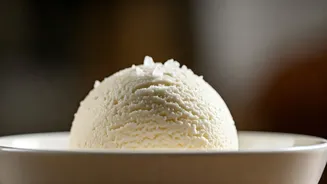
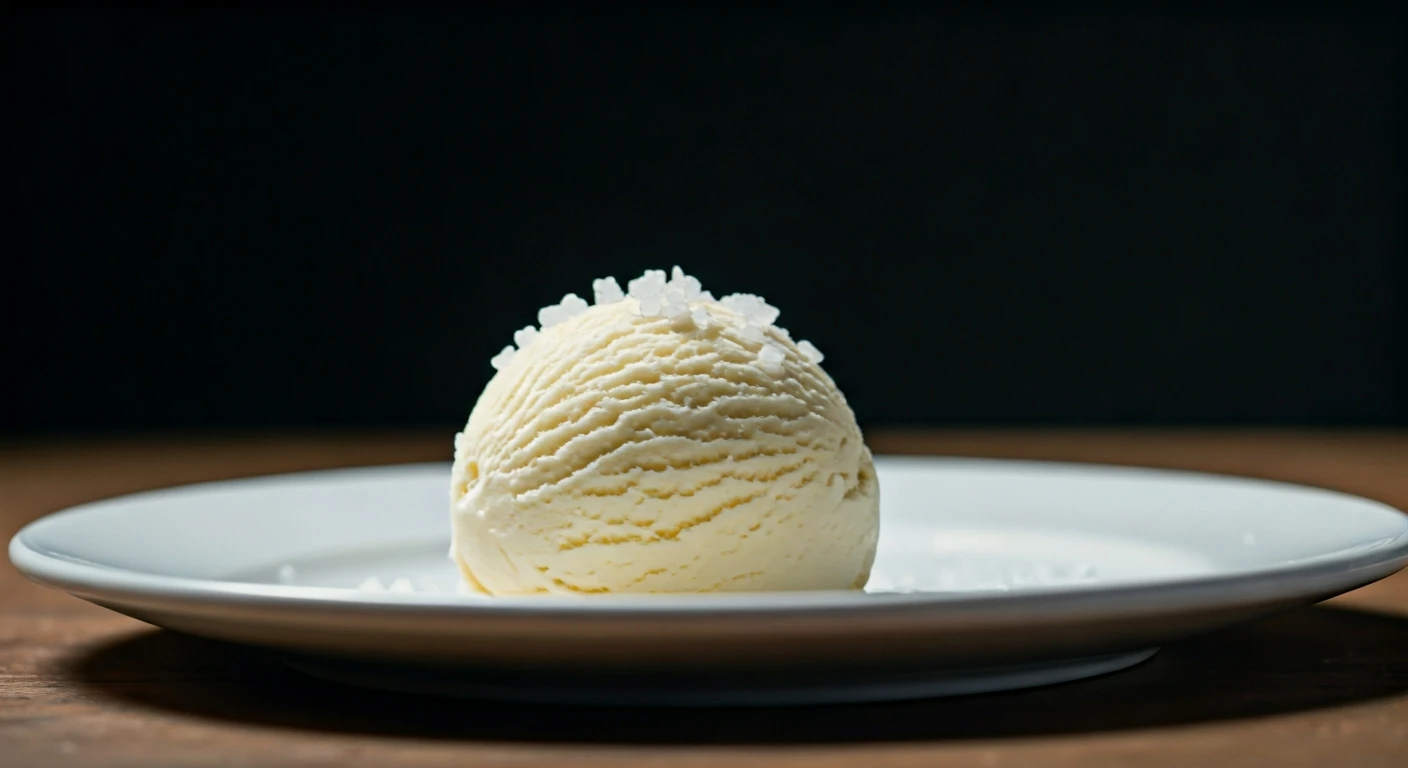
While adding salt to sweets isn't new—think salted caramel or sea salt on chocolate—the specific act of finishing a simple bowl of vanilla ice cream with a pinch of flaky salt has recently captured the public's imagination. What was once a chef's trick
or a Mediterranean tradition, particularly when paired with a drizzle of olive oil, is now a viral sensation. The trend has been amplified by social media, where food enthusiasts and even celebrities have shared their surprise and delight at the combination. This isn't just a fleeting fad; it’s the rediscovery of a fundamental culinary principle: salt doesn't just make things salty, it makes them taste more like themselves.
The Science of Enhanced Flavour
The magic behind this combination lies in taste science. Salt has a remarkable ability to amplify sweetness while suppressing bitterness. Our taste buds perceive five primary tastes: sweet, salty, sour, bitter, and umami. In low concentrations, salt ions can actually trick our brains into perceiving flavours as sweeter than they are. One reason for this is a specific receptor on the tongue, known as SGLT1, which transports sugar to our taste cells more efficiently in the presence of sodium. This means a tiny pinch of salt can make the complex, floral notes of vanilla pop, creating a more dynamic and less one-dimensionally sweet experience. The result is a flavour that feels more balanced and satisfying.
It’s All About the Right Salt
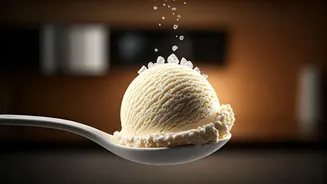
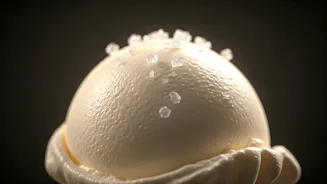
Before you reach for the standard table salt, it's important to note that the type of salt makes all the difference. The trend specifically calls for flaky sea salt, like Maldon or fleur de sel. Unlike fine-grained table salt, which would dissolve instantly and make the ice cream taste overtly salty, large, irregular flakes provide a contrasting texture. These delicate crystals offer a satisfying crunch and a concentrated burst of salinity that cuts through the creaminess of the ice cream. This textural play is just as crucial as the flavour enhancement, turning each spoonful into a more complex sensory experience.
How to Perfect the Pairing
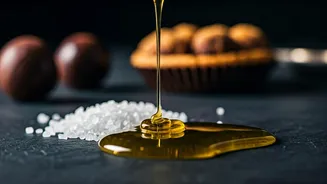
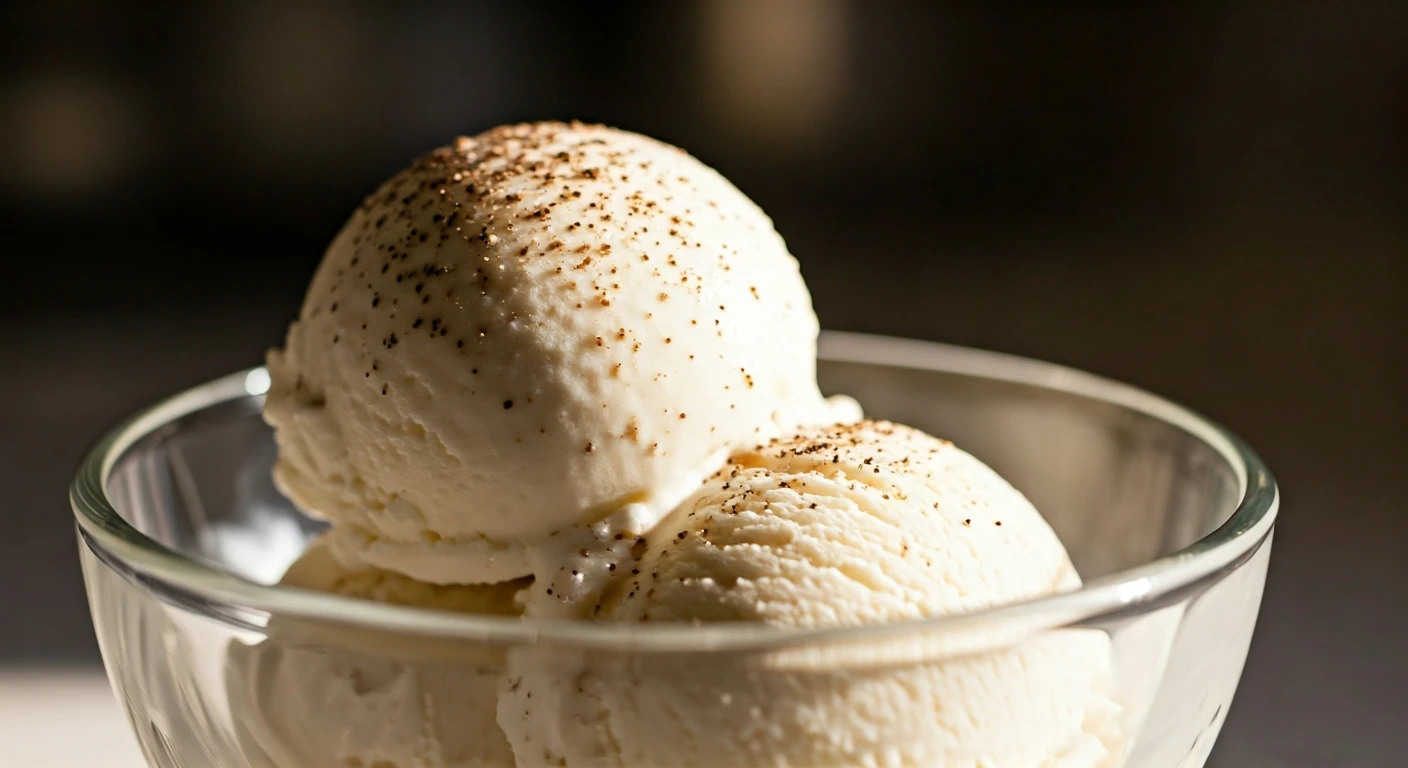
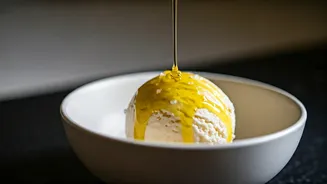
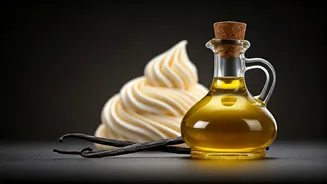
Trying this at home is incredibly simple. Start with a high-quality vanilla ice cream; a vanilla bean variety works especially well as the salt will highlight its aromatic specks. Let the ice cream soften just slightly. For an even more elevated dessert, first drizzle a good-quality, fruity extra virgin olive oil over the scoops before adding the salt. This adds a peppery, grassy note that creates a sophisticated trifecta of sweet, savoury, and fatty flavours. The key is balance—you only need a small pinch of flaky sea salt sprinkled over the top. The goal is to enhance, not overpower.
A Gateway to Savoury Desserts
This trend is part of a broader movement that blurs the line between sweet and savoury. Chefs have long understood that a touch of salt can elevate desserts, from the salted butter in French pastries to the salt in a cookie recipe. The popular rise of salted caramel in the late 2000s paved the way for mainstream acceptance of salty-sweet combinations. Adding salt to ice cream is simply the next logical step, encouraging home cooks to think like pastry chefs and use salt as a seasoning to balance and brighten desserts, rather than just an ingredient for savoury dishes.