
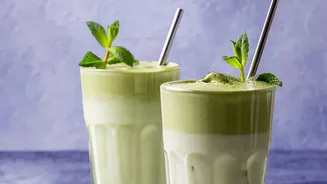

What Exactly Is Matcha?
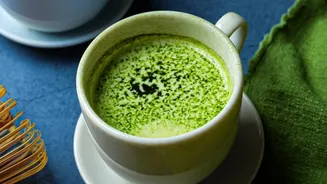
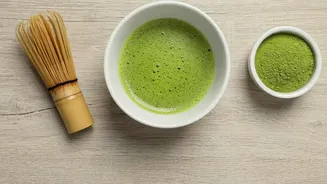
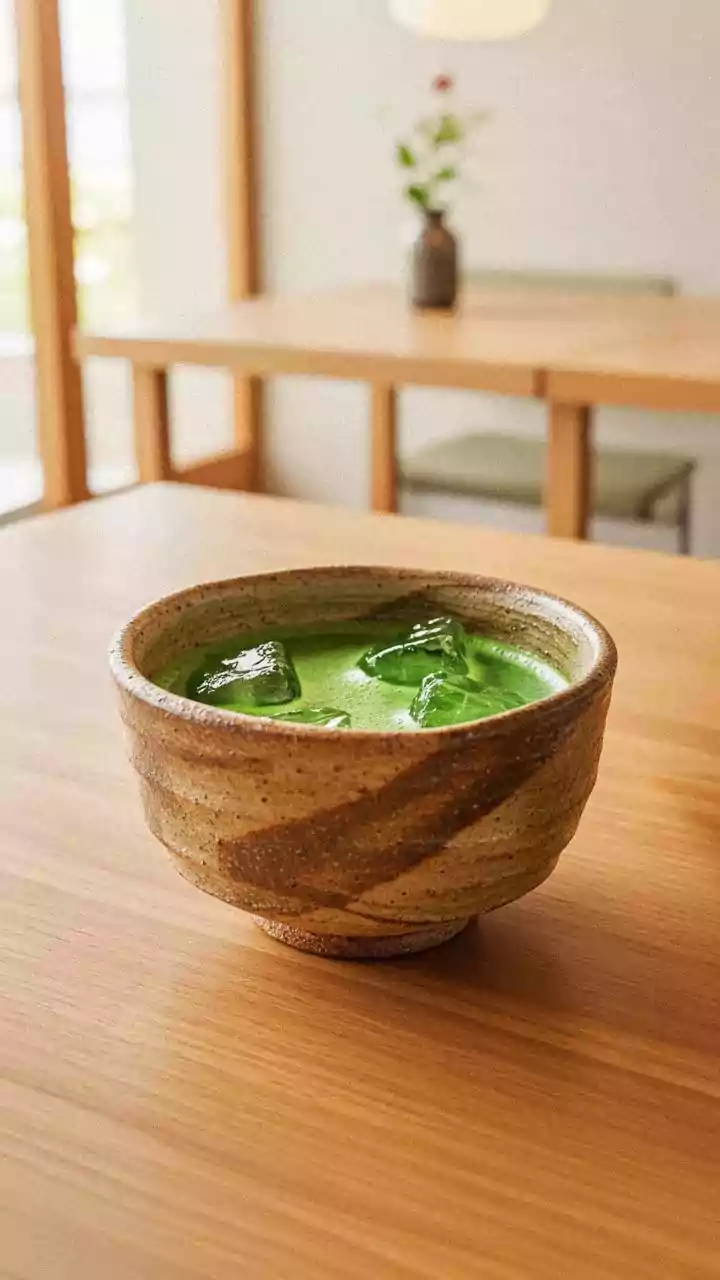
Before you try to whip up Soha’s drink, it helps to know what you’re working with. Matcha is a finely ground powder made from specially grown and processed green tea leaves. Unlike regular green tea, where you steep the leaves and discard them, with matcha
you consume the entire leaf. This means you get a more concentrated dose of the nutrients and antioxidants present in the tea. Originating from Japan, it has a unique, vibrant green color and a complex flavor that is often described as earthy, grassy, and slightly sweet. It’s this unique profile and its potential health benefits that have made it a global wellness favorite.
Soha’s Two-Minute Protein Matcha
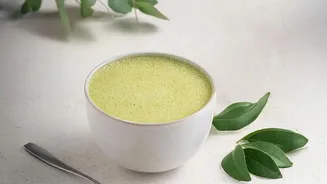
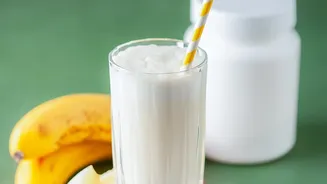
Soha Ali Khan, who is known for her dedication to fitness, shared her recipe for a pre-workout protein matcha. She noted that as a vegetarian, she is always looking for ways to add more protein to her diet and stumbled upon this quick recipe. Here’s what you need: 1 teaspoon of matcha powder, 1 scoop of protein powder (she used chocolate flavor), cold water, a splash of almond or coconut milk, ice, and optional vanilla essence and stevia for sweetness. To make it, she first whisks the matcha with a little cold water to form a smooth paste. Then, she adds the protein powder and a bit more water, frothing the mixture. Finally, she adds the milk, ice, and flavorings, giving it one last froth before it’s ready to drink. Soha admitted she was never a fan of matcha's taste but found this version 'yummy'.
Calm Energy, Not Jitters
One of the main reasons people are turning to matcha is the type of energy it provides. While it does contain caffeine, it also contains an amino acid called L-theanine. This unique combination is known to promote a state of 'calm alertness'. Unlike the sharp jolt and potential crash from coffee, matcha provides a smoother, more sustained release of energy that can last for several hours. Many people report feeling focused and alert without the anxiety or restlessness that can sometimes accompany a strong cup of coffee. Soha also pointed out that while matcha has its benefits, it's not a 'miracle ingredient' for weight loss or anti-aging, but rather a nutritious addition to a balanced diet.
Tips for Making Your Own
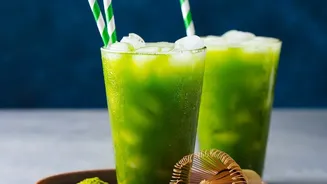
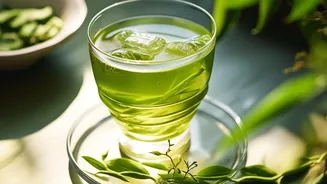
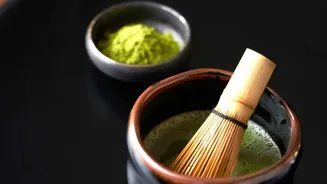
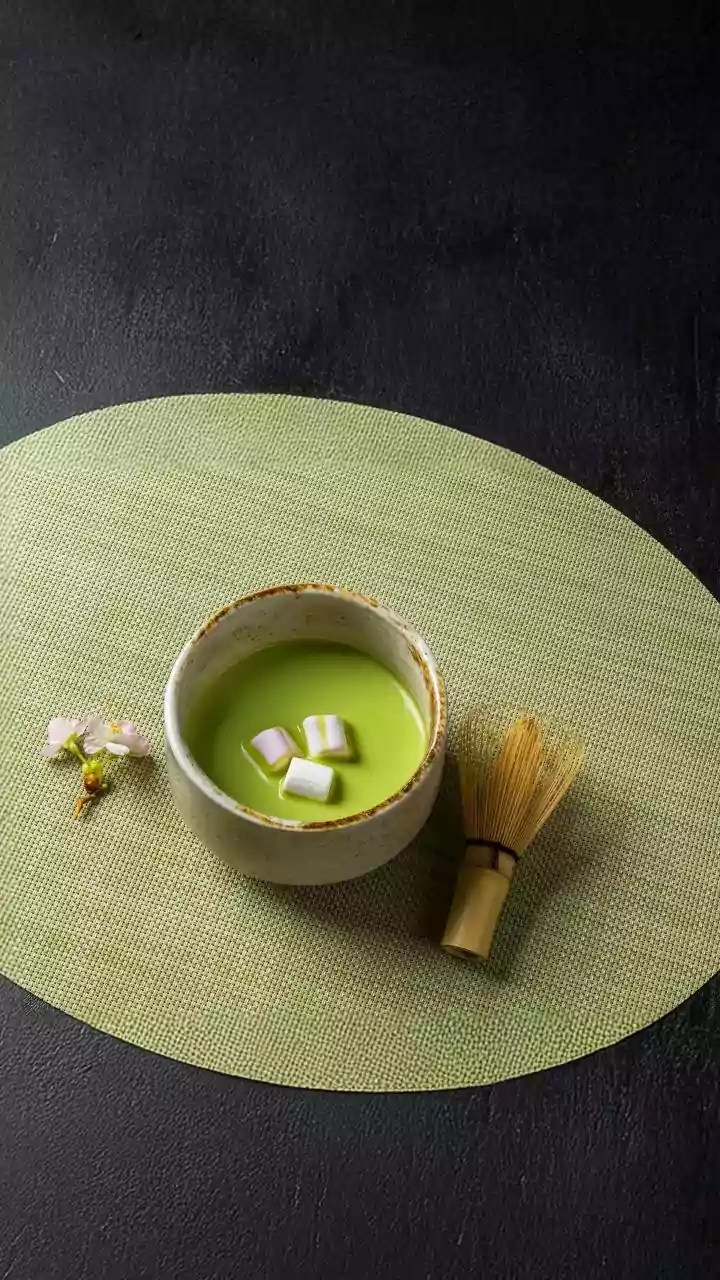
If you're inspired to try matcha, a few tips can help you get the best result. First, always sift your matcha powder to avoid clumps. A small whisk, especially a traditional bamboo whisk known as a 'chasen', works best to create a smooth, frothy texture, but a regular small whisk or an electric frother will also do the job. The water you use should be hot but not boiling, as boiling water can make the matcha taste bitter. You can enjoy it hot or iced. For a simple iced latte, just whisk the matcha with a little water, pour it over a glass of iced milk, and stir. Feel free to experiment with different types of milk—oat milk is known for being particularly creamy—and sweeteners like honey or maple syrup to find the combination you like best.