
Check Permits and Trail Status First
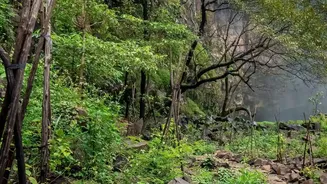
Before you even pack your bags, do your research. Many states have implemented strict rules for monsoon trekking. In Karnataka, for instance, online registration via the Aranya Vihara portal is mandatory for trekking in forest areas. Spots are limited,
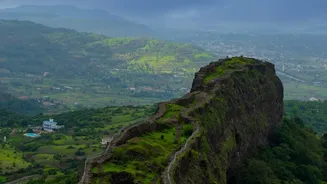
with daily caps on trekkers, and on-the-spot bookings are not allowed. Many popular trails, like Kumara Parvatha, may be closed entirely during peak monsoon. Authorities across Maharashtra, Goa, and Karnataka have banned or restricted access to several forts, waterfalls, and high-risk trails due to safety concerns like landslides and flash floods. Always check the latest advisories from the local Forest Department and weather forecasts from the India Meteorological Department before you leave home.
Gear Up for a Drenching
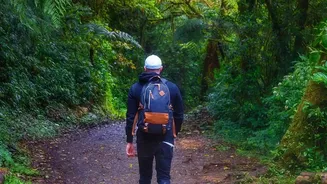
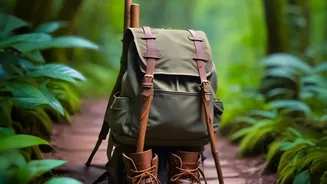
Monsoon trekking is not just about getting a little wet; it's about managing hours of continuous rain. Your gear must be up to the task. A high-quality poncho is often better than a rain jacket as it covers you and your backpack while offering better ventilation. Inside your pack, use dry bags or waterproof liners to protect electronics, a first-aid kit, and a set of dry clothes. Cotton is a bad choice as it gets heavy and stays damp; opt for quick-drying synthetic T-shirts and pants instead. Perhaps most crucial are your shoes. Proper trekking shoes with deep grooves for grip on slippery rocks and muddy trails are non-negotiable. Avoid sneakers or casual sports shoes at all costs.
Hire a Guide and Never Trek Alone
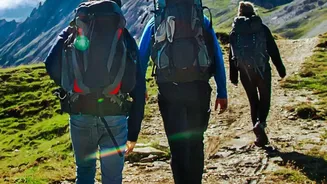
The misty, disorienting conditions of a monsoon trek make it easy to lose your way. Authorities now mandate that treks in many designated forest areas must be accompanied by an authorised local guide. In Karnataka, a guide-to-trekker ratio of 1:10 is often enforced. Solo trekking is strongly discouraged and often prohibited. A local guide not only knows the safest routes but can also respond to emergencies in areas with poor mobile connectivity. Always inform a friend or family member of your exact itinerary, including your expected return time.
Know the Real Monsoon Dangers
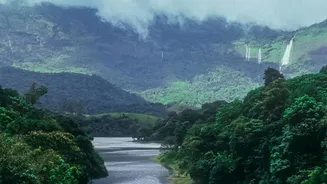
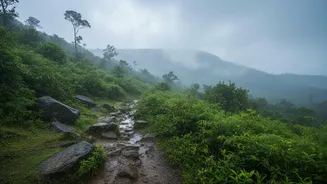
The rain itself isn't the biggest threat. The real dangers are more specific and require constant vigilance. Flash floods can surge through narrow gullies even if it isn't raining where you are. Lateritic rock, common in the Ghats, becomes incredibly slippery when wet, turning simple climbs into hazardous challenges. And streams that are ankle-deep in winter can become dangerously swollen and uncrossable after heavy rain. Never attempt to cross a fast-flowing stream. Also be mindful of leeches, which are common in the wet forests; wear full-length socks and tuck your trousers into them.
Pack a Smart First-Aid and Snack Kit
Your first-aid kit should be prepared for monsoon-specific issues. Include antiseptic wipes, bandages for blisters and cuts, pain relievers, and oral rehydration salts (ORS) sachets. Emergency supplies like a whistle, a headlamp with extra batteries, and a power bank for your phone are also essential. For energy, pack high-density snacks like chikki, nuts, and dry fruits. These are lightweight and provide sustained energy. Avoid chocolate, which can melt. Ensure you carry enough water, at least two litres per person, as trails may not have reliable clean water sources.
Respect Nature and Local Rules
The increased popularity of trekking has put a strain on these ecologically sensitive areas. Adhere to the principles of responsible tourism. Do not litter; carry all your waste back with you. Many protected areas have banned single-use plastics. Stay on the designated trails to avoid causing erosion and disturbing wildlife. Remember that taking risks for selfies or straying from your group can lead to serious accidents and puts a strain on local rescue resources.