






More Than Just Roughage
For years, fiber was simply known as ‘roughage’—the stuff in your food that helps you stay regular. While that’s true, it’s only a tiny part of the story. Dietary fiber is a type of carbohydrate that the body can’t digest. It passes through your system
largely intact, but its journey is anything but passive. There are two main types: soluble fiber, which dissolves in water to form a gel-like substance (found in oats, apples, and beans), and insoluble fiber, which adds bulk to stool (found in whole grains and vegetables). The modern understanding of fiber goes much deeper, casting it as a ‘prebiotic’—essentially, food for the trillions of beneficial bacteria living in your gut. This is the key to why it's become a wellness superstar.
The Gut Health Connection
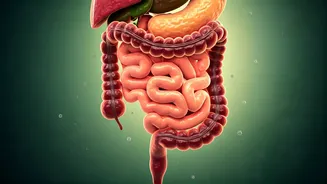
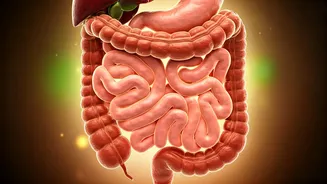
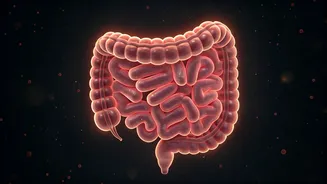
The current fiber craze is intrinsically linked to the explosion of interest in the gut microbiome. Think of your gut as a bustling city of microorganisms that influence everything from your digestion to your immune system and even your mood. For this city to thrive, its residents need the right kind of fuel. High-fiber foods provide that fuel. When good gut bacteria feast on fiber, they produce compounds called short-chain fatty acids (SCFAs). These SCFAs have powerful anti-inflammatory effects, help strengthen the gut wall, improve insulin sensitivity, and support overall metabolic health. A well-fed microbiome means a healthier you, which is why a high-fiber lifestyle is now seen as a cornerstone of preventive health, not just a fix for digestive issues.
Why the Sudden Popularity?
So, why is everyone suddenly obsessed with fiber? Several cultural shifts are at play. The post-pandemic era has ignited a renewed focus on proactive health and immunity, and a healthy gut is central to a strong immune response. Secondly, social media has amplified the message, with wellness influencers and nutrition experts demystifying the science of gut health for millions. Finally, there's a growing backlash against the world of ultra-processed foods—packaged snacks, sugary drinks, and refined grains that are stripped of their natural fiber. People are increasingly seeking a return to whole, unprocessed foods, and a fiber-rich diet is the natural outcome of that desire. It represents a move towards eating real food that nourishes the body from the inside out.
A Return to Indian Roots
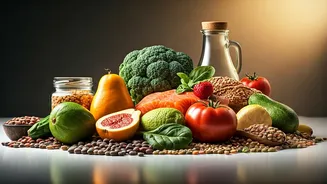
What’s fascinating about this global trend is that for India, it’s less of a discovery and more of a homecoming. Traditional Indian diets have always been inherently rich in fiber. Our plates were historically filled with a diverse range of millets like jowar, bajra, and ragi, all of which are fiber powerhouses. Legumes and lentils, the foundation of countless dals and curries, are packed with both fiber and protein. A seasonal sabzi made with local vegetables, a side of fresh salad, and fruits for snacks were standard fare. The modern 'high-fiber' trend is, in many ways, a rediscovery of the wisdom embedded in our grandparents' eating habits. It's about moving away from refined white rice and maida towards the whole grains and plant-based diversity that our cuisine celebrates.
Easy Ways to Boost Your Intake
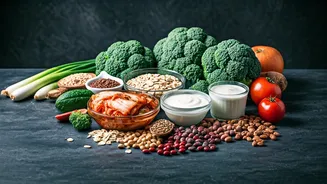
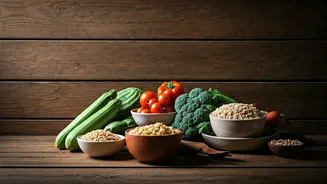
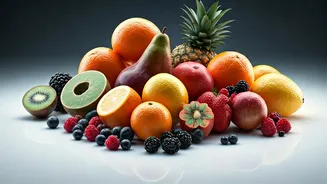
Incorporating more fiber doesn't require a drastic diet overhaul or expensive superfoods. Small, consistent swaps can make a huge difference. Start by trading white bread and rice for their whole-grain or brown-rice counterparts. Make millets a regular part of your meals, perhaps by making ragi rotis or a jowar khichdi. Ensure at least half your plate is filled with vegetables at lunch and dinner. Snack on whole fruits (with the skin on, like apples) instead of juice. A handful of nuts and seeds like almonds, walnuts, and chia seeds can also significantly boost your fiber intake. And don't forget the humble isabgol (psyllium husk), a traditional Indian remedy that is an excellent source of soluble fiber when mixed with water.
A Gentle Word of Caution
While increasing fiber is beneficial, it’s best to do it gradually. A sudden jump in intake can lead to gas, bloating, and discomfort as your digestive system adjusts. Increase your consumption over several weeks to give your gut microbiome time to adapt. Most importantly, as you increase fiber, you must also increase your water intake. Fiber, especially soluble fiber, absorbs water to do its job effectively. Without enough hydration, it can have the opposite of the desired effect. Be mindful of processed foods that are fortified with 'added fiber'—while better than nothing, the benefits are always greatest when you get your fiber from whole-food sources like fruits, vegetables, and grains.