




The Deceptive Calm of August
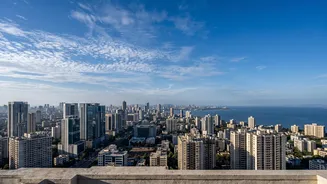
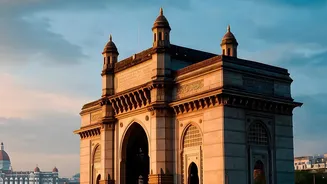
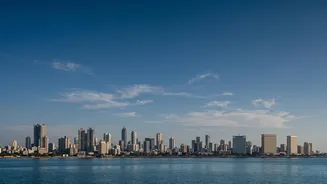
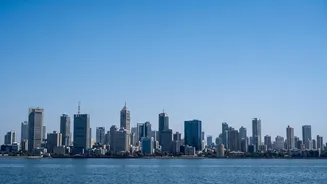
By the last week of August 2026, Mumbai's rainfall has been noticeably subdued. According to the India Meteorological Department (IMD), the Santacruz observatory recorded just over 302 mm of rain between August 1 and 25. This is a fraction of what the city
received in the same period last year, and well below the monthly average of over 560 mm. For a city accustomed to August downpours causing waterlogging and transport chaos, the mostly dry days have been a respite. Despite the slow month, the city's water supply lakes are in a healthy position, with collective storage at nearly 96% of capacity as of August 27, thanks to earlier rains. But meteorologists and climate scientists caution against interpreting this lull as a positive sign.
A National Picture of Extremes
While Mumbai experienced a lull, the monsoon's behaviour across the country reveals a more erratic and worrying pattern. The 2026 season has been a story of uneven distribution. Overall, the country's cumulative rainfall was 13% below normal as of late August. However, this national deficit hides regional extremes. While some areas have faced deficient rainfall, others have been hit by sudden, intense downpours. In July, for instance, extremely heavy rainfall events occurred in states like Gujarat and Rajasthan. This paradox of overall deficit coupled with localised deluges is becoming a defining feature of India's monsoons. As one forecast put it, the pattern is increasingly 'drought nationally, deluge locally'. Even in a below-normal monsoon year, intense rainfall events can trigger catastrophic floods and landslides.
It's Not the Amount, It's the Pattern
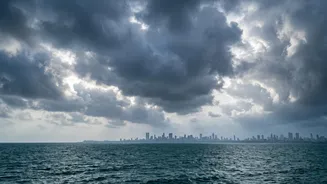
The real story is not just the total volume of rain, but its changing character. Climate change is making the Indian monsoon more chaotic and volatile. The established rhythm of steady, moderate rainfall spread over four months is breaking down. Instead, scientists observe a trend towards long dry spells punctuated by short, intense bursts of extreme rain. A study by the Council on Energy, Environment and Water (CEEW) found that in the last decade, 64% of Indian tehsils have seen an increase in the frequency of heavy rainfall days. For every degree Celsius of warming, monsoon rainfalls are projected to increase by about 5%, making them stronger and more erratic. This means the monsoon is not just a season of life-giving water, but increasingly a source of unpredictable weather extremes.
The Dangers of a Volatile Monsoon
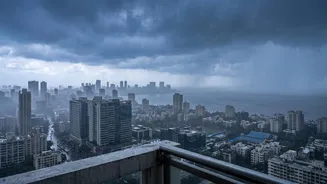
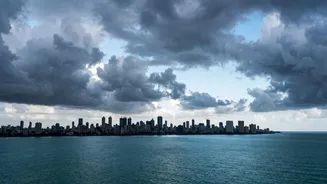
This new pattern of extremes carries dual threats. Long dry spells, like the one seen in Mumbai this August, can strain water resources and impact agriculture, which depends on timely rainfall. Conversely, when the rain does arrive, its increased intensity overwhelms urban infrastructure designed for a different climate. City drainage systems cannot cope with receiving a week's worth of rain in a few hours, leading to the flash floods that have become common across Indian cities. This volatility impacts everything from crop cycles and food security to public health and the economy. The danger is no longer simply about too much or too little rain; it is the collapse of predictability in a system that over a billion people depend on.
Adapting to a New Climate Reality
A quiet August in Mumbai is not a sign of a weakening monsoon, but a symptom of its growing instability. Focusing on a single month's data misses the bigger picture of increasing climate risk. The headline-grabbing events are often the floods, but the silent, creeping droughts in between are just as significant. This shift demands a change in how we plan for the future. From building more resilient urban infrastructure and better water management systems to adopting climate-smart agricultural practices, adapting to this new reality is critical. The challenge is no longer just about managing a seasonal weather pattern, but about building resilience to a climate that is fundamentally more erratic and dangerous.