



The Kitchen Cabinet Makeover
There's a quiet revolution happening in Indian kitchens, led by a generation that reads labels as carefully as they scroll through their feeds. Gen Z, known for its focus on wellness, sustainability, and transparency, is increasingly questioning the everyday
staples their parents used. At the forefront of this scrutiny are cooking oils. The large, generic bottles of refined vegetable, sunflower, or soybean oil are being eyed with suspicion. In their place, you'll find a growing interest in traditional, less-processed alternatives like cold-pressed mustard, coconut, groundnut, and sesame oils. This isn't just about flavour; it's part of a larger movement towards 'clean eating'—choosing foods that are as close to their natural state as possible.
What Exactly Are Refined Oils?
For decades, refined oils have been the workhorses of the Indian kitchen. Think of brands advertising light, odourless oils perfect for any type of cooking. 'Refined' refers to the production process. To extract the maximum amount of oil from seeds like sunflower, soybean, or canola, manufacturers use high heat and chemical solvents (like hexane). The resulting crude oil is then further processed—degummed, neutralised, bleached, and deodorised—to create a product with a neutral taste, a long shelf life, and a high smoke point, making it suitable for deep frying. While this process is efficient and creates a versatile product, critics point out that the high temperatures and chemical treatments can strip the oil of its natural nutrients, antioxidants, and flavour, while potentially altering its fatty acid structure.
The Cold-Pressed Alternative
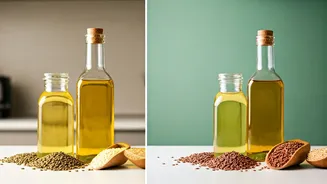
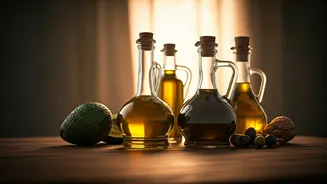
Cold-pressed oil, or 'kachchi ghani' as it's traditionally known in India, is exactly what it sounds like. The oil is extracted from seeds or nuts using a mechanical press at low temperatures, without the use of chemical solvents. This method is slower and yields less oil, which is why these oils are typically more expensive. However, because the process avoids high heat, the oil retains much more of its natural goodness. This includes its original flavour, aroma, colour, and, most importantly, its nutrients. Cold-pressed oils are richer in antioxidants, vitamins (like Vitamin E), and healthy fatty acids that are often lost during the refining process. They are, in essence, a more wholesome and unadulterated product.
So, Are They Actually Healthier?
The science largely supports the idea that cold-pressed oils offer more nutritional benefits. The antioxidants they retain help fight free radicals in the body, which are linked to chronic diseases. The natural fatty acid profiles are preserved, offering benefits for heart health. However, it's not a simple case of 'good' vs. 'bad'. The most important factor is how you use the oil. Cold-pressed oils often have lower smoke points than their refined counterparts. The smoke point is the temperature at which an oil starts to break down and burn, producing harmful compounds. For example, using extra virgin olive oil (a cold-pressed oil) for deep frying is a bad idea, as its low smoke point will cause it to degrade. But for salad dressings or light sautéing, it's excellent. Conversely, a refined oil with a high smoke point is a better choice for high-heat cooking. The key is to match the oil to the cooking method.
A Practical Guide to Your Pantry
Embracing this trend doesn't mean throwing out everything in your kitchen. It’s about making informed choices. Here’s a simple way to think about it:
- For High-Heat Cooking (Deep Frying, Searing): A refined oil with a high smoke point is still a practical choice. Alternatively, cold-pressed coconut or groundnut oil can also handle moderately high heat.
- For Everyday Cooking (Sautéing, Tadkas): Cold-pressed mustard oil (a staple in North and East India), groundnut oil, or sesame oil are fantastic choices. They add incredible flavour and retain their nutrients at moderate temperatures.
- For Dressings and Drizzling: Use flavourful, delicate oils that you don't want to heat. Extra virgin olive oil is classic, but flaxseed, walnut, or even a high-quality cold-pressed mustard oil can be used to finish a dish.