







What Exactly Is an Emergency Fund?
Think of an emergency fund as your personal financial first-aid kit. It's a pool of money set aside specifically for unexpected and urgent expenses, not for planned purchases like a vacation or a new phone. Its main purpose isn't to generate high returns
but to be a reliable cushion that protects you from financial shocks. This could be anything from a sudden job loss, a critical medical bill, urgent home repairs after a monsoon, or any other major, unforeseen event that requires immediate funds. Having this fund means you can handle a crisis without derailing your long-term financial goals or falling into a cycle of debt.
The New Reality of Unpredictable Costs
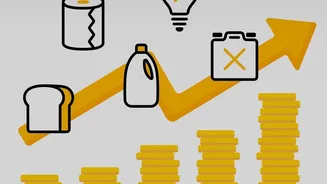
In 2026, Indian households are feeling the pressure of rising costs for daily necessities. Factors like inflation, fluctuating fuel prices, and global economic shifts mean that your monthly budget for essentials like food, transport, and utilities can be a moving target. Recent surveys from the Reserve Bank of India show that households are increasingly worried about inflation, with expectations for the year ahead rising. This unpredictability makes it harder to plan. When your income isn't growing as fast as prices, your spending power decreases. An emergency fund acts as a crucial buffer, giving you the breathing room to manage these rising costs without added stress.
How Much Is Enough?
The golden rule recommended by most financial experts is to have enough money in your emergency fund to cover three to six months of essential living expenses. To calculate your target, focus only on your necessary costs: rent or EMI, groceries, utility bills, insurance premiums, school fees, and transport. Exclude discretionary spending like dining out, shopping, and entertainment. Your specific goal can vary based on your personal situation. For example, a single person with a stable job might aim for three months of expenses, while a family with dependents or a freelancer with a variable income might target six to twelve months for greater security.
Simple Steps to Start Building Your Fund
The idea of saving six months of expenses can feel overwhelming, but the key is to start small and be consistent. Begin by setting an achievable initial target, like saving for one month's expenses or even just ₹25,000. The most effective strategy is to automate your savings. Set up an automatic transfer to a separate savings account right after you get your salary. This 'pay yourself first' approach ensures that you are consistently building your fund without having to rely on whatever is left at the end of the month. If you receive any extra income, like a bonus or a tax refund, consider putting a significant portion of it directly into your emergency fund to reach your goal faster.
Where to Keep Your Emergency Money
The most important features of an emergency fund are safety and liquidity, meaning the money should be safe and easily accessible when you need it. This is not the place for high-risk investments like stocks, which can lose value when you might need the cash most. A good strategy is to layer your fund. Keep a portion, perhaps one month's worth of expenses, in a high-yield savings account for instant access. The rest can be placed in slightly less liquid but still safe options like short-term fixed deposits (FDs) or liquid mutual funds, which typically offer better returns than a standard savings account while still being accessible within a day or two.