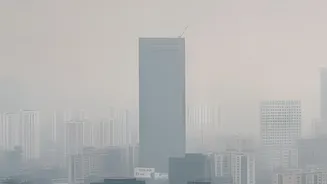








When a thick blanket of smog descends on the city, closing the doors and windows feels like the most logical defence. But your home is not an airtight fortress. Dangerous outdoor particles have several unseen ways of getting inside.
Understanding the Invisible Invader: PM2.5
The primary culprit
during smog events is PM2.5—fine particulate matter so small it's about 30 times thinner than a human hair. These microscopic particles come from vehicle exhaust, industrial emissions, and smoke. Because of their minuscule size, they can bypass many of the body's natural defences, penetrating deep into the lungs and even entering the bloodstream, where they are linked to significant heart and lung diseases. While we also generate PM2.5 indoors from sources like cooking and burning candles, a large portion of what we breathe at home during a smog episode actually originates outside.
The Obvious Entry Points: Natural Ventilation
The most straightforward way polluted air enters your home is through natural ventilation. This includes any time you open doors and windows. While this is often a great way to bring in fresh air, during periods of heavy smog, it becomes a direct channel for pollutants. Even a briefly opened door can invite a significant amount of outdoor pollutants inside, which then become trapped. The key is to be mindful of outdoor air quality; when levels are hazardous, it is best to keep windows and doors sealed as much as possible to prevent this direct exchange.
The Hidden Cracks: Infiltration and the Building Envelope
Even with everything shut, outdoor air still gets in. This process is called infiltration, where air leaks through countless small gaps in a building's 'envelope'—the barrier between the inside and outside. These leaks are often found around window and door frames, through gaps near electrical outlets and plumbing penetrations, and in cracks in the walls or foundation. Older, less airtight homes are particularly vulnerable to higher infiltration rates. Studies show that this uncontrolled air movement is a major pathway for PM2.5, meaning that a significant percentage of outdoor pollutants can still end up inside your home, even when it feels sealed.
Mechanical Culprits: Ventilation and Exhaust Systems
Your home's mechanical systems can also unwittingly pull in polluted air. Many HVAC (heating, ventilation, and air conditioning) systems are designed to bring in some outdoor air. If the system's filters are old or not designed to capture fine particles (like those with a low MERV rating), they can draw in and circulate smog throughout your home. Similarly, exhaust fans in your kitchen and bathroom work by pushing indoor air out, which creates negative pressure that pulls replacement air in from the outside through any available crack or leak, bringing pollutants with it.
Hitching a Ride: The Human Factor
Finally, pollutants can simply hitch a ride inside with you. Particulate matter can settle on your clothes, hair, shoes, and bags. When you walk through the door, you carry these particles with you, releasing them into your indoor environment. While this might seem like a minor source, the cumulative effect of people coming and going can contribute to the overall particle load inside the home. Implementing a 'shoes_off' rule and changing clothes after spending significant time outdoors during heavy smog can help reduce this 'piggybacking' effect.