




Understanding the Post-Monsoon Window
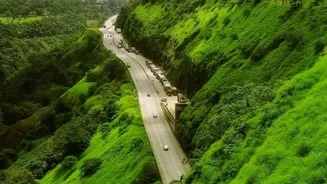
The Southwest Monsoon doesn't end abruptly; it withdraws gradually across the subcontinent from early September to mid-October. This staggered retreat creates a 'sweet spot' for travel. The rains have washed the dust from the air, turning the countryside
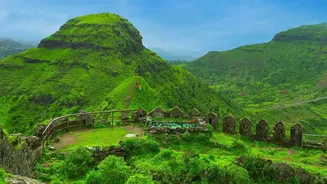
a vibrant, saturated green. Rivers and waterfalls, fed by months of rain, are at their most spectacular, while the oppressive humidity gives way to crisp, pleasant weather. It is a time of rejuvenation, not just for nature, but for travellers seeking to avoid the crowds of peak tourist seasons. This period, roughly from late September to November, is when many destinations are at their most beautiful and accessible before the winter chill sets in.
The Rejuvenated Western Ghats
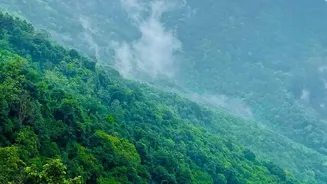
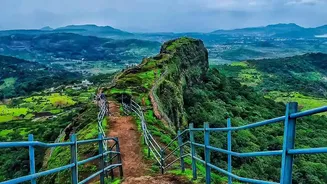
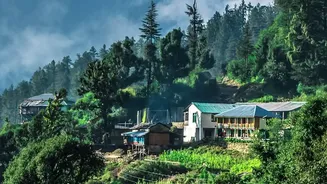
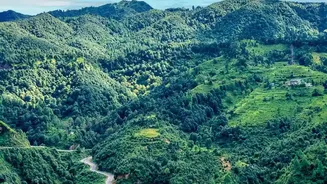
Running parallel to India's western coast, the UNESCO World Heritage-listed Western Ghats are spectacular after the rains. Hill stations like Munnar and Wayanad in Kerala, and Coorg and Chikmagalur in Karnataka, are transformed into seas of green. The tea and coffee plantations glisten with post-rain freshness, and mist clings to the valleys, creating cinematic landscapes. It's the perfect time for scenic drives, visiting powerful waterfalls like Abbey Falls in Coorg, and enjoying the cool, fragrant air. While the peak monsoon can bring travel disruptions, the post-monsoon phase offers the best of both worlds: lush scenery and safer, more accessible conditions.
Clear Skies for Himalayan Treks
For trekkers, the end of the monsoon signals the start of a prime season. The heavy rains wash the atmosphere clean, offering exceptionally clear views of snow-capped Himalayan peaks. Popular trekking routes in Uttarakhand and Himachal Pradesh, which can be treacherous during the monsoon, become accessible and are lined with vibrant post-monsoon flora. Treks like the Valley of Flowers in Uttarakhand, famous for its explosion of alpine blooms, are at their absolute best in the weeks immediately following the rains. Routes such as the Rupin Pass and Pin Bhaba Pass also open up, offering passage through lush valleys and over dramatic passes under stable, dry conditions.
Wildlife Sanctuaries Reopen Their Gates
Many of India’s most famous national parks and tiger reserves, especially in Central India, close their core zones during the monsoon from July to September. October marks their grand reopening. Parks like Ranthambore, Kanha, and Bandhavgarh welcome visitors back to freshly rejuvenated forests. While dense foliage can sometimes make sightings a little more challenging than in the dry summer months, the landscape is stunningly alive. Animals are active, water sources are plentiful, and the tourist crowds are thinner than in the peak winter season. In the south, parks like Periyar in Kerala, which remain open year-round, are particularly rewarding as elephants are often seen along the lake's edge.
A Different Shade of Rajasthan and Goa
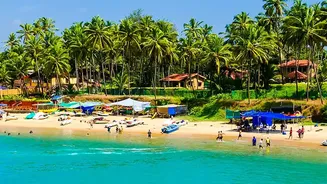
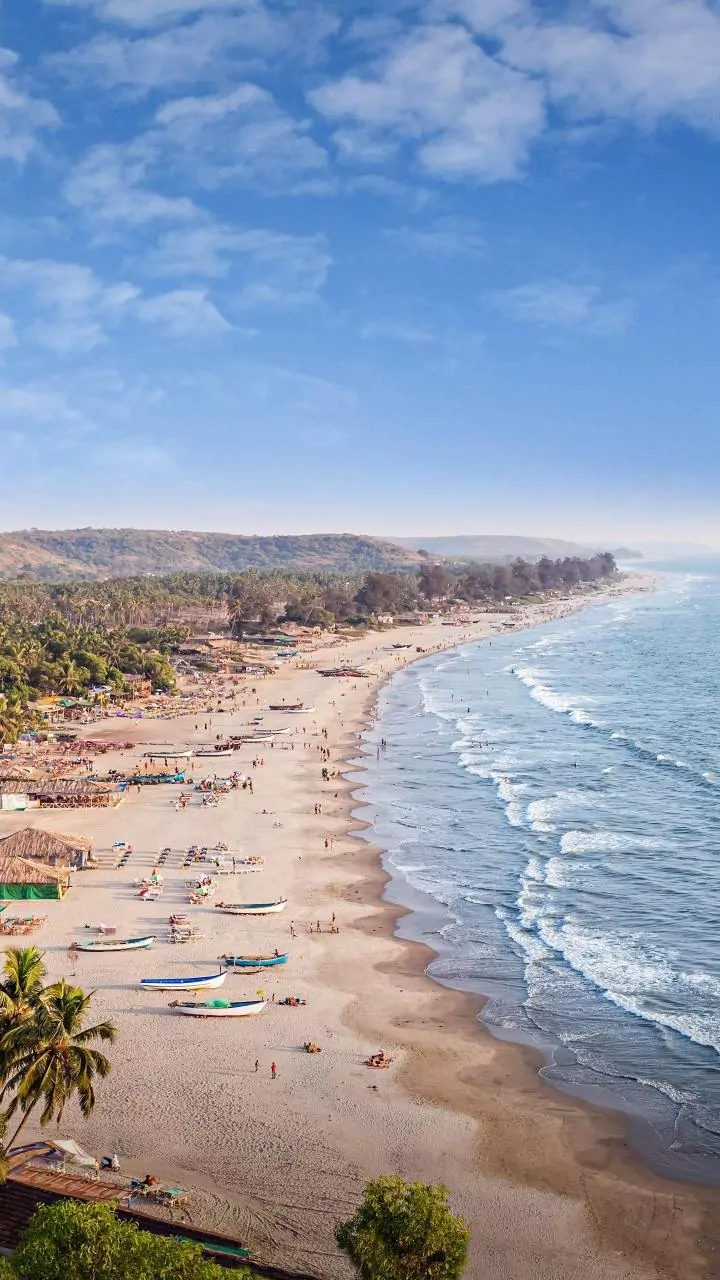
Post-monsoon is also a fantastic time to see a different side of India’s more arid or coastal destinations. In Rajasthan, the landscape, particularly around Udaipur, sheds its dry persona for a brief period of surprising greenness. The lakes are full, the air is cooler, and the palaces seem to sparkle against clear blue skies. In Goa, the tourist season officially kicks into gear in October as the monsoon recedes. Before the peak December crowds arrive, you can enjoy freshly reopened beach shacks, clearer waters for swimming and watersports, and lush green spice plantations under bright, sunny skies. It’s a chance to experience these popular states in a more tranquil and revitalized state.