



The Agony of an Active Life
Whether you are a dedicated gym-goer, a weekend cricketer, or a long-distance runner, post-exercise muscle soreness is a familiar companion. This pain is the result of microscopic tears in your muscle fibres and the inflammation that follows as your body
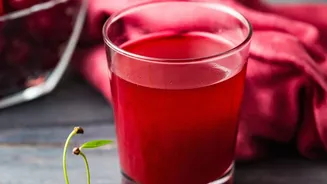
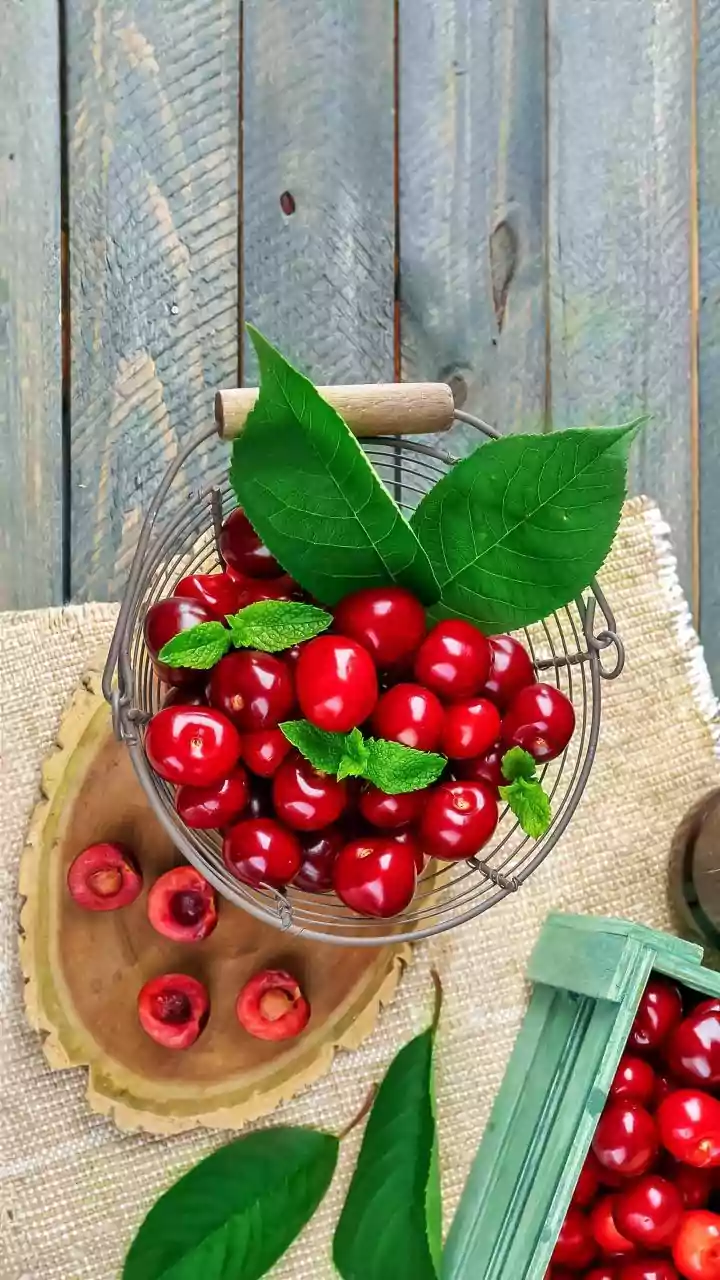
begins to repair them. While this process is essential for building strength, excessive inflammation can hinder recovery, reduce your ability to train consistently, and simply make it hard to walk down the stairs. Active adults are constantly seeking ways to bounce back faster, and a growing body of evidence points towards a simple, ruby-red beverage: tart cherry juice.
The Science Behind Tart Cherries
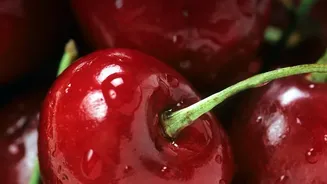
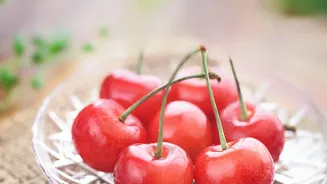
The secret to tart cherry juice’s power lies in its high concentration of specific compounds called anthocyanins. These are powerful antioxidants and anti-inflammatory agents that give cherries their vibrant red colour. Research shows these compounds work to reduce exercise-induced inflammation and oxidative stress. Studies on athletes, from marathon runners to cyclists, have found that those who supplement with tart cherry juice experience significantly less muscle pain, less strength loss, and faster recovery compared to those who don't. Some research suggests it helps protect muscle fibres from damage during intense exercise and reduces key inflammatory markers that spike after a hard workout.
How to Use Tart Cherry Juice
To get the benefits, consistency and timing are key. Most studies use tart cherry varieties like Montmorency, which are particularly rich in anthocyanins. The common protocol involves drinking about 240 ml of juice or taking 30 ml of a concentrate twice a day. For best results, athletes often start this routine 4 to 7 days before a major event or an intense training block and continue for a few days after. You can drink it within 30 minutes of finishing a workout to kickstart recovery or have a serving in the evening. Tart cherries also contain natural melatonin, which may offer the added benefit of improved sleep, a crucial component of recovery.
Beyond the Juice: More Anti-Inflammatory Hacks
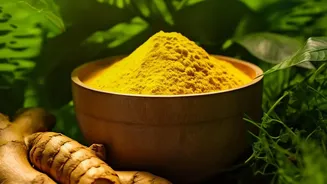
Tart cherry juice is a powerful tool, but it works best as part of a broader strategy. Here are other natural, anti-inflammatory hacks to support your active body: Turmeric (Curcumin): The active compound in turmeric, curcumin, is a potent anti-inflammatory. Adding this golden spice to your curries, milk, or smoothies can help manage post-workout inflammation. For better absorption, combine it with a pinch of black pepper. Omega-3 Fatty Acids: Found in fatty fish like salmon and sardines, as well as in walnuts, flaxseeds, and chia seeds, omega-3s are well-known for their ability to combat inflammation. Ginger: Like its cousin turmeric, ginger contains powerful anti-inflammatory and antioxidant compounds. A warm cup of ginger tea or adding fresh ginger to your meals can help soothe sore muscles. Magnesium: This essential mineral plays a key role in muscle function and can act as a natural muscle relaxant. Foods rich in magnesium include spinach, pumpkin seeds, almonds, and black beans.
A Holistic Approach to Recovery
While these natural remedies can provide significant relief, they are not magic bullets. They are most effective when integrated into a comprehensive recovery plan. This means prioritising sleep, staying hydrated, and consuming a balanced diet rich in protein and complex carbohydrates to refuel your body. Some sports scientists also caution that consistently blunting inflammation might interfere with long-term training adaptations. Therefore, it might be best to use these powerful anti-inflammatory aids strategically, such as during periods of intense competition or particularly gruelling training, rather than after every single session. Listening to your body remains the most important rule. These hacks can help you manage the stress of an active lifestyle, but they should complement, not replace, fundamental recovery practices like rest.