




The Unpredictable Monsoon
India's agricultural rhythm has always danced to the tune of the monsoon, which delivers about 70% of the country's annual rainfall. [7] But climate change is making this dance unpredictable. [3] The 2026 summer monsoon, for instance, started weakly,
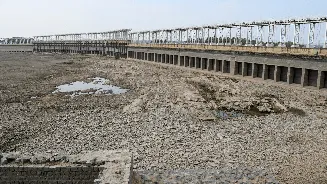
with rainfall 43% below average by mid-June, prompting forecasts of a "below-normal" season. [7, 13] This isn't just about less rain; it's about erratic patterns—long dry spells punctuated by intense downpours—that damage crops, stress water resources, and threaten the livelihoods of millions of farmers. [3, 19] With nearly half of India's farmland lacking irrigation, this volatility puts immense pressure on staples like rice and wheat, which are notoriously thirsty. [7, 11]
Rediscovering 'Super Grains'
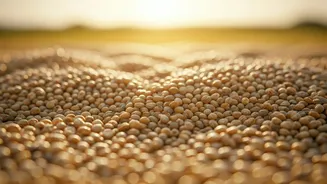
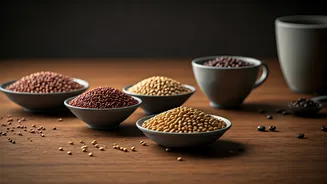
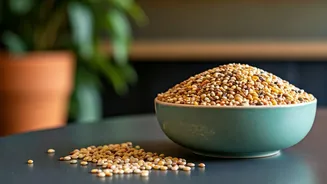
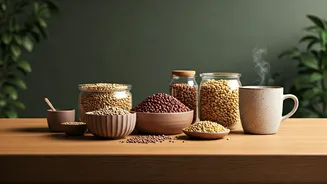
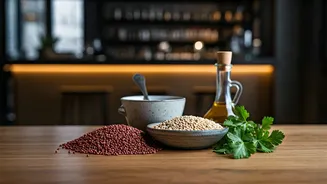
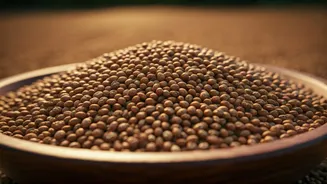
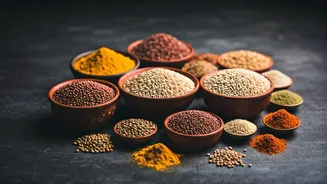
In this challenging scenario, agricultural experts and policymakers are turning their attention to a family of ancient crops: millets. [23] Often called 'super grains' or 'nutri-cereals', this group includes well-known varieties like Jowar (Sorghum), Bajra (Pearl Millet), and Ragi (Finger Millet). [5, 9] For thousands of years, these grains were staples in the Indian diet before the Green Revolution prioritized high-yield varieties of rice and wheat. [5, 31] Now, their inherent resilience and nutritional benefits are bringing them back into the national spotlight, not as a relic of the past, but as a crop for the future. [31]
Built for a Tough Climate
The primary advantage of millets in an era of climate change is their remarkable hardiness. [22] They are C4 plants, meaning they have high photosynthetic efficiency and require significantly less water—up to 70% less than rice. [17, 31] Millets can thrive in arid and semi-arid regions, tolerate high temperatures, and grow in marginal, less fertile soil where other crops would fail. [22, 28] Their deep root systems make them incredibly drought-resistant; they are often the last crops standing when rains fail. [10, 29] This climate-smart quality makes them a perfect fit for India’s rain-fed agricultural zones, offering farmers an assured yield even in difficult conditions. [20, 28]
A Nutritional Powerhouse
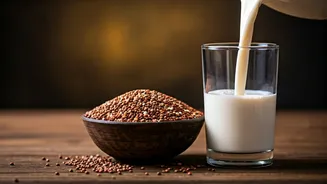
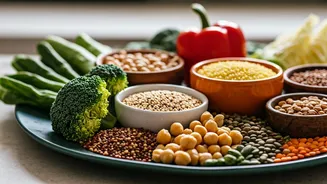
Beyond their agricultural benefits, millets are nutritional champions. [6] They are gluten-free and packed with protein, high dietary fibre, vitamins, and essential minerals. [15, 26] Each millet has its own unique strength: Ragi is a powerhouse of calcium, crucial for bone health; Bajra is exceptionally rich in iron, helping combat anemia; and Jowar is high in antioxidants and fibre that aids digestion and helps manage cholesterol. [9, 21] With a low glycemic index, they release energy slowly, making them ideal for managing blood sugar levels and combating lifestyle diseases like diabetes. [5, 12] This dense nutrient profile makes them a vital tool for enhancing national food and nutritional security. [12]
From Farm to Plate
Recognizing their potential, the Indian government has been actively promoting millets. Following the celebration of 2023 as the International Year of Millets, initiatives like the National Food Security Mission's sub-mission on Nutri-Cereals are providing support to farmers. [4, 14] States like Odisha and Chhattisgarh have launched their own millet missions to revive cultivation. [4] Efforts are also underway to boost consumer demand by including millets in public distribution systems and mid-day meal schemes, and through awareness campaigns by bodies like FSSAI. [27] The food industry is also innovating with millet-based ready-to-eat products, making these ancient grains more convenient and appealing for the modern consumer. [14]