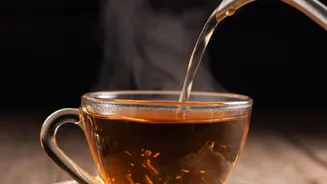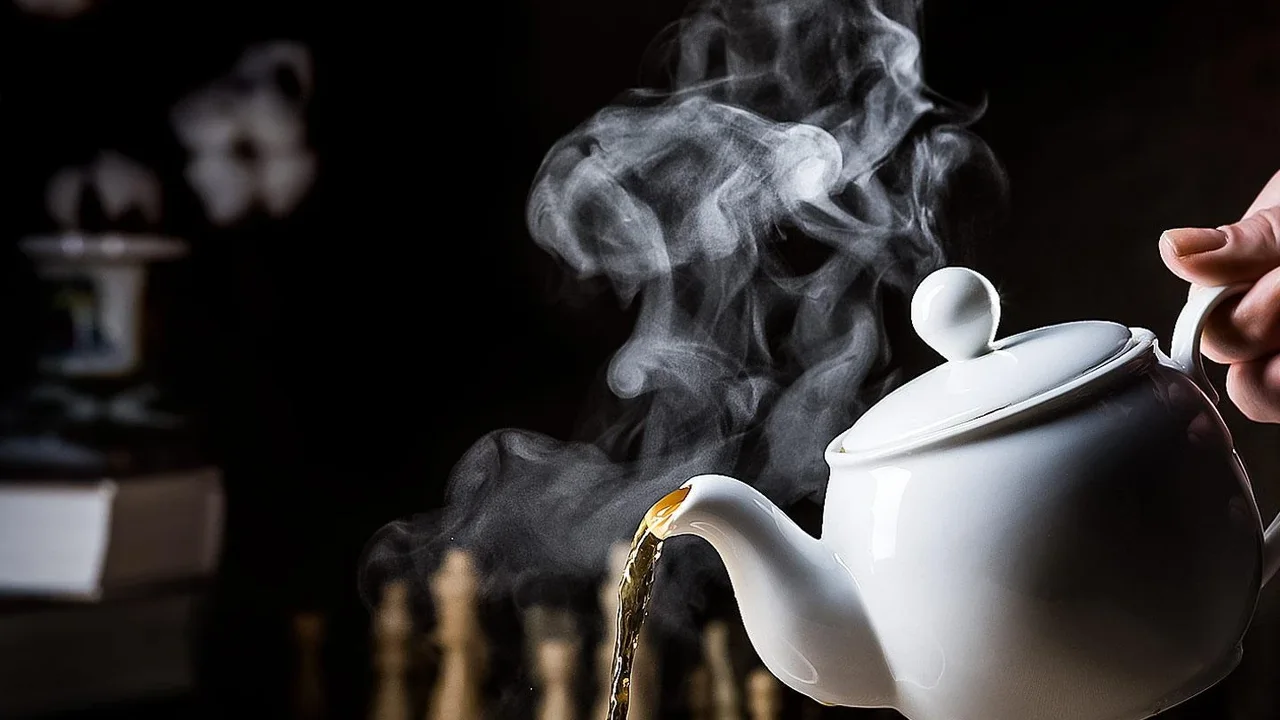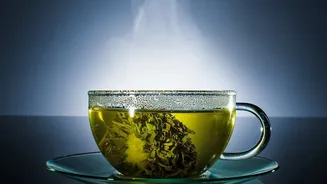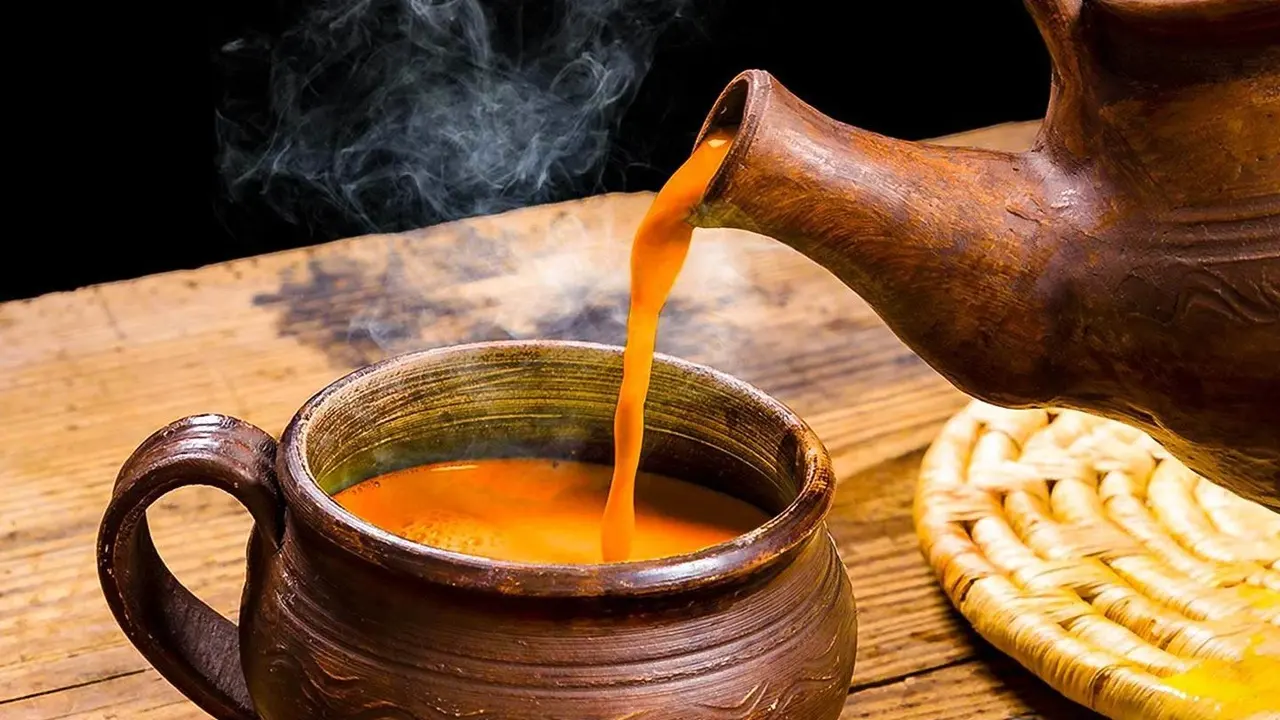

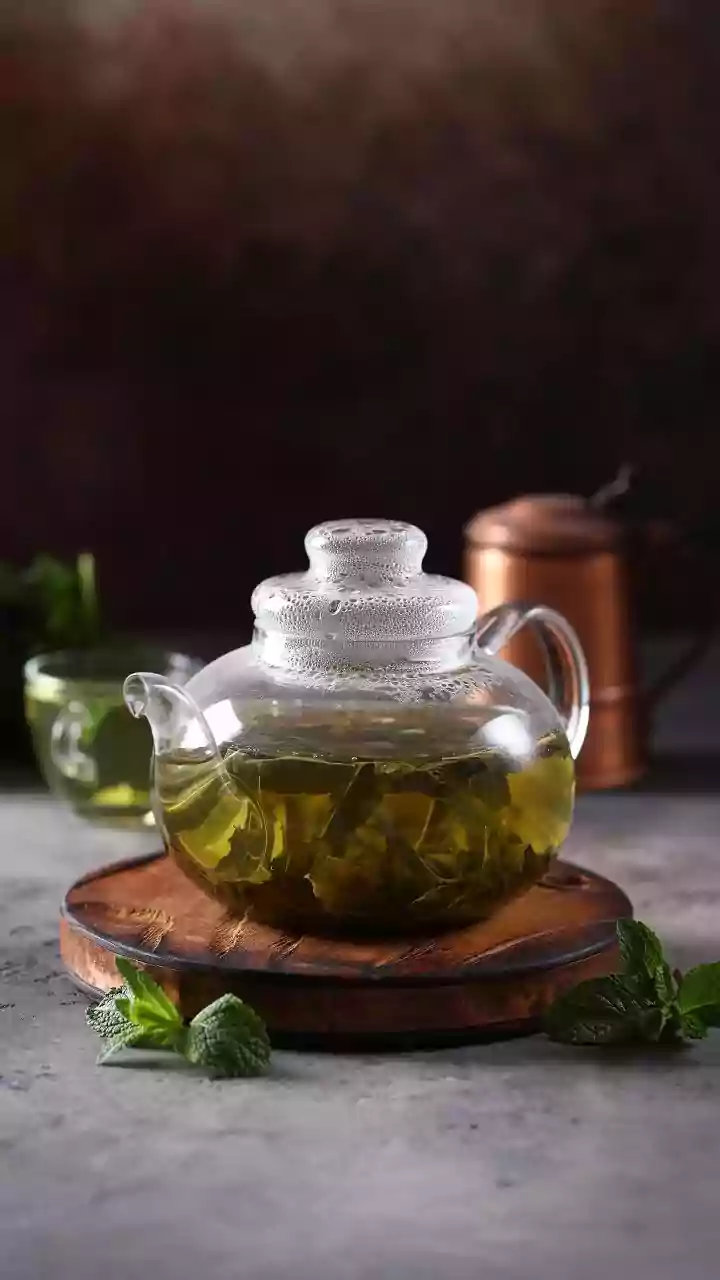


It’s a familiar kitchen scene: you flick the kettle back on for another cup, reboiling the water that’s been sitting there for an hour. But could this simple habit be sabotaging your tea? The debate is real, and science has a clear say.
The Great Kettle Debate
For many, the act
of making tea is a comforting ritual, a small punctuation mark in the day. But among tea aficionados, a quiet debate simmers: should you use fresh water for every boil? The alternative, reboiling water left in the kettle, is a common time-saver. Many of us do it without a second thought, assuming water is just water. However, purists insist that using freshly drawn water every single time results in a noticeably superior cup of tea, with a brighter flavour and clearer appearance. They argue that reboiled water tastes 'flat' or 'dull'. While it might sound like a trivial detail, the difference is grounded in the simple chemistry of what happens when you heat water not once, but multiple times.
The Science of the Boil
To understand why fresh water is better, we first need to look at what’s in it. Tap water isn’t just pure H2O; it contains dissolved minerals and gases, including oxygen and carbon dioxide. These components play a crucial role in the final taste of your brew. When you heat water, its ability to hold onto these dissolved gases decreases, and they begin to escape long before it reaches a rolling boil. Dissolved oxygen, in particular, is considered vital by many experts for a lively, aromatic cup. It helps to release the volatile flavour compounds locked within the tea leaves, creating a fuller, more complex taste profile. A single boil reduces this oxygen content, but the water still retains enough to do its job effectively.
Why Reboiling Changes the Game
When you reboil water, you are starting with a liquid that is already depleted of its original dissolved gas content. Each subsequent boil drives off even more oxygen, leading to water that tea experts describe as 'flat' or 'dead'. But the changes don't stop there. As water evaporates in the form of steam, the dissolved minerals—like calcium and magnesium—do not. They become more concentrated in the remaining liquid. In areas with 'hard' water, this increased mineral concentration can make a significant difference. It can lead to a 'chalky' or heavy taste, mute the tea's delicate aromas, and sometimes create a scummy film on the surface of your drink. While the health implications of this concentration are negligible, the impact on flavour can be surprisingly noticeable, especially with more delicate green or white teas.
Does It Really Make a Difference?
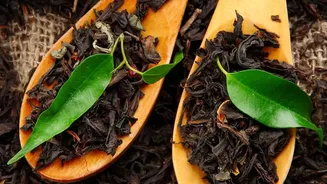
The extent to which you'll notice the difference depends on a few factors. If you live in a soft water area, the effect of concentrated minerals will be less pronounced. Likewise, if you're brewing a strong, robust black tea with milk and sugar, the subtleties might be lost. However, for those who enjoy the nuanced flavours of high-quality loose-leaf teas, particularly green, white, or oolong varieties, the difference can be dramatic. These teas have delicate flavour profiles that are easily 'cooked' or overpowered by water that is not optimal. Reboiled, de-oxygenated, and mineral-heavy water can suppress their floral and sweet notes, amplifying bitterness instead. Some tea drinkers have conducted their own taste tests and found the difference most apparent in white teas, which can become bland, while being less obvious in stronger black teas.
Your Guide to the Perfect Brew
Elevating your daily tea is simpler than you might think. The most important step is to get into the habit of using fresh, cold water for every single boil. Empty your kettle after you’ve used it, and start again next time. Not only does this ensure better flavour, but it also helps reduce the buildup of limescale inside your kettle. To take it a step further, only boil the amount of water you need. This is more energy-efficient and means there's no leftover water to be tempted to reboil later. For true tea perfection, consider the ideal temperature for your chosen leaf. Robust black teas can handle a full rolling boil (around 100°C), but delicate green teas brew best at lower temperatures (around 80°C) to avoid a bitter taste. Using fresh water is the foundation, and temperature control is the finishing touch for a truly exceptional cup.