




The Shift from Floral to Flavourful
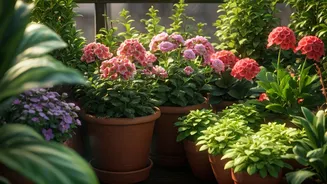
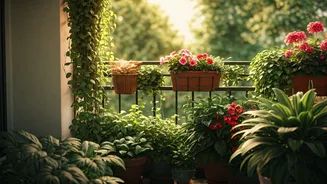
For years, the urban balcony has been a canvas for aesthetic expression. Petunias, marigolds, and bougainvillaea have provided bursts of colour against concrete backdrops. But a noticeable trend is emerging, driven by a blend of practicality, a desire
for freshness, and simple economics. More and more city dwellers are realising that the same small space can yield something far more valuable than just a pretty view: fresh, edible produce. This move towards ‘edible landscaping’ isn't about abandoning beauty; it’s about embracing a new kind of beauty—one that you can taste. It’s the satisfaction of knowing that the garnish on your dal was snipped just moments before, from a plant you nurtured yourself.
Why Coriander is the New King of the Pot
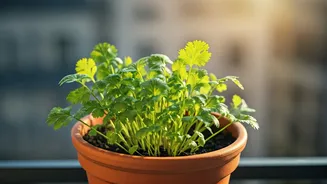
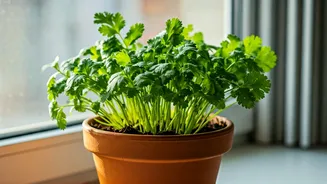
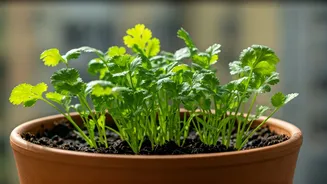
So why coriander, or dhania, as it’s known in kitchens across the country? The answer lies in its perfect suitability for the beginner balcony gardener. Unlike some fussy ornamental plants, coriander is relatively low-maintenance. More importantly, it grows incredibly fast. From seed to harvestable sprig, you can have fresh coriander in as little as three to four weeks. In a country where a handful of fresh dhania is a non-negotiable ingredient in countless daily dishes—from chutneys and dals to curries and raitas—the ability to have a constant, fresh supply is a game-changer. It eliminates the sad fate of the half-used bunch wilting in the fridge and saves you from last-minute trips to the vendor when you realise you've run out.
Your Quick-Start Guide to Growing Dhania
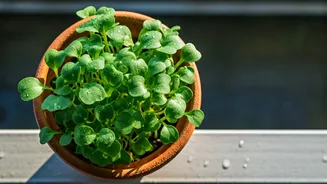
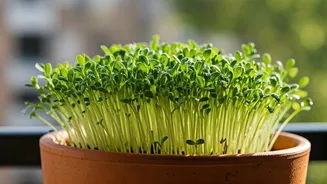
Intimidated by the thought of gardening? Don’t be. Coriander is one of the most forgiving plants you can grow. All you need is a pot, some soil, and seeds. You don’t even need to buy special seeds—the whole coriander seeds (sabut dhania) from your kitchen masala box work perfectly. Simply crush them gently to split them into two halves, as each half sprouts a plant. Fill a pot (at least 6-8 inches deep) with a standard potting mix. Sprinkle the split seeds evenly on the surface and cover them with a thin layer of soil. Water gently to keep the soil moist but not waterlogged. Place the pot where it will get at least 4-5 hours of sunlight. In a few weeks, you'll see delicate green shoots emerge, ready to be snipped and savoured.
The Many Rewards of Your Green Efforts
The benefits extend far beyond convenience. With the fluctuating prices of vegetables, growing your own coriander can lead to real cost savings over time. A single packet of seeds, costing a few rupees, can produce many harvests, saving you the ₹10-20 you might spend on a bunch every few days. Furthermore, you have complete control over what goes into your food. There are no pesticides or unknown chemicals, just pure, flavourful greens. But perhaps the most significant benefit is the intangible one. The simple act of nurturing a plant from seed to table provides a profound sense of connection to our food and a welcome dose of mental peace in our fast-paced urban lives. It’s a small, quiet victory every time you add your own homegrown garnish to a meal.
Beyond Coriander: Your Edible Oasis
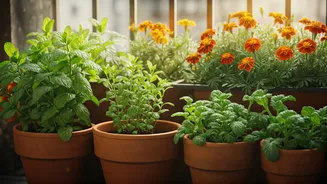
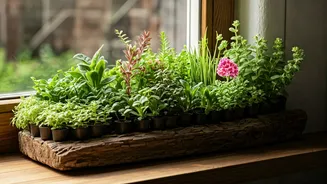
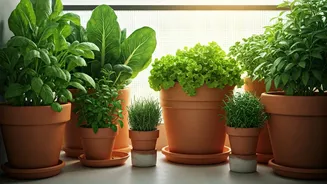
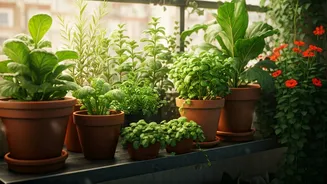
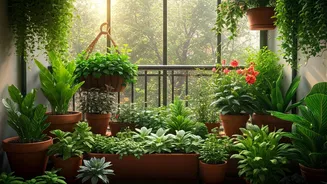
Once you’ve tasted success with coriander, it’s hard to stop. It’s the perfect gateway plant to a wider world of balcony farming. The skills you learn with dhania are easily transferable to other Indian kitchen staples. Think of a pot of vibrant green mint (pudina) for your chai and chutneys, a few fiery chillies (mirchi) ripening in the sun, or the deep green of curry leaves (kadi patta). Even vegetables like cherry tomatoes and spinach can thrive in containers with a bit of care. Your balcony can transform from a simple outdoor space into a living, breathing, and productive part of your kitchen.