




The Post-Monsoon Secret
The primary reason for November's exceptional clarity is the end of the monsoon season. From June to September, moisture-laden winds from the Bay of Bengal bring clouds, rain, and haze, obscuring the peaks and stars. As these monsoon winds retreat in October,
they are replaced by dry, northwesterly airflow. This atmospheric shift acts like a deep clean; the preceding rains wash dust, pollutants, and aerosols from the air, leaving it remarkably transparent. The result is a stable, high-pressure system that brings long stretches of clear, sunny days and profoundly dark nights, setting the stage for unparalleled visibility.
Peak Himalayan Panoramas
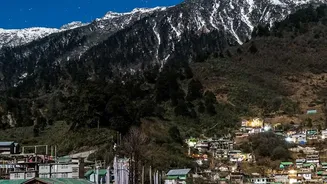
For mountain lovers, this post-monsoon clarity is a gift. Distant, snow-covered Himalayan peaks that were hidden all summer suddenly reappear, looking sharp and magnificent against a deep blue sky. The reduction in atmospheric haze means that views from popular hill stations and trekking routes are at their absolute best. Treks in states like Uttarakhand and Himachal Pradesh become particularly rewarding, offering awe-inspiring panoramas of famous ranges. This effect is so pronounced that during a pollution-reducing lockdown in 2020, residents in Punjab, over 150 kilometres away, were stunned to see the Dhauladhar range of the Himalayas for the first time in decades. November provides this level of clarity naturally, making it the prime season for peak-gazing.
A Universe Unveiled
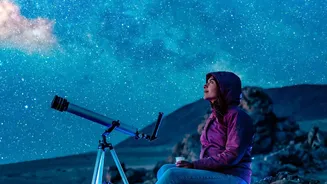
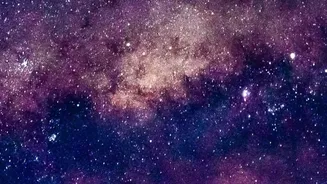
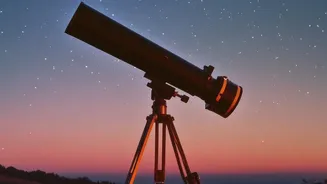
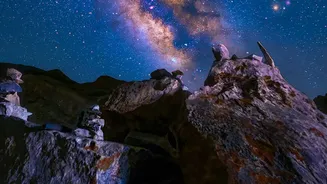
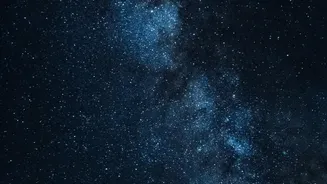
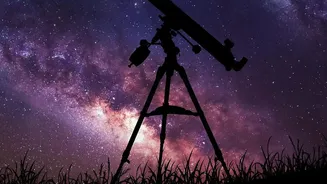
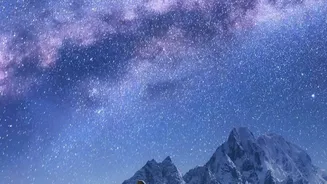
When the sun sets, the show is far from over. The same dry, clean air that provides stunning mountain views also creates perfect conditions for stargazing. Low humidity and the absence of haze mean less atmospheric disturbance, allowing starlight to travel to your eyes with minimal distortion. At high-altitude locations in the Himalayas, the sky transforms into a celestial map. The Milky Way, our home galaxy, can stretch from horizon to horizon, its dusty lanes and star-filled core visible to the naked eye. Constellations like the magnificent Orion the Hunter become prominent fixtures of the late evening sky. This period offers some of the best stargazing opportunities of the entire year across the country.
Top Spots for November Skywatching
While many parts of the Himalayas offer great views, some locations are particularly renowned for their November skies. In Ladakh, places like Hanle, India's first official Dark Sky Reserve, provide world-class stargazing due to extreme altitude and near-zero light pollution. Spiti Valley in Himachal Pradesh is another stargazer's paradise, with villages like Kaza and Tabo offering pristine night skies. For more accessible options, consider Chopta or Ranikhet in Uttarakhand, which provide a fantastic blend of mountain scenery and dark skies away from city lights. Even the act of staying at a remote campsite during a Himalayan trek in November can yield unforgettable views of the cosmos.
Celestial Events to Watch For
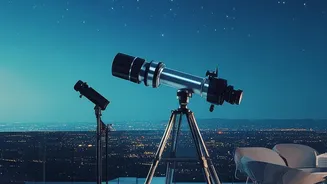
November's night sky often comes with its own special events. The Taurid meteor shower, known for producing bright 'fireball' meteors, is active throughout the month. While not a dramatic downpour of shooting stars—peaking at around five to ten meteors per hour—the Taurids are known for their slow-moving, exceptionally bright meteors that can light up the sky. The shower radiates from the constellation Taurus, which also houses the beautiful Pleiades star cluster, a shimmering collection of stars often called the 'Seven Sisters'. With a good pair of binoculars or even just the naked eye in a dark location, these celestial sights add an extra layer of wonder to the clear November nights.